

When perimenopause symptoms surface, your first instinct may be to blame your ovaries. However, there’s another powerful player in this hormonal shift. Your gut works quietly behind the scenes as a regulator through your microbiome, the community of bacteria living in your digestive tract. During perimenopause, this becomes more important than ever because it dictates how your body manages the estrogen you still have.
Meet Your Estrobolome
The estrobolome is a specialized group of gut bacteria with one focused job — managing and recycling estrogen in your body. Think of it as a cleanup crew that decides whether the used hormone is eliminated or returned to circulation. When you enter menopause, this cleanup crew experiences significant disruption. That matters because perimenopause symptoms can be worsened by both too high and too low estrogen levels. It’s all about balance.
Your liver packages up used estrogen and sends it to your gut for elimination. Estrobolome acts as a gatekeeper, either allowing it to leave through your stool or unpackaging it and sending it back into your bloodstream to be used again. This recycling process directly influences how much active estrogen circulates through your system at any given time.
Research shows postmenopausal women experience a decline in gut microbiome diversity and a specific decrease in microbial β-glucuronidase, the enzyme this cleanup crew uses to process hormones. When your estrobolome falters, your body loses its ability to fine-tune estrogen levels through the digestive system. That’s why your gut health is so critically important during this transition phase.
What Does a Low Estrogen Belly Look Like?
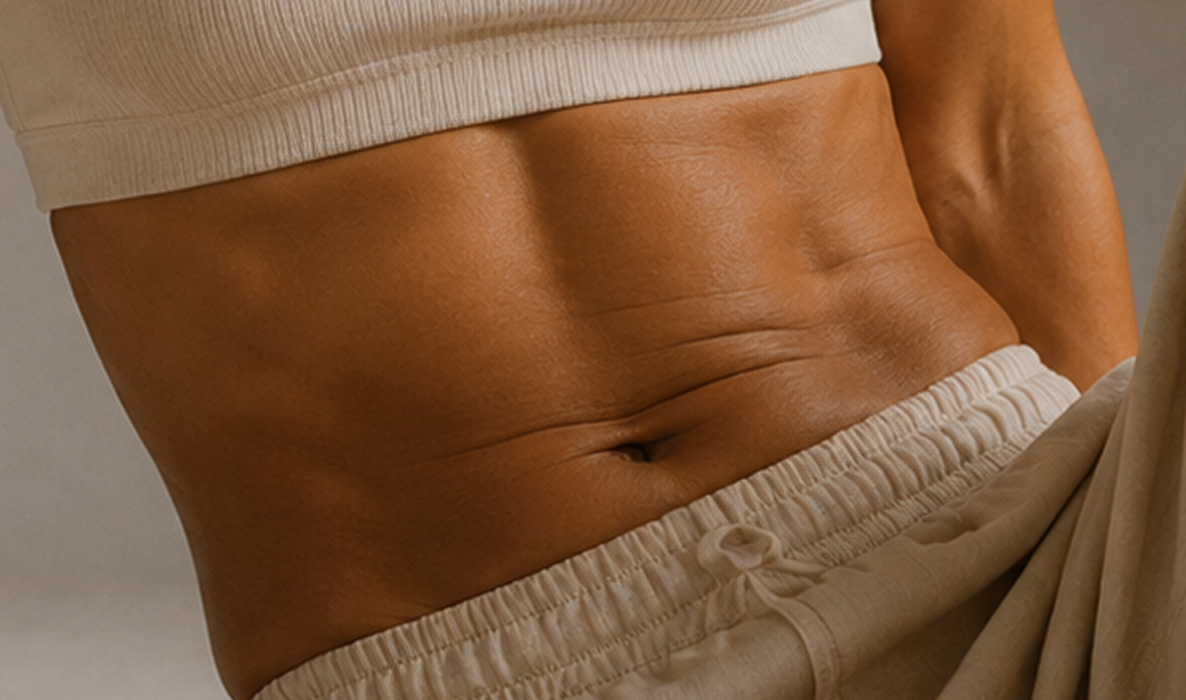
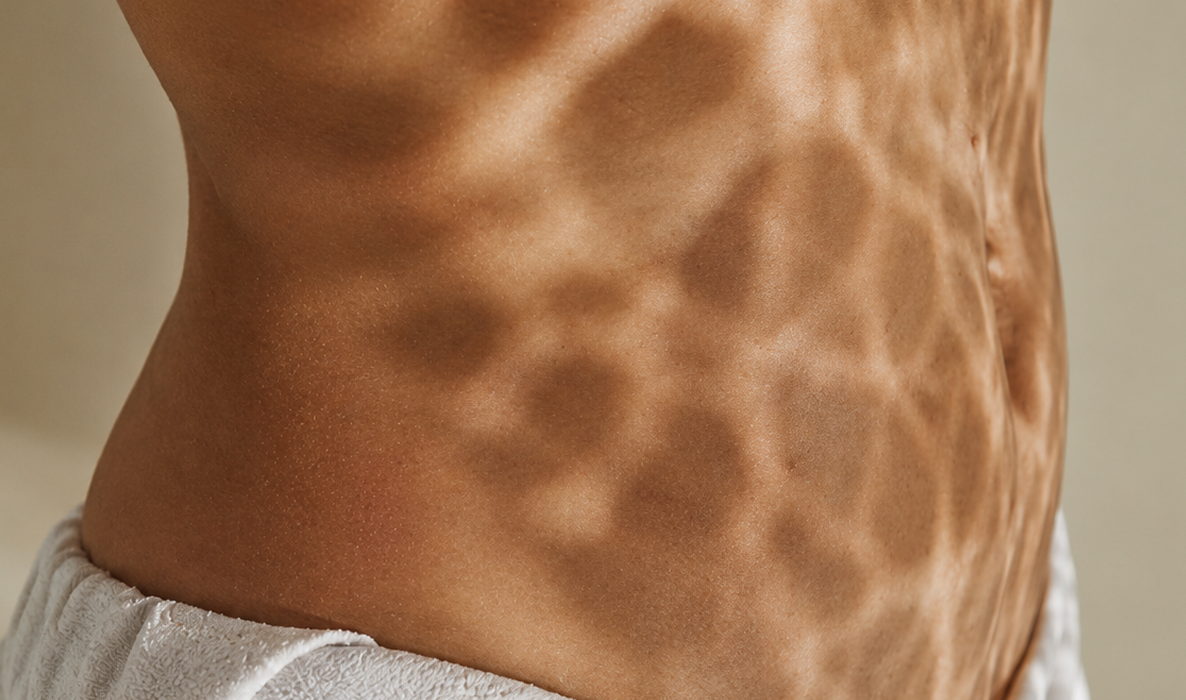
You’ve probably heard that your belly shape can show whether you have low estrogen levels. It’s a little more complicated than that, because weight distribution varies from person to person. That said, many women notice changes in their midsection during perimenopause that go beyond a slowed metabolism.
The shift happens partly in your gut microbiome. As estrogen drops, the ratio of certain gut bacteria changes in ways that affect metabolism. This specific bacterial shift is linked to low-grade inflammation, which may be what causes your body to extract more calories from food, often storing them around the midsection.
Visual guesswork isn’t an accurate way to assess what’s happening inside your body. Symptoms don’t tell the whole story, and gut-related hormonal markers can shift long before noticeable changes appear.
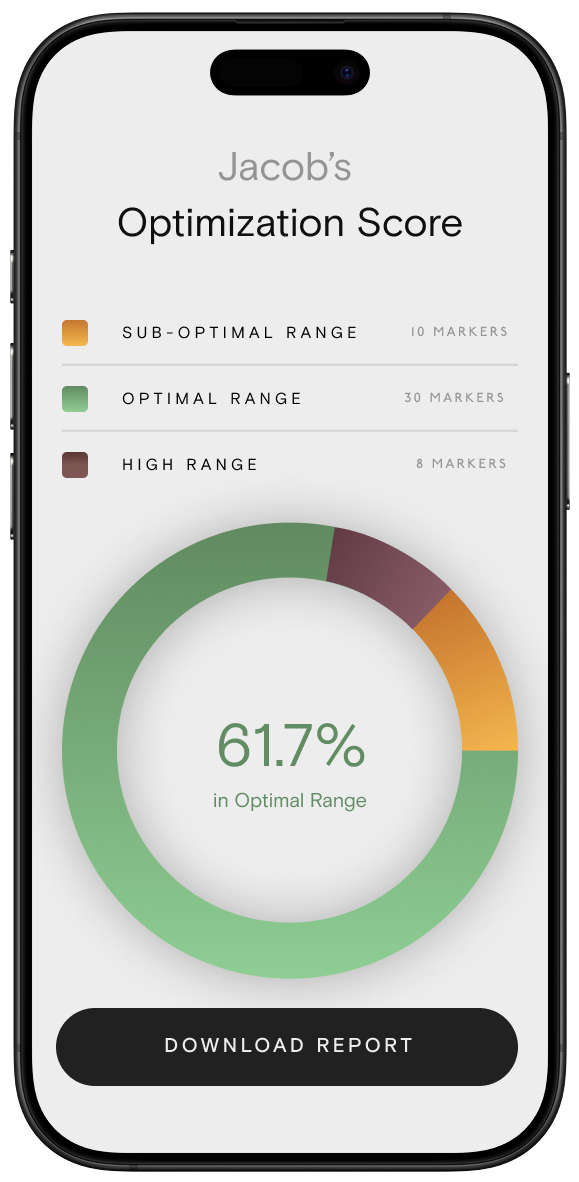
A gut health lab can offer better clarity on what’s going on, but standard tests don’t always explain how you can use the results you get, leaving you with no clear path forward. For a deeper analysis, Joi + Blokes’ advanced gut health test provides personalized insights connecting your symptoms to your microbiome, so you can build a targeted nutrition and lifestyle plan.
If you already have lab results but you’re unsure about the next steps, the Beyond the Labs service is designed for you. You can upload your results and review them with a board-certified clinician over Zoom. You’ll get face-to-face advice on what matters, what doesn’t and what to ask at your next appointment.
How to Support Healthy Estrogen Metabolism
If your gut is sluggish, constipated or lacking beneficial bacteria, hormones get trapped and improperly recirculated. This worsens perimenopause symptoms like mood swings and breast tenderness. To help clear estrogen from the gut, there are a number of simple choices you can make.
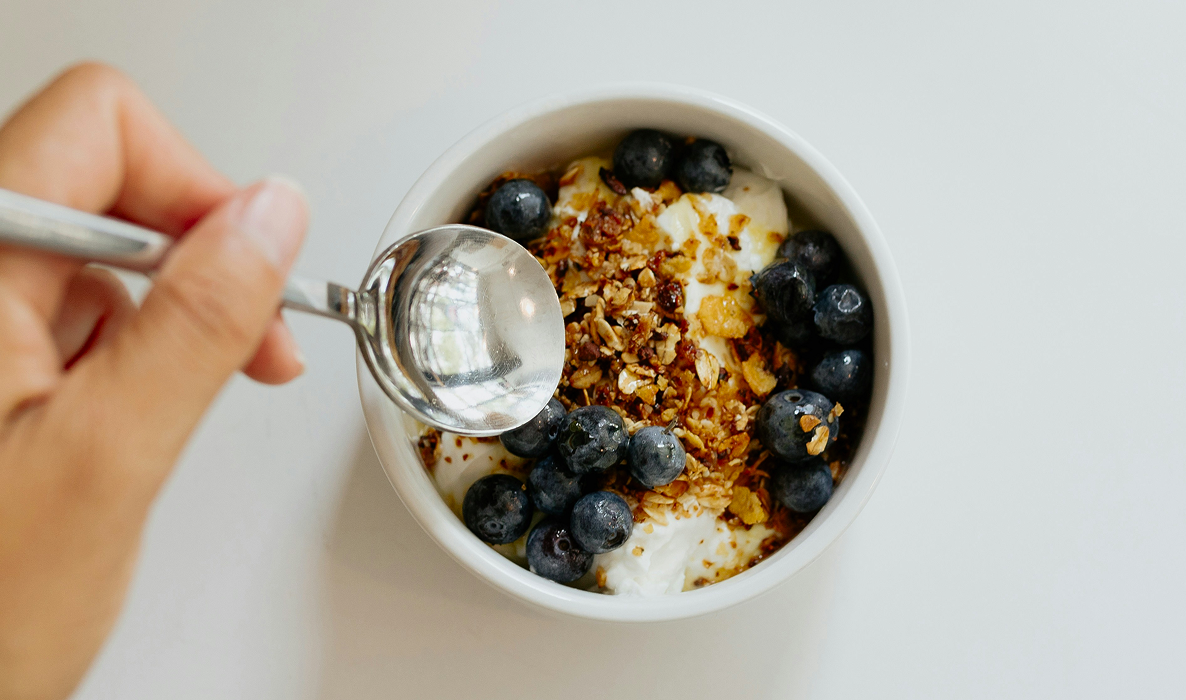
Supporting regular bowel movements through diet can help your body recycle hormones more efficiently. Eating enough fiber from vegetables, whole grains and legumes helps keep your digestion moving. Fermented foods like kimchi, sauerkraut and yogurt can also boost a healthy system.
In some cases, clinicians may recommend targeted supplementation to support gut motility alongside medical treatment. Products like Joi + Blokes’ gut health capsules are designed to complement doctor-guided care, with ingredients that help maintain gut lining integrity.
Foods to Be Mindful of for Gut-Hormone Balance
While nutrition needs vary significantly, avoiding items that disrupt the gut barrier can help your estrobolome regulate estrogen properly. Some foods, such as soy protein and flaxseeds, are rich in natural phytoestrogens and may help ease some perimenopausal symptoms. Be mindful of other options that can tip the balance in the wrong direction.
Five estrogen foods to avoid or limit include:
- Highly processed foods: These may contain phthalates, compounds that can disrupt hormone signals.
- Excess alcohol: Alcohol consumption can increase estradiol and may impair the gut microbiome’s ability to metabolize hormones effectively.
- Dairy products: Dairy sources can make up between 60% and 80% of estrogen in the diet, so they may contribute to higher circulating levels.
- Certain meat products: Some meats contain higher levels of estrogen than others. Chicken generally has lower levels.
- Foods high in refined sugar: Excess sugar consumption can feed inflammatory gut bacteria, disrupting the balance your estrobolome needs.
An overall plant-forward diet with limited alcohol and moderate meat and dairy intake is often a supportive option for perimenopausal health.
How HRT Supports Your Gut Microbiome
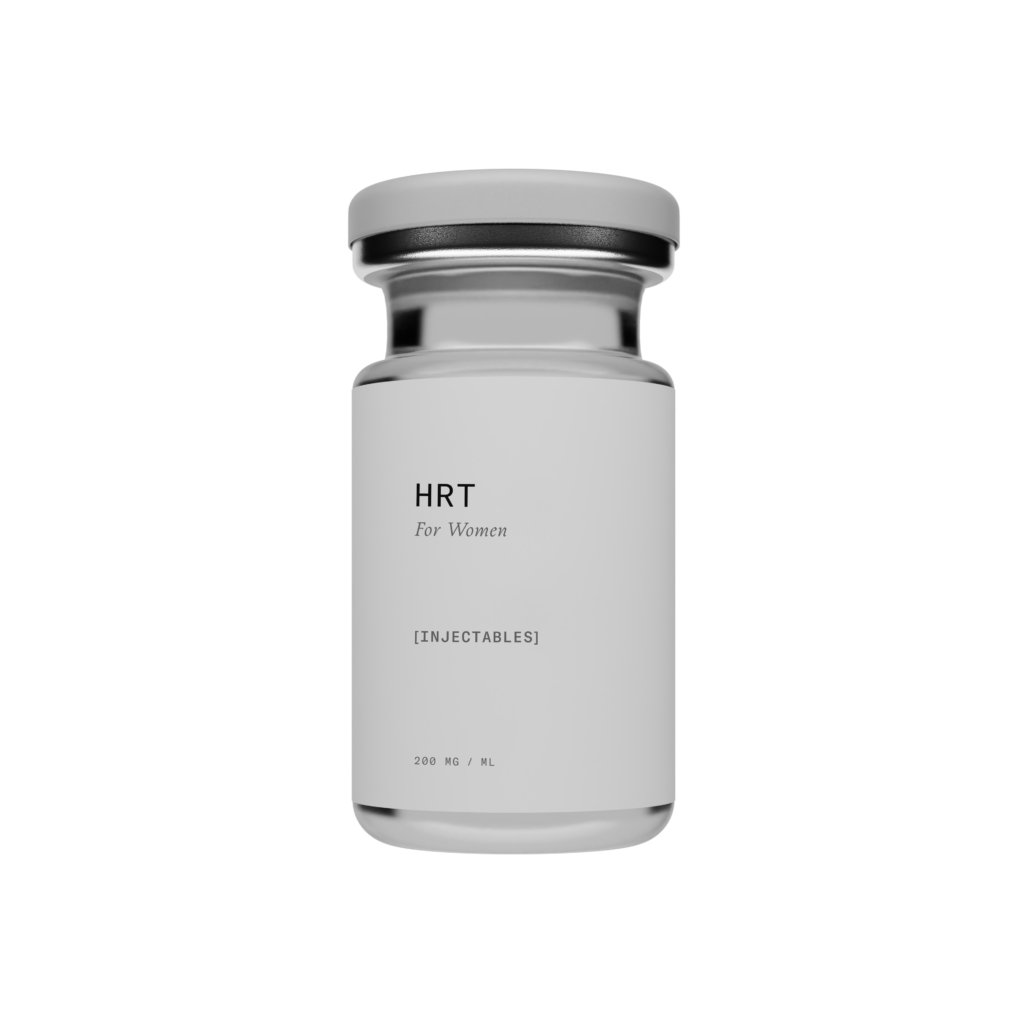
If you are taking HRT or discussing it with your doctor, the good news is that replacing lost hormones can support the gut environment. The introduction of estradiol, a form of estrogen, helps restore balance in your bacterial ecosystem, mitigating some of the disruption caused by the decline of your natural levels.
Choosing bioidentical hormones — modified derivatives of plant extracts — allows for better integration into your endocrine system because they are structurally identical to naturally produced hormones. Joi + Blokes supports this journey with 1-to-1 clinical care and a dedicated health coach, ensuring you have guidance throughout the process.
Simple Lifestyle Shifts to Support Perimenopause
Beyond diet and HRT, other daily habits can make a difference:
- Hydration: Drinking enough water helps keep your gut lining healthy and supports the movement of waste.
- Skincare and external hydration: Estrogen changes during perimenopause, including shifts in how your microbiome processes it, can also affect skin moisture, texture and elasticity. Joi + Blokes’ skin care solutions include an estrogen-based cream specifically formulated to support perimenopausal skin as part of your regular routine.
- Stress management: Chronic stress reduces gut microbial diversity and can trigger inflammation via leaky gut. Techniques like mindfulness or meditation can help break the feedback loop between stress, cortisol and inflammation.
Taking Charge of Your Hormonal Health
Your gut microbiome plays a central role in how your body manages estrogen during perimenopause, influencing everything from belly weight to mood swings. Understanding your estrobolome through lab interpretation and personalized care empowers you to make informed decisions about your perimenopausal health.
Whether you’re just beginning to notice symptoms or actively managing ongoing hormonal changes, knowing how your gut and hormones interact can make conversations with your doctor more productive. If you need help interpreting test results or building a personalized care plan, Joi + Blokes offers clinician-led support to help you move forward with clarity and confidence.