
Summer has a way of inspiring fresh starts.
The longer days, warmer weather, and shift in routine naturally encourage us to spend more time outdoors, become more active, and revisit our health goals. For many, a “summer reset” means eating cleaner or trying to lose a few pounds before vacation.
But what if this season wasn’t about weighing less?
What if it was about becoming stronger?
After the age of 30, adults naturally lose an estimated 3–8% of their muscle mass each decade if no action is taken, a gradual decline that influences everything from metabolism and hormone health to mobility and independence later in life.³
While body weight often dominates conversations around health, one of the strongest predictors of how well you’ll age has little to do with the number on the scale. Increasingly, research points to something far more important: muscle.
At Joi + Blokes, we believe healthy aging isn’t measured solely by lifespan, it’s measured by healthspan: the number of years you remain energetic, independent, resilient, and able to fully enjoy your life. Preserving muscle is one of the most powerful ways to improve both.
Muscle: Your Body’s Longevity Engine
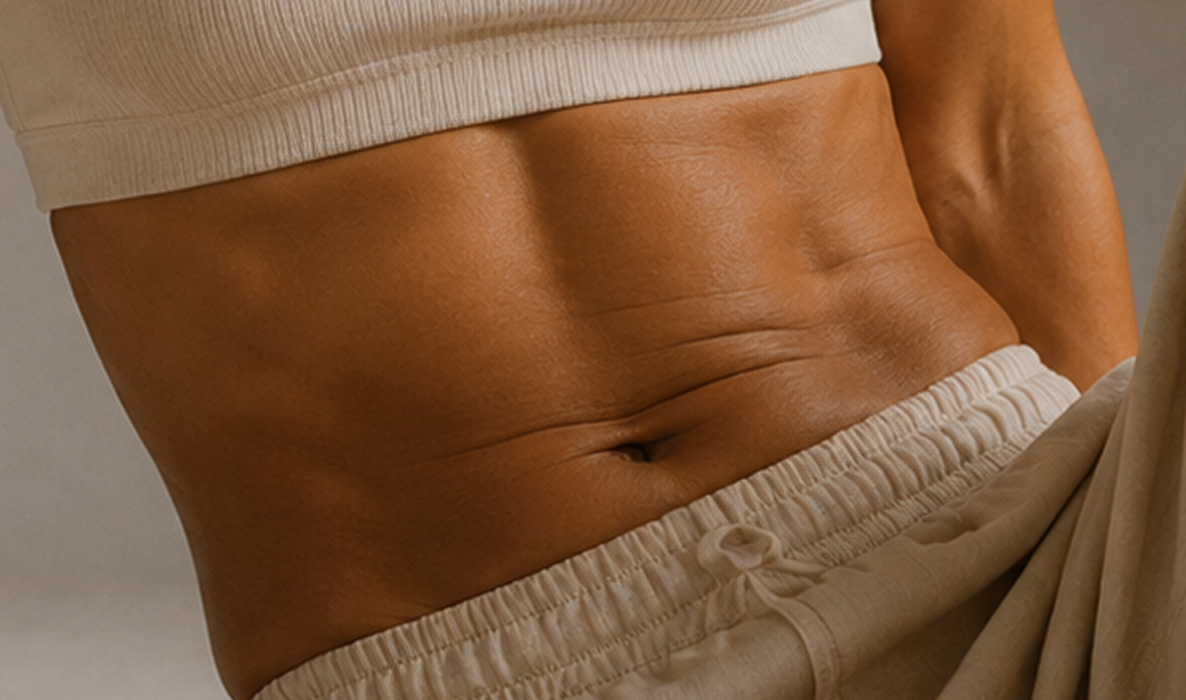
Most people associate muscle with athletic performance or physical appearance. In reality, skeletal muscle is one of the body’s most metabolically active organs.
Beyond helping you move, muscle regulates blood sugar, improves insulin sensitivity, supports healthy hormone function, strengthens bones, stores essential amino acids, and communicates with nearly every major organ system through signaling proteins known as myokines. These molecules influence immune function, cardiovascular health, inflammation, and even cognitive performance.
In other words, muscle isn’t simply something you build in the gym, it’s one of your body’s greatest protectors.
This helps explain why researchers increasingly view muscle strength as one of the best indicators of overall health. In fact, grip strength has become such a reliable marker of biological aging that many clinicians now consider it a practical “vital sign” for longevity. Individuals with greater muscle strength consistently demonstrate lower risks of cardiovascular disease, disability, hospitalization, frailty, and premature death.¹⁻³
The message is remarkably consistent across the literature:
Building muscle isn’t about looking younger. It’s about staying healthier for longer.
The Silent Decline That Begins Earlier Than You Think
Beginning around age 30, adults naturally begin losing muscle mass. Without intentional intervention through resistance training, adequate nutrition, and healthy hormone function, this decline accelerates throughout adulthood. Research estimates adults lose approximately 3–8% of their muscle mass each decade, with losses becoming more pronounced after age 60.³
Unlike wrinkles or gray hair, muscle loss often goes unnoticed. It shows up gradually.
- Your workouts don’t feel quite as productive.
- Recovery takes longer.
- You notice less strength despite exercising regularly.
- Body fat becomes easier to gain and harder to lose.
- Simple activities like carrying luggage, climbing stairs, getting up off the floor, feel more difficult than they once did.
Many people dismiss these changes as “just getting older.” Often, they’re signs that your body needs attention, not acceptance.
Why Hormones Play Such a Critical Role
One of the biggest misconceptions surrounding muscle health is that exercise alone determines your results.
The reality is much more complex.
Hormones like testosterone, estrogen, growth hormone, thyroid hormone, and insulin all influence your body’s ability to build and preserve lean muscle. As these hormones naturally decline, or become imbalanced, muscle protein synthesis slows, recovery becomes less efficient, and maintaining strength becomes significantly more difficult.
At the same time, chronic inflammation, nutrient deficiencies, poor sleep, elevated stress, and metabolic dysfunction quietly work against your efforts, even if your nutrition and training remain consistent.
This is why two people can follow nearly identical workout programs and experience dramatically different outcomes.
The difference often isn’t motivation. It’s biology.
Muscle Protects Against More Than Muscle Loss
Maintaining healthy muscle isn’t simply about preserving strength.
It’s one of the most effective ways to protect against chronic disease.
Higher levels of muscle mass and muscle strength have been associated with improved insulin sensitivity, lower risk of type 2 diabetes, healthier body composition, improved cardiovascular outcomes, stronger bones, reduced frailty, and better cognitive function.¹²
Muscle also serves as your body’s largest reservoir for glucose disposal, making it essential for regulating blood sugar and reducing metabolic disease risk.
As our understanding of longevity evolves, researchers continue to reinforce the same idea: muscle is medicine.
Data Is the Foundation of Personalized Health
One of the most exciting shifts in healthcare is the movement away from reactive medicine toward proactive optimization.
Rather than waiting for symptoms to appear, comprehensive laboratory testing allows us to identify changes in hormone health, metabolic function, inflammation, nutrient status, and cardiovascular risk before they become larger problems.
At Joi + Blokes, we believe personalized healthcare begins with understanding your biology.
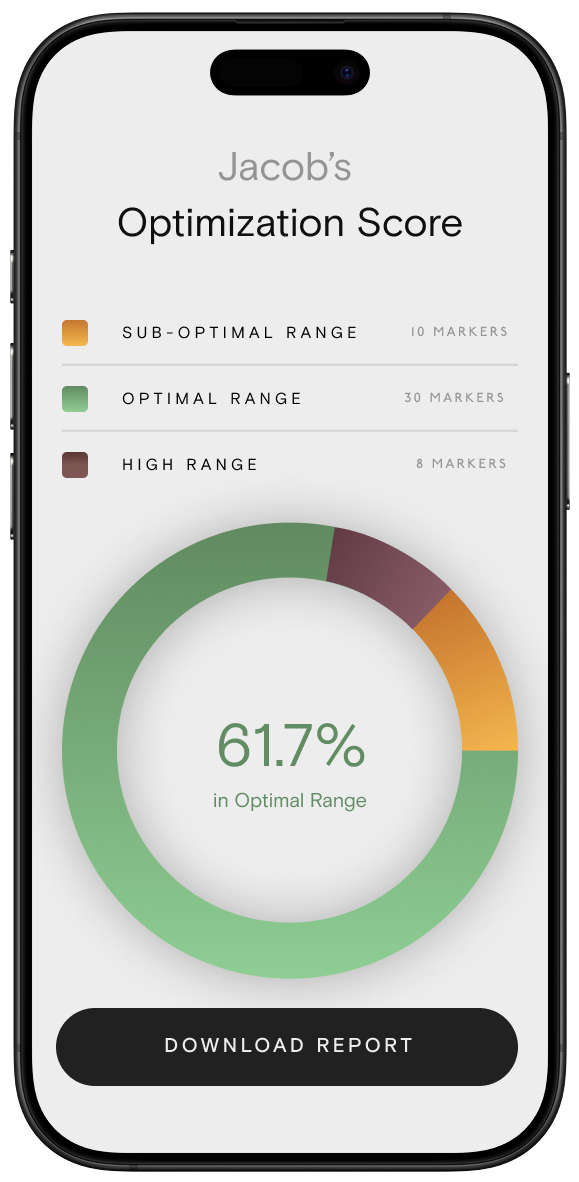
Our Comprehensive Lab Testing goes beyond routine blood work to evaluate the biomarkers that influence muscle health, metabolism, hormone balance, and healthy aging. Those insights allow our clinical team to develop personalized recommendations based on your physiology, not population averages.
Because no two people age the same way.
A Better Goal Than Weight Loss
Summer often brings pressure to achieve a certain physique. But healthy aging isn’t defined by the number on the scale. It’s measured by your ability to keep doing the things you love.
Can you hike with your family? Play with your kids? Recover quickly after exercise? Travel confidently? Maintain your independence for decades to come?
Muscle supports every one of those goals.
Every strength-training session, every protein-rich meal, every night of restorative sleep is an investment in the future version of yourself.
Your Summer Reset Starts Here
This summer, instead of asking,
“How can I lose weight?”
Consider asking a different question:
“How can I build a body that will serve me for the next 30 years?”
If you’ve noticed declining energy, slower recovery, changes in body composition, or difficulty building muscle, the first step isn’t guessing—it’s understanding what’s happening beneath the surface.
At Joi + Blokes, our Comprehensive Lab Testing evaluates the biomarkers that influence muscle health, metabolism, hormone balance, inflammation, and longevity. Using those insights, our clinicians create personalized care plans designed to help you build strength, optimize performance, and support healthy aging for years to come.
Because longevity isn’t simply about living longer. It’s about staying strong enough to enjoy the life you’re working so hard to build.
Ready to understand your health from the inside out? Explore our Comprehensive Lab Testing and take the first step toward your strongest future.
References
- Celis-Morales CA, Welsh P, Lyall DM, et al. Associations of grip strength with cardiovascular, respiratory, and cancer outcomes and all-cause mortality: prospective cohort study of half a million UK Biobank participants. BMJ. 2018;361. https://www.bmj.com/content/361/bmj.k1651
- Bohannon RW. Grip Strength: An Indispensable Biomarker for Older Adults. Clinical Interventions in Aging. 2019;14:1681–1691. https://pmc.ncbi.nlm.nih.gov/articles/PMC6778477/
- Park S, et al. Hand Grip Strength as a Proposed New Vital Sign of Health: A Narrative Review. Sports Medicine – Open. 2024. https://link.springer.com/article/10.1186/s41043-024-00500-y