

For decades, hormone replacement therapy (HRT) has been one of the most misunderstood topics in women’s health.
For years, many women entered menopause believing there was little they could do beyond “getting through it.” Hot flashes, disrupted sleep, brain fog, mood changes, weight gain, and declining libido were often framed as an inevitable part of aging rather than symptoms worthy of medical attention.
Much of that perception can be traced back to the publication of the Women’s Health Initiative (WHI) in 2002. The study’s early findings sparked widespread concern about hormone therapy, leading millions of women to discontinue treatment, or never consider it at all.¹
More than twenty years later, the conversation has changed.
Subsequent analyses of the WHI, along with decades of additional research, have fundamentally reshaped how clinicians think about menopausal hormone therapy (MHT). Today, organizations including The Menopause Society, the American College of Obstetricians and Gynecologists (ACOG), and the Endocrine Society recognize that for many healthy women, particularly those younger than 60 or within 10 years of menopause onset, the benefits of hormone therapy often outweigh the risks when appropriately prescribed.²⁻⁴
The question is no longer whether estrogen is “good” or “bad.” Instead, the conversation has become far more personalized.
Who benefits from hormone therapy? When should treatment begin? Which formulation is right for me? And how do I know if I’m a candidate?
We’re breaking down what every woman should know about hormone replacement therapy and why today’s approach looks very different than it did twenty years ago.
Menopause Doesn’t Begin Overnight
One of the biggest misconceptions about menopause is that it begins the day your menstrual cycles stop.
In reality, most women spend several years in perimenopause, a hormonal transition marked by fluctuating estrogen and progesterone levels. This phase can begin as early as your late 30s or early 40s and often lasts four to ten years before menopause officially occurs.
For many women, it’s during perimenopause, not menopause itself, that symptoms first begin to appear.
You may notice you’re waking up at 3 a.m. more often. Your workouts don’t feel as productive. Your mood feels less predictable. You gain weight around your midsection despite maintaining the same habits you’ve always had. Maybe your periods become irregular, or maybe they haven’t changed at all.
These changes aren’t random.
They’re often connected by one underlying factor: changing hormone levels.
Clinical Tip: If you’re beginning to notice changes, don’t wait until your periods stop to start paying attention. Keeping a journal of your sleep, mood, cycle changes, energy levels, and symptoms can provide valuable information for both you and your clinician.
Estrogen Is One of the Body’s Most Influential Hormones
Most people think of estrogen as a reproductive hormone.
In reality, estrogen affects nearly every major organ system in the body.
Estrogen receptors are found throughout the brain, cardiovascular system, bones, skeletal muscle, skin, urinary tract, and connective tissue. These receptors help regulate everything from bone remodeling and vascular health to neurotransmitter activity involved in mood, cognition, and sleep.⁵
This helps explain why menopause rarely presents as a single symptom.
As estrogen declines, women commonly experience disrupted sleep, brain fog, mood changes, reduced exercise recovery, joint discomfort, vaginal dryness, decreased libido, and changes in body composition. These aren’t isolated concerns, they’re the physiologic effects of declining estrogen across multiple organ systems.
Understanding estrogen means understanding whole-body health.
Why the Conversation Around HRT Has Changed
Few studies have influenced women’s health more than the Women’s Health Initiative.
Published in 2002, the initial findings linked combined hormone therapy to increased risks of breast cancer, stroke, and cardiovascular disease.¹ Almost overnight, hormone prescriptions declined dramatically, and many clinicians became hesitant to prescribe estrogen altogether.
But the story didn’t end there.
As researchers continued analyzing the data, they recognized several important limitations.
The average participant in the WHI was 63 years old, meaning many women initiated hormone therapy more than a decade after menopause.¹ This differs significantly from current clinical practice, where therapy is generally considered during the menopausal transition or within the first ten years after menopause.
Subsequent analyses introduced what is now known as the “timing hypothesis,” suggesting that when hormone therapy is initiated earlier in healthy women, the benefit-risk profile is substantially different than when therapy begins later in life.⁶
Today, this concept forms the foundation of modern menopause care.
The current consensus among major medical organizations is clear: Hormone therapy is not appropriate for every woman, but for many healthy women experiencing bothersome menopausal symptoms, it remains the most effective treatment available.²⁻⁴
Why More Women Are Choosing Estrogen Patches
One of the biggest advancements in hormone therapy over the past decade isn’t a new medication, it’s a better understanding of how estrogen is delivered.
Not all estrogen therapies behave the same way.
Oral estrogen passes through the liver before entering the bloodstream, influencing clotting factors, inflammatory proteins, and lipid metabolism. Transdermal estrogen, delivered through a skin patch, bypasses this “first-pass” liver metabolism and enters the bloodstream directly.
This difference matters.
Current evidence suggests transdermal estradiol is associated with a lower risk of venous thromboembolism (blood clots) compared with oral estrogen while providing equally effective relief of menopausal symptoms.³⁻⁷
For many women, patches also offer practical advantages. They provide steady hormone delivery, typically require only one or two applications each week, and eliminate the need for a daily pill.
Clinical Pearl: Estrogen patches adhere best to clean, dry skin on the lower abdomen or upper buttocks. Rotating application sites with each new patch can help minimize skin irritation while improving consistent absorption.

Hormone Therapy Is About More Than Hot Flashes
When people think of hormone therapy, they usually think of hot flashes.
And it’s true, menopausal hormone therapy remains the gold standard treatment for vasomotor symptoms, reducing hot flashes by approximately 75–90% in appropriately selected women.²
But many women report improvements that extend well beyond temperature regulation.
- Better sleep.
- Improved concentration.Fewer mood fluctuations.
- More comfortable intimacy.
- Greater exercise recovery.
- Improved quality of life.
Estrogen also plays an important role in preserving bone mineral density and reducing fracture risk, making it one of the few therapies that addresses both symptoms and long-term skeletal health.²
Research continues to explore estrogen’s influence on muscle health, cognition, and cardiovascular function, though these remain active areas of investigation and should be interpreted carefully. Current evidence is encouraging, but treatment decisions should always be individualized.
Hormones Are Only One Piece of the Puzzle
One of the biggest misconceptions in menopause care is that every symptom can be explained by estrogen alone.
The reality is more nuanced.
Poor sleep, thyroid dysfunction, insulin resistance, chronic stress, nutritional deficiencies, iron deficiency, and metabolic changes can all contribute to fatigue, weight gain, brain fog, and low energy.
That’s why comprehensive care should never focus on hormones in isolation. It should focus on the whole person.
Personalized Care Starts With Better Data
Modern menopause care isn’t about treating lab values.
It’s about understanding physiology.
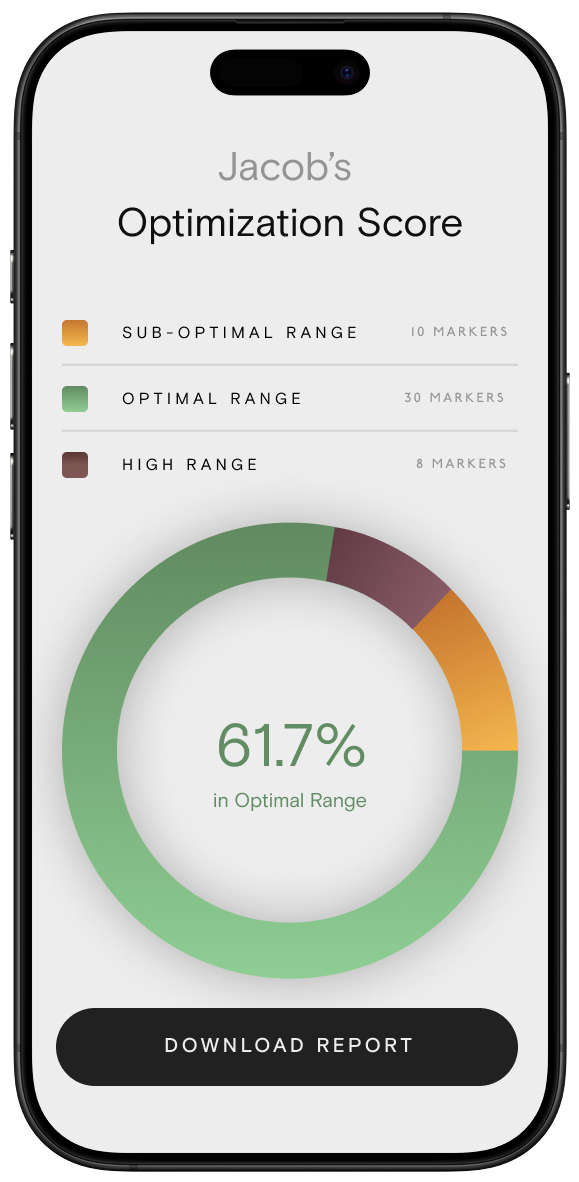
At Joi + Blokes, we begin with a comprehensive evaluation that looks beyond hormone levels alone. Our Comprehensive Lab Testing evaluates hormone health alongside metabolic function, thyroid health, cardiovascular biomarkers, inflammation, and key nutritional markers to better understand what’s driving each patient’s symptoms.
Hormone therapy is never prescribed based on age alone.
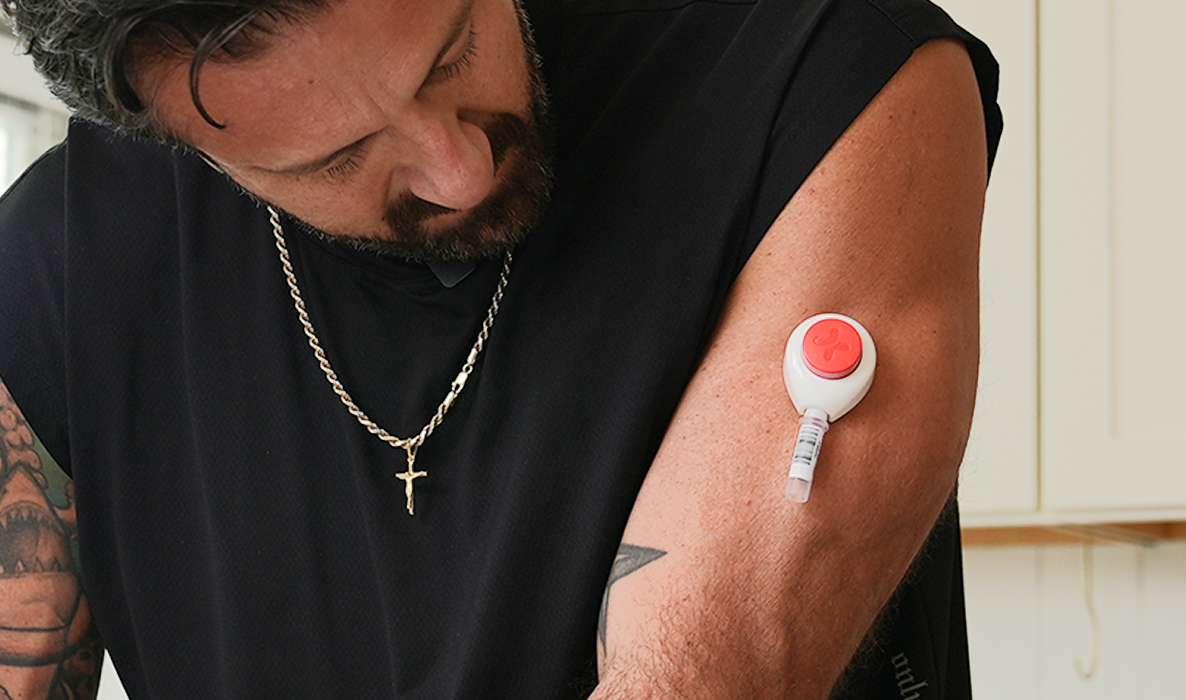
Every treatment plan begins with a conversation. After completing your blood draw, you’ll meet with one of our licensed clinicians to discuss your symptoms, medical history, lifestyle, and long-term health goals. Together, you’ll determine the treatment approach that’s best aligned with your unique biology, whether that includes hormone therapy- like estrogen- targeted supplementation, lifestyle interventions, or a combination of strategies.
The goal isn’t simply to prescribe hormones.
It’s to build a personalized roadmap for healthier aging.
A New Era of Women’s Health
For far too long, women have been told that fatigue, poor sleep, brain fog, weight changes, and declining libido are simply part of getting older.
Today’s evidence supports a more personalized approach to menopause, one that recognizes hormone therapy as an important option for many women while acknowledging that every treatment decision should be guided by clinical evidence, individual risk, and personal goals.
Whether hormone therapy ultimately becomes part of your care plan or not, understanding your physiology is one of the most empowering investments you can make in your long-term health.
This summer, instead of simply pushing through symptoms, consider taking a different approach.
Ask questions.
Understand your body.
Invest in your future health.
At Joi + Blokes, we’ve been at the forefront of expanding access to evidence-based hormone therapy for women. We’re committed to helping women navigate every stage of hormonal health through comprehensive testing, clinician-guided care, and personalized treatment plans built around their unique biology.
Because menopause isn’t the end of feeling like yourself.
With the right information, and the right care, it can be the beginning of your healthiest chapter yet.
Ready to Take Control of Your Hormonal Health?
Whether you’re experiencing the first signs of perimenopause, navigating menopause, or simply want a clearer picture of your hormonal health, we’re here to help.
Schedule your labs today and take the first step toward feeling like yourself again.
References
- Rossouw JE, Anderson GL, Prentice RL, et al. Risks and Benefits of Estrogen Plus Progestin in Healthy Postmenopausal Women. JAMA. 2002;288(3):321-333.
- The Menopause Society. The 2022 Hormone Therapy Position Statement of The Menopause Society. Menopause. 2022.
- American College of Obstetricians and Gynecologists. Hormone Therapy for Menopause. ACOG Practice Bulletin and Patient FAQ.
- Stuenkel CA, Davis SR, Gompel A, et al. Treatment of Symptoms of the Menopause: An Endocrine Society Clinical Practice Guideline. Journal of Clinical Endocrinology & Metabolism.
- Mauvais-Jarvis F, et al. Estrogen and Androgen Receptors: Regulators of Fuel Homeostasis and Emerging Targets for Diabetes and Obesity. Trends in Endocrinology & Metabolism.
- Manson JE, Chlebowski RT, Stefanick ML, et al. Menopausal Hormone Therapy and Health Outcomes During the Intervention and Extended Post-Stopping Phases of the Women’s Health Initiative Trials. JAMA. 2013.
- Canonico M, Scarabin PY, et al. Postmenopausal Hormone Therapy and Cardiovascular Disease: Oral Versus Transdermal Estrogen. Circulation.