

Think of your gut as the control center of your body. It’s not just where food gets brokendown — it’s where hormones are regulated, mood is shaped, nutrients are absorbed, and yourimmune system is trained.
When gut health is off, the ripple effects can show up as brain fog,hormonal imbalances, sluggish digestion, skin issues, and even anxiety or depression.
At Joi+Blokes, we see this pattern constantly. Patients come in with a laundry list ofseemingly unrelated symptoms, and time after time, the common thread leads back to the gut.
Let’s break down why — and what you can do about it.
Your Gut and Your Mood: The Gut-Brain Connection
You’ve probably heard the phrase “gut feeling” — and it turns out there’s real science behindit. Your gut and brain are in constant two-way communication through what’s called the gut-brain axis. This network involves the vagus nerve, your immune system, hormones, and —critically — the metabolites produced by your gut bacteria.
Here’s a fact that surprises most people: approximately 95% of your body’s serotonin isproduced in the gut, not the brain. Serotonin is one of our primary “feel-good”neurotransmitters, and its production is directly influenced by the bacteria living in yourdigestive tract.
Your gut microbes also produce and modulate other key neurotransmitterslike dopamine, GABA, and glutamate.
When the gut microbiome is out of balance — a state called dysbiosis — it can disrupt theseneurotransmitter pathways, ramp up inflammation, and overstimulate the stress response (theHPA axis). Research has linked gut dysbiosis to depression, anxiety, and other mooddisorders.
Supporting a healthy microbiome isn’t just about digestion — it’s a foundationalstrategy for mental and emotional well-being.
Your Gut and Your Hormones: Meet the Estrobolome
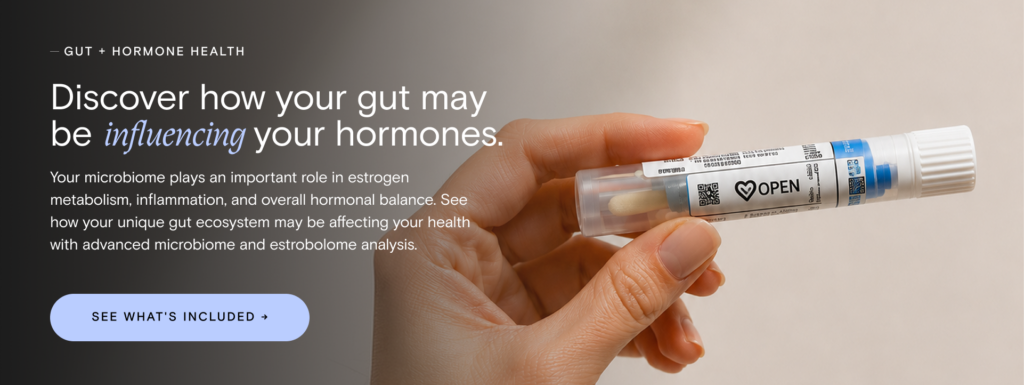
This one is especially important for women. Inside your gut lives a collection of bacteria witha very specific job: metabolizing estrogen. This community of microbes is called theestrobolome.
Here’s how it works: after your liver processes estrogen and sends it to the gut forelimination, certain gut bacteria produce an enzyme called beta-glucuronidase. This enzymecan reactivate estrogen and send it back into circulation.
When the estrobolome is balanced,this process runs smoothly and helps maintain healthy estrogen levels. But when gut bacteriaare out of balance, estrogen can either be recycled too aggressively — leading to estrogendominance — or eliminated too quickly, contributing to low estrogen symptoms.
This has real implications for conditions like PMS, endometriosis, PCOS, and even estrogen-driven cancers.
The gut microbiome also interacts with androgens, insulin, and otherhormones that influence reproductive and metabolic health. If you’re dealing with hormonalsymptoms, looking at gut health is a critical — and often overlooked — piece of the puzzle.
Your Gut and Digestion: More Than Just Breaking Down Food
This might seem obvious, but the role your microbiome plays in digestion goes far beyondwhat most people realize. Digestion is a cooperative effort between your own enzymes andthe trillions of microbes in your gut.
Your body handles the initial breakdown of food, but gutbacteria extend this process — fermenting fibers, producing short-chain fatty acids (SCFAs)like butyrate, modifying bile acids, and transforming plant compounds into bioactivemetabolites.
SCFAs are especially important. They fuel the cells lining your colon, strengthen your gutbarrier, regulate immune responses, and influence metabolism throughout the body.
Whenmicrobial diversity drops — from poor diet, antibiotic use, chronic stress, or other factors —this entire system suffers. The result can be bloating, irregular bowel movements, foodsensitivities, nutrient malabsorption, and chronic low-grade inflammation.
A healthy, diverse microbiome is the foundation of efficient digestion and nutrientabsorption.
Your Gut and Immunity
About 70% of your immune system resides in your gut. The gut barrier — a single layer ofcells — is the gatekeeper between the outside world and your internal environment.
Whenthat barrier is compromised (often called “leaky gut”), bacteria and toxins can cross into thebloodstream, triggering systemic inflammation and immune dysregulation.
A balancedmicrobiome helps maintain the integrity of this barrier, trains immune cells to respondappropriately, and keeps inflammation in check.
So Where Do You Start? Know Your Microbiome.
This is exactly why we’re excited to offer the Gut Health at-home microbiome wellness test atJoi+Blokes. Instead of guessing what’s going on inside your gut, this test gives you a detailedsnapshot of your microbial ecosystem — right from the comfort of your home.
The at-home Gut Health Test uses advanced sequencing technology to analyze thecomposition of your gut microbiome. It can identify which beneficial bacteria are thriving,which may be lacking, and whether there are patterns associated with dysbiosis.
This kind ofpersonalized data takes the guesswork out of gut health and allows us to create targeted,individualized protocols.
Whether you’re dealing with digestive complaints, hormonal imbalances, mood changes, skinissues, or you simply want to optimize your wellness from the inside out — understandingyour microbiome is a powerful first step.

Supporting Your Gut Daily
In addition to testing, what you do every single day matters. Your microbiome is a livingecosystem — it responds to what you feed it, how you manage stress, how well you sleep,and what you put into (and keep out of) your body.
Here are the daily habits that make the biggest difference:
- Eat the rainbow — and eat the fiber. Aim for 30+ different plant foods per week.Diversity in your diet drives diversity in your microbiome. Think vegetables, fruits,legumes, nuts, seeds, whole grains, herbs, and spices. Prebiotic-rich foods like garlic,onions, leeks, asparagus, bananas, and oats specifically feed beneficial bacteria andsupport short-chain fatty acid production.
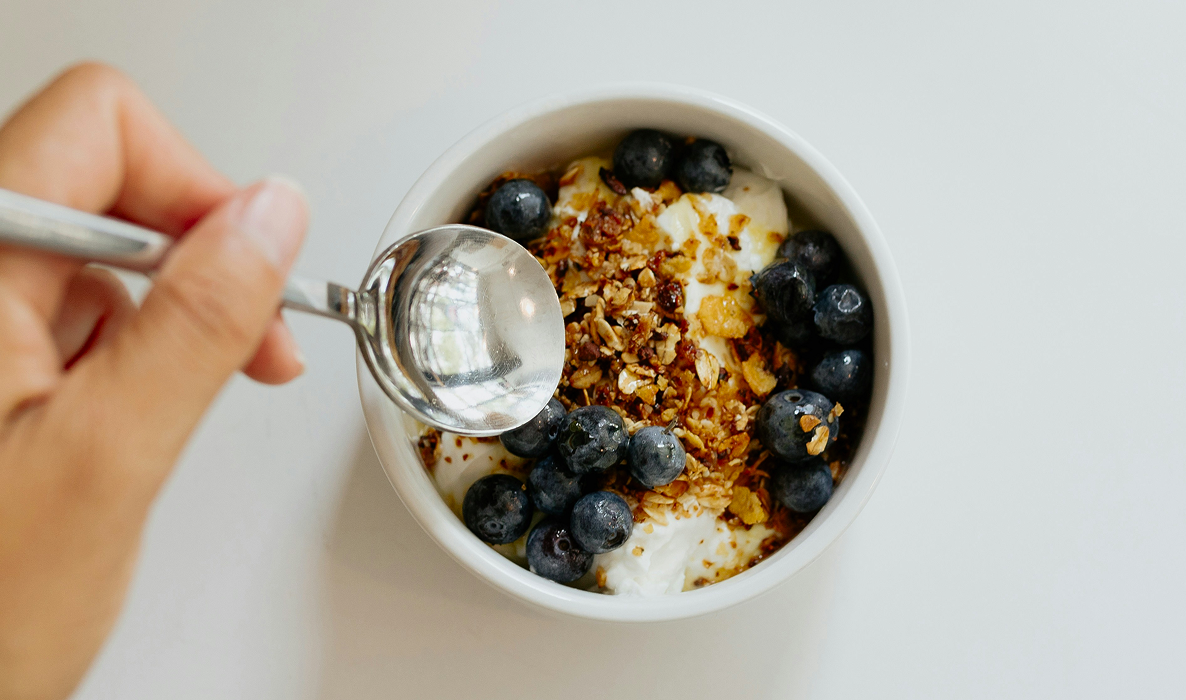
- Incorporate fermented foods. Yogurt, kefir, sauerkraut, kimchi, miso, andkombucha introduce live beneficial microbes into your gut. Even small, consistentamounts can support microbial diversity over time.
- Manage stress — your gut feels it. Chronic stress directly disrupts the gut-brain axis,alters microbial composition, and weakens the gut barrier. Prioritize whatever groundsyou: breathwork, movement, time outdoors, journaling, or simply slowing down atmeals.
- Prioritize sleep. Your microbiome follows circadian rhythms just like you do. Pooror inconsistent sleep has been shown to reduce microbial diversity and promoteinflammation. Aim for 7–9 hours of quality rest.
- Supplement with purpose. That’s why we carry our gut health supplement atJoi+Blokes — to give your microbiome targeted, daily support. A well-formulated guthealth supplement can help promote microbial diversity, strengthen the gut lining,ease digestive discomfort, and create the internal environment where beneficialbacteria thrive. It’s not a replacement for the habits above — it’s the complement thatties them all together.
The bottom line: your microbiome rewards consistency. Small, daily choices compound intobig shifts in how you feel — in your digestion, your energy, your mood, and your hormones.
The Bottom Line
Your gut is so much more than a digestive organ. It’s a hormone regulator, a neurotransmitterfactory, an immune command center, and a metabolic powerhouse. When gut health isoptimized, the benefits extend to virtually every system in the body.
If you’re ready to stop guessing and start understanding what’s happening inside your gut, theTiny Health microbiome test is a great place to begin. Pair it with our gut health supplementand a personalized plan, and you’re setting the foundation for real, lasting wellness.
Here’s to trusting your gut — literally.
READY TO TAKE THE NEXT STEP?
Get Answers About Your Gut—From Home
Collect your sample in minutes using our simple toilet paper collection method, send it to our CLIA-certified lab, and receive a comprehensive report in as little as 2–3 weeks. Then review your results with a dedicated health coach to create a personalized plan for your health goals.