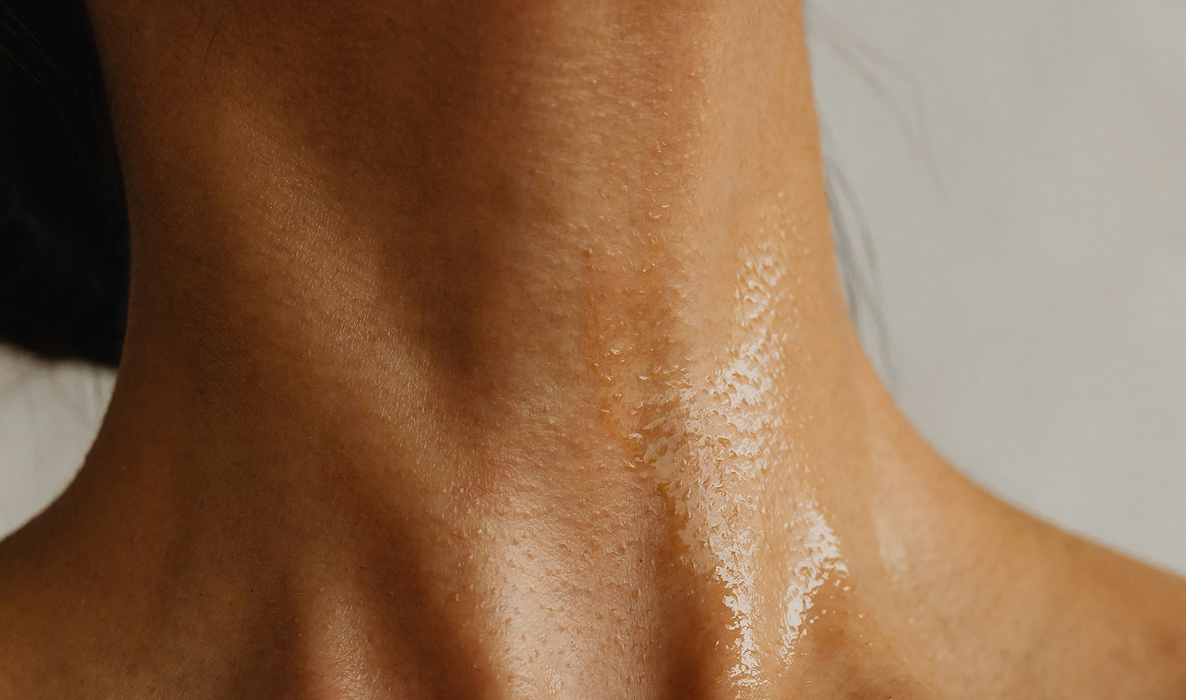
People sometimes discover small growths around their neck when fastening a necklace or buttoning a Thyroid nodules are lumps that form around your thyroid gland. They can be solid or filled with fluid and often appear around the neck. Many people develop benign nodules that don’t cause symptoms, but some growths can indicate issues with hormone production or the development of cancer. Getting a proper evaluation is crucial. Knowing how to talk to your doctor about thyroid problems can provide clarity about nodules and help determine your next steps.
1. Document Your Symptoms
When you sit down with your doctor, you’ll need to discuss any symptoms you may have felt recently. Thyroid nodules cause numerous issues that become more noticeable as they grow, such as:
- A lump in your neck
- Pressure around the swollen area
- Difficulty swallowing
- Hoarseness
- Rapid weight loss or gain
Thyroid nodules can become swollen if you have hyperthyroidism or hypothyroidism. Hyperthyroid nodules send your hormone production into overdrive. Hypothyroid growths result from slowed hormone production.
Thyroid nodules can also indicate undiagnosed cancer. However, most are benign. If you feel a lump in your neck, it doesn’t guarantee that you have cancer. Your doctor can determine the root cause, along with advanced lab testing from reputable providers like Joi+Blokes. Keeping a symptom log allows you to compare your notes with your lab results to better understand your health.

2. Bring a List of Questions
Prepare a list of questions for your upcoming conversation. Consider what is on your mind and what might bring you clarity.
Does Diet Contribute to Thyroid Problems?
Your body needs certain things from your diet to support its basic functions. Nutrients like iodine help the thyroid produce hormones and only come from whole food sources. Your body can’t make its own iodine. If you don’t eat well-balanced meals, you may not get the nourishment your thyroid and other organs need to thrive.
If you have undiagnosed hyperthyroidism, some diets may also cause flare-ups that result in swelling. Plant-based meals could also lack essential nutrients like iron and selenium, depending on your individual lab results and overall nutritional intake. Getting clinician-guided recommendations from your doctor and lab services like those available with Joi+Blokes will give you personalized guidance.
What Increases Your Risk of Nodules?
People experience thyroid nodules at all ages, but you may be more at risk depending on your lifestyle or family history. Activities like smoking decrease iodine delivery to your thyroid, preventing it from producing hormones effectively. You might also have thyroid conditions in your family, which makes you more likely to develop them as well.
How Can You Evaluate Thyroid Nodule Swelling?
Your primary care provider will choose from numerous evaluation tools. They may start with a palpation exam to locate the nodules and identify their size. They could also order a standard thyroid panel to read the hormone levels present in your blood accurately.
Some patients prefer deeper lab analysis. If you get test results back with further explanation in easy-to-read wording, you may understand your body better. A more comprehensive analysis can look for additional markers not included in standard panels.
Ultrasound imaging is also helpful. Your doctor will get pictures of your thyroid gland to see if it’s full of fluid or solid, which may indicate cancer in some cases. If they assume cancer is present, you may need a fine-needle biopsy or radioactive iodine scan.
Are Thyroid Nodules Common? Thyroid nodules are more common than many people realize. They occur in up to 50% of people, especially older individuals. Nodules also have a 5%-8% risk of being cancerous. If your family has a history of thyroid conditions, they may also be more common based on your genetic medical history.
How Do You Treat Thyroid Nodules?
Doctors can treat thyroid nodules in numerous ways. If your growths aren’t cancerous, your physician may advise that you watch and wait. The nodules might shrink on their own. In the meantime, you could change your diet and lifestyle to get more helpful nutrients that regulate hormone production.
Radioactive iodine may also be a preferred treatment to shrink your nodules if they’re hyperfunctioning. Some doctors prefer surgery to remove nodules, especially if they’re cancerous. Your specific cancer treatment will depend on the severity of your condition and what your doctor recommends, given any preexisting health concerns.
3. Make an Actionable Care Plan
Once you know how to talk to your doctor about thyroid nodules, you can work together to make a care plan that’s best for your body. Listen to the recommendations regarding medical treatments or watch-and-wait recommendations. You can also discuss other ways to make your thyroid swelling go away.
Dietary changes could help if you have hypothyroidism. Getting more nutrients like iodine through healthy, whole foods may ease your symptoms. Clinicians may also recommend supplements to support hormone activity alongside medical treatment.
Joi+Blokes helps people with numerous solutions, like Thyroid Support capsules. The Care capsules line may also reduce brain fog and anxiety that can come with thyroid dysfunction.
People also appreciate the Beyond the Labs service from Joi+Blokes. If you get test results from your doctor and feel confused or dismissed, Beyond the Labs provides deeper analysis. Board-certified clinicians will walk you through both your doctor’s labs and any additional test results to explain what matters most for your health. You’ll get personalized coaching and gain confidence when asking questions at your next doctor’s appointment.
You might need additional help creating a care plan. Beyond the Labs participants get AI-free explanations so their test results are easy to understand. Clinicians will empower you to craft a care plan tailored to your preferences, ensuring your next steps aren’t left to AI.
Confidently Talk to Your Doctor About Thyroid
Understanding how to talk with your doctor about thyroid concerns is important. Learning how to read your lab results is even more essential. If you need help interpreting your results or creating an ongoing care plan, Joi+Blokes has a clinician-led team that’s ready to help you get clarity. The extra information could make your doctor’s recommendations even more effective because you’ll understand what’s happening with your body.