

Five years isn’t a very long time. But in healthcare, five years can completely change the way we think about our bodies.
I’ve had the unique privilege of being part of Joi + Blokes since the early days, joining as a health coach shortly after we launched in 2021. Looking back, the conversations we were having then were very different from the ones we’re having today.
The people finding us weren’t searching for longevity. They were looking for answers. They knew something had changed. Maybe they were exhausted despite sleeping through the night. They couldn’t recover from workouts the way they used to. They were gaining weight despite doing everything “right.” They felt anxious for reasons they couldn’t explain, struggled with brain fog, had lost their libido, or simply didn’t feel like themselves anymore.
And yet, after every standard doctors appointment, they heard the same responses.
“Your labs look normal.”
“You’re just getting older.”
“It’s probably stress.”
“Everything looks fine.”
The hardest part wasn’t living with the symptoms. It was beginning to wonder if they were imagining them.
When you’re told enough times that everything is “normal,” it’s easy to stop trusting your own body. You start questioning yourself instead of asking more questions. Maybe everyone feels this tired. Maybe this is just what happens as you get older. Maybe you’re expecting too much.
Looking back, there is a collective understanding that, that wasn’t what people needed.
They didn’t need someone to tell them everything was fine.
They needed someone willing to look deeper.
That belief is what Blokes was built on.
CEO, Josh Whalen started Blokes after navigating his own health struggles and seeing firsthand how many men were being told to simply accept feeling “off.” Low energy, poor recovery, declining performance, changes in mood or libido. Too often, those concerns were dismissed as stress or aging instead of investigated further. The mission wasn’t simply to prescribe treatment. It was to understand why someone no longer felt like themselves.
Then something unexpected happened.
Women started calling.
They weren’t asking for the exact same care men were receiving. They were asking for the same curiosity. They wanted someone to take their symptoms seriously.
Their stories sounded different, but the frustration was remarkably familiar.
They had been told they were “too young” for hormones. That their labs were “normal.” That they should reduce stress, sleep more, or simply accept that this was part of getting older.
One of those women was Josh’s wife Katy Whalen.
Like so many others, she knew something didn’t feel right, but struggled to find answers. When she finally went through Blokes, she experienced something many women hadn’t: comprehensive testing, thoughtful conversations, and a care team focused on understanding why she felt the way she did, not just whether her lab results fell within a reference range.
Getting answers changed everything.
It also raised an obvious question:
If this kind of care existed for men, why didn’t it exist for women?
That question became the foundation for Joi.
It became clear that the same gap we were trying to solve for men existed for women, too.
That’s how Joi was born because women deserved the same opportunity to understand what was happening inside their bodies instead of being told everything looked fine.
When I started as a health coach, I had a front-row seat to those conversations every single day.
One thing I noticed almost immediately was that people weren’t coming to us asking for hormones. They were asking for someone to believe them.
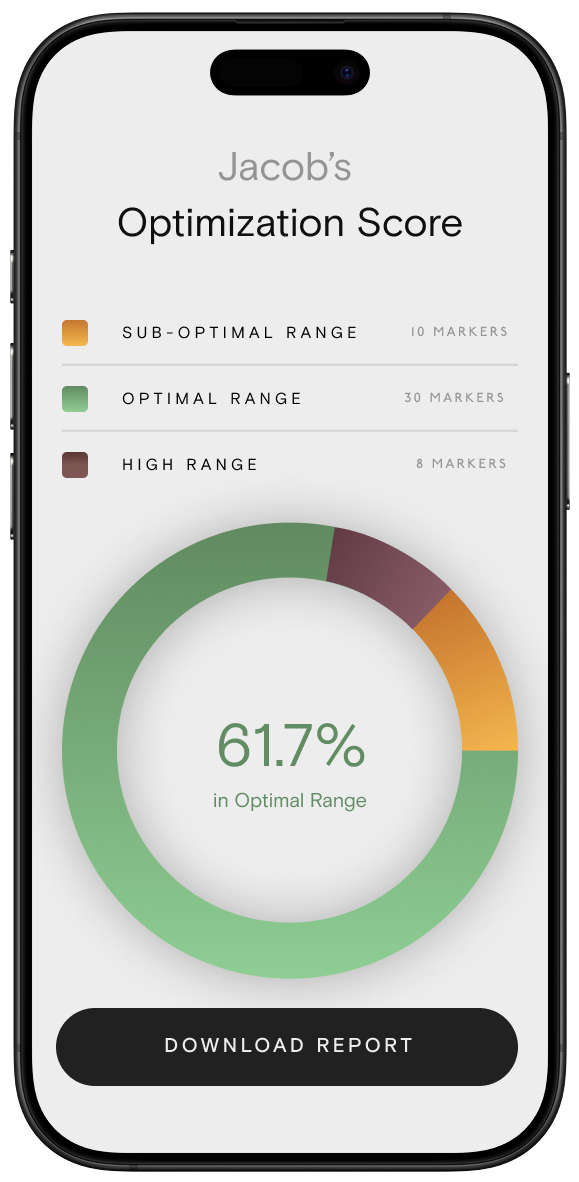
That’s why comprehensive lab testing became one of the first conversations we had with nearly every patient. Not because more testing is always better, but because symptoms deserve context. Fatigue, brain fog, weight changes, poor recovery, low libido, or declining energy rarely have a single cause. Hormones influence metabolism. Sleep affects recovery. Stress impacts inflammation. Nutrition shapes energy. Every system influences another, and understanding those connections often reveals answers that a routine annual physical can’t.
Five years later, what’s most remarkable isn’t how much our philosophy has changed.
It’s how much healthcare has.
The conversations I have today are completely different from the ones I had when I first started.
Back then, most people simply wanted validation that what they were feeling was real.
Today, they come prepared. They’ve listened to podcasts on menopause and metabolic health. They’ve read about inflammation, insulin resistance, cortisol, ApoB, muscle mass, gut health, and cardiovascular risk. They’re tracking sleep with wearables, strength training to protect their future health, and asking thoughtful questions about what their lab results actually mean instead of simply whether they’re “normal.”
That shift says something much bigger than people having access to more information.
It reflects a fundamental change in how we think about healthcare.
For generations, healthcare has largely been reactive. We waited until disease appeared before intervening. We treated symptoms once they became severe enough to diagnose.
Today, more people are asking a different question.
“How do I stay healthy before something goes wrong?”
Over the last five years, I’ve watched preventative healthcare move from the margins into the mainstream.
People no longer define health as simply not being sick. They define it by how they feel.
Do they have the energy to play with their kids after work? Can they recover from a workout? Are they mentally sharp? Are they sleeping well? Do they feel confident in their bodies? Can they show up for the people they love?
That’s what healthspan really means. Not adding years to your life. Adding life to your years.
As I reflect on the last five years, I’m incredibly proud of what Joi + Blokes has become. But what inspires me even more is watching patients become advocates for their own health.
They’re asking better questions. They’re expecting personalized care instead of one-size-fits-all answers.
They’re no longer accepting that feeling exhausted, dismissed, or unlike themselves is simply the cost of getting older.
Five years ago, many people came to us wondering if they were imagining their symptoms.
Today, more people know they deserve answers. If there’s one thing these last five years have reinforced, it’s this:
Feeling “normal” isn’t the goal.
Feeling like yourself is.
If you’ve been told your labs are “normal” but you still don’t feel like yourself, don’t ignore what your body is trying to tell you.
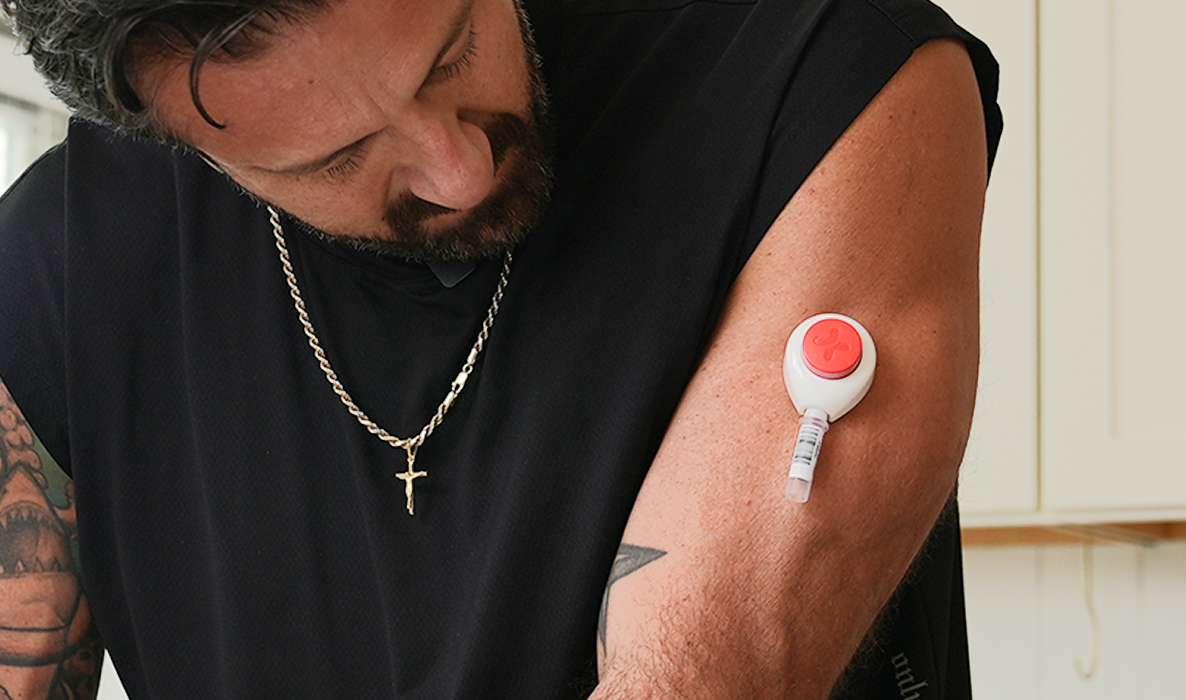
Our comprehensive hormone and longevity lab panels are designed to go beyond routine testing and provide a clearer picture of what’s happening beneath the surface, so you and your provider can make informed decisions about your health.
Explore our comprehensive lab panels and take the first step toward understanding your health.