

How This Multifaceted Supplement Supports Strength, Brain Health, and Quality of Life
Perimenopause brings a host of changes, from shifting hormones to changes in energy, mood, muscle, and metabolism. If you’ve heard about creatine in the context of muscle building or athletic performance, you might be surprised to learn that it’s rapidly becoming a recommended supplement for women navigating perimenopause.
What Is Creatine?
Creatine is a naturally occurring compound made of three amino acids. Your body produces it in small amounts in organs like your liver, kidneys, and pancreas. It’s stored mainly in muscles, where it helps regenerate ATP, your cells’ primary source of quick energy during short, intense activity.
Beyond muscles, creatine is also used by the brain and other organs, which is why researchers are investigating its broader health effects.
Why Creatine Is Especially Relevant During Perimenopause
The MDPI review published in Nutrients highlights that menopause-related hormonal shifts accelerate muscle loss (sarcopenia) and bone mineral density decline, increasing long-term risk for frailty, fractures, and metabolic dysfunction. (1)
Creatine may help counteract several of these changes.
1. Supporting Muscle Mass and Strength
One of the most consistent findings in creatine research is its ability to support lean muscle mass and strength, particularly when combined with resistance training.
According to the MDPI review:
- Estrogen decline contributes to reduced muscle protein synthesis and muscle strength in midlife women.
- Creatine supplementation enhances phosphocreatine availability in muscle, improving training capacity and muscular adaptations.
- Postmenopausal women supplementing with creatine alongside resistance training showed greater gains in strength and lean mass compared to training alone.
For perimenopausal women, when muscle loss often begins subtly, creatine may help preserve strength, support metabolic health, and improve functional performance.
2. Bone Health: Indirect but Meaningful Support
Bone density loss accelerates during the menopausal transition, largely due to declining estrogen. While creatine does not directly increase bone mineral density on its own, research emphasizes an important indirect mechanism:
- Creatine improves muscular strength and training capacity
- Increased muscle force places beneficial mechanical stress on bone
- This mechanical loading stimulates bone remodeling and preservation
In studies cited in the review, creatine combined with resistance training was associated with improved markers of bone strength and reduced bone loss in postmenopausal women compared to resistance training alone.
This makes creatine a compelling adjunct for women prioritizing long-term skeletal health.
3. Cognitive Function and Brain Energy
Creatine isn’t just stored in muscle; the brain also relies on creatine to maintain energy balance, particularly under conditions of stress, fatigue, or aging.
- Brain creatine levels decline with age
- Supplementation may enhance brain energy metabolism
- Improvements have been observed in tasks involving memory, attention, and mental fatigue
For perimenopausal women experiencing brain fog, reduced mental stamina, or cognitive fatigue, creatine’s role in cellular energy production may offer meaningful support.
4. Energy, Recovery, and Daily Vitality
Perimenopause often brings increased fatigue and slower recovery, even without changes to activity levels.
Creatine supports:
- Faster ATP regeneration
- Improved recovery from physical exertion
- Better tolerance to both exercise and daily physical stress
Unlike stimulants, creatine works at the cellular level, supporting energy availability without disrupting sleep or hormone balance.
How to Use Creatine Safely and Effectively
Most research supports a daily dose of 3–5 grams of creatine monohydrate, the most studied and evidence-based form. (2)
Here are a few practical tips:
- Take it daily. Consistency matters more than timing.
- Pair with resistance training for best muscle-building results.
- Mix into water, smoothies, or your favorite beverage; our unflavored formula makes this easy.
- Stay hydrated. Creatine increases water uptake into muscles, which is part of how it works.
Creatine is one of the most extensively studied supplements available and is generally safe for healthy adults when taken at recommended doses.

Meet Our Creatine Powder
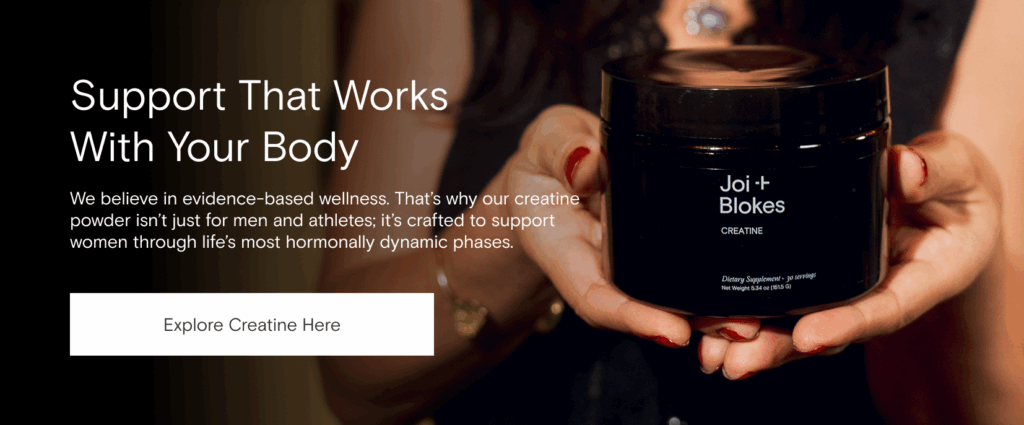
Our creatine supplement is third party and heavy metal tested creatine monohydrate, easy to mix, unflavored, and formulated to fit seamlessly into your daily routine, whether you’re training or simply striving for better energy and strength.
Here’s how it supports your perimenopause journey:
- Supports lean muscle maintenance & strength
- Aids cellular energy production and recovery
- Promotes cognitive focus and mental clarity
- Easy to mix into your daily beverage
- Compatible with most lifestyles and supplement stacks
👉 Ready to try it? Learn more and shop here:
https://joiandblokes.com/shop/women/supplements/creatine/
Final Thoughts
Perimenopause doesn’t have to be a period of decline; with the right support, you can feel strong, energized, and mentally sharp. Creatine isn’t a magic cure, but the science supports its role as a foundational supplement for women seeking strength, confidence, and vitality in midlife and beyond.
If you’re interested in personalized guidance or have specific health goals, consider scheduling a consultation with our hormone optimization specialists.
Source: