

Hormones are your body’s chemical messengers. Quietly influencing everything from your energy levels and metabolism to mood, sleep, and long-term health.
Yet for many people, hormone imbalances go unnoticed for years.
Fatigue gets blamed on stress. Weight changes feel unexplained. Brain fog becomes “normal.”
But often, these symptoms are signals, not mysteries.
Understanding your hormones is one of the most powerful steps you can take toward optimizing your health, performance, and longevity.
What Are Hormones and Why Do They Matter?
Hormones are signaling molecules released by the endocrine system that regulate essential physiological processes, including metabolism, reproduction, mood, and energy balance.
Even subtle hormonal dysregulation can have meaningful effects on health. For example:
- Testosterone: Low levels are associated with reduced muscle mass, fatigue, and increased fat mass (1)
- Estrogen & Progesterone: Fluctuations influence mood, sleep, and cardiovascular health (2)
- Thyroid hormones: Critical regulators of metabolic rate and energy expenditure (3)
Because hormones operate as an interconnected system, small imbalances can cascade into broader health effects.
Signs Your Hormones May Be Out of Balance
Hormonal imbalances often present subtly and are frequently overlooked.
Common signs include:
- Persistent fatigue
- Difficulty maintaining or losing weight
- Mood changes or irritability
- Low libido
- Poor sleep quality
- Brain fog or reduced focus
These symptoms are commonly reported in individuals with endocrine dysfunction and metabolic imbalance (4).
Why Testing Is the First Step to Optimization
You can’t optimize what you don’t measure.
Hormone testing provides objective insight into your physiology, helping identify imbalances, establish baselines, and guide personalized interventions.
Clinical guidelines emphasize the importance of biochemical testing to confirm suspected hormonal abnormalities rather than relying on symptoms alone (5).
Testing enables you to:
- Detect imbalances early
- Track changes over time
- Personalize treatment strategies
- Monitor response to interventions
Introducing a Better Way: At-Home Hormone Testing
Getting answers about your health shouldn’t require multiple appointments, long wait times, or unnecessary friction.
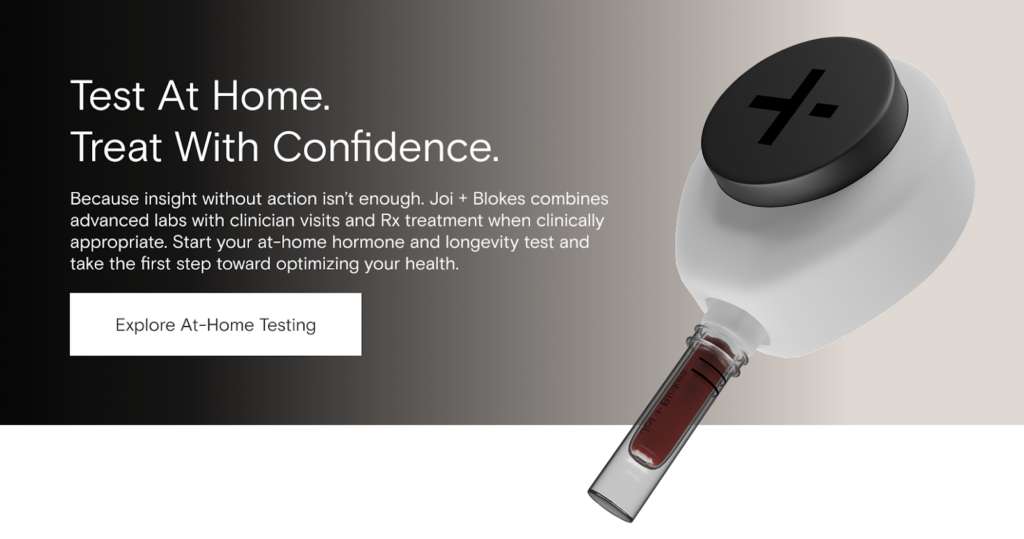
That’s why we’re excited to introduce our at-home hormone and longevity testing kit, a simpler, more accessible way to understand what’s happening inside your body.
Designed to give you clinical-grade insights without leaving home, this new offering makes it easier than ever to take control of your health.
With our at-home testing kit, you can:
- Measure key hormone markers like testosterone, estrogen, progesterone, and thyroid function
- Assess important longevity indicators such as cholesterol, inflammation, and nutrient status
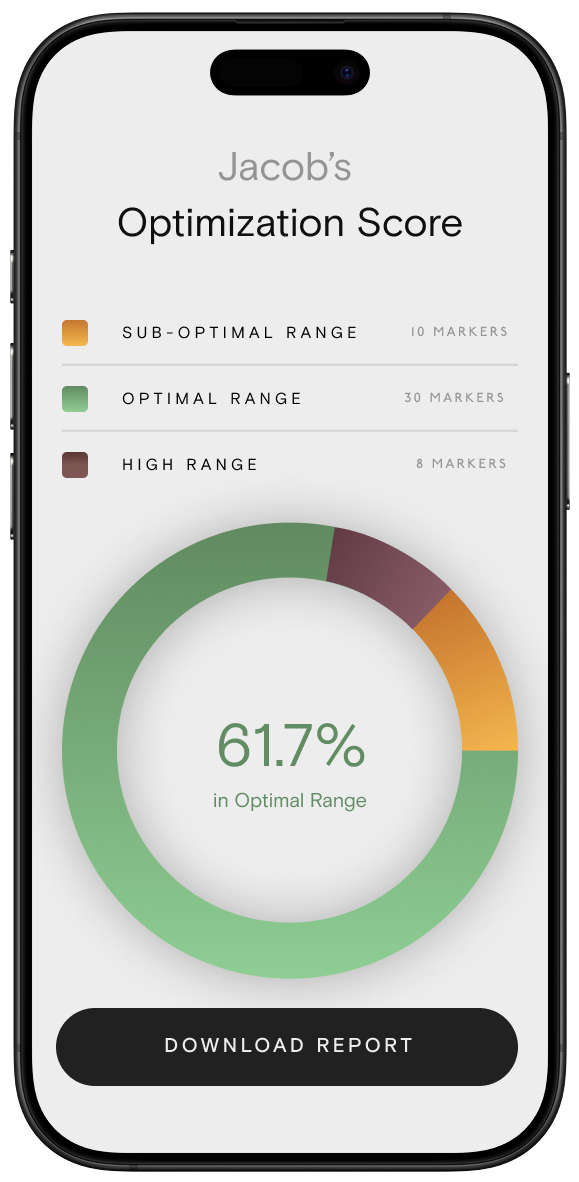
- Receive a comprehensive view of your metabolic and hormonal health
- Review your results with a licensed clinician who helps translate your data into a personalized plan
Whether you’re experiencing symptoms or simply want to establish a baseline, this is your starting point.
Built for Simplicity: How At-Home Testing Works
We designed this experience to be seamless from start to finish so you can focus on your health, not the logistics.
1. Collect your sample at home
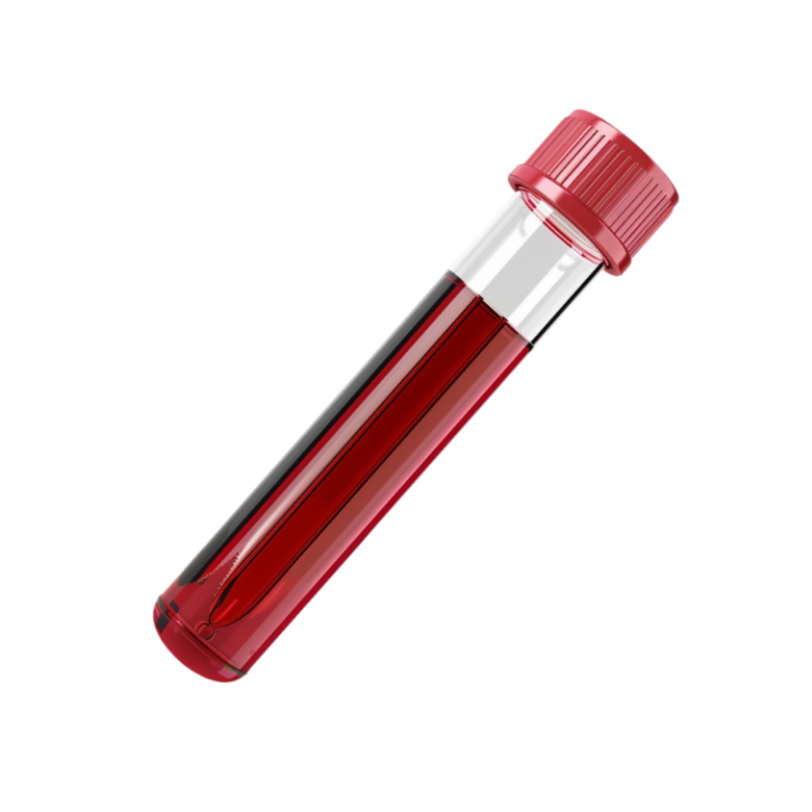
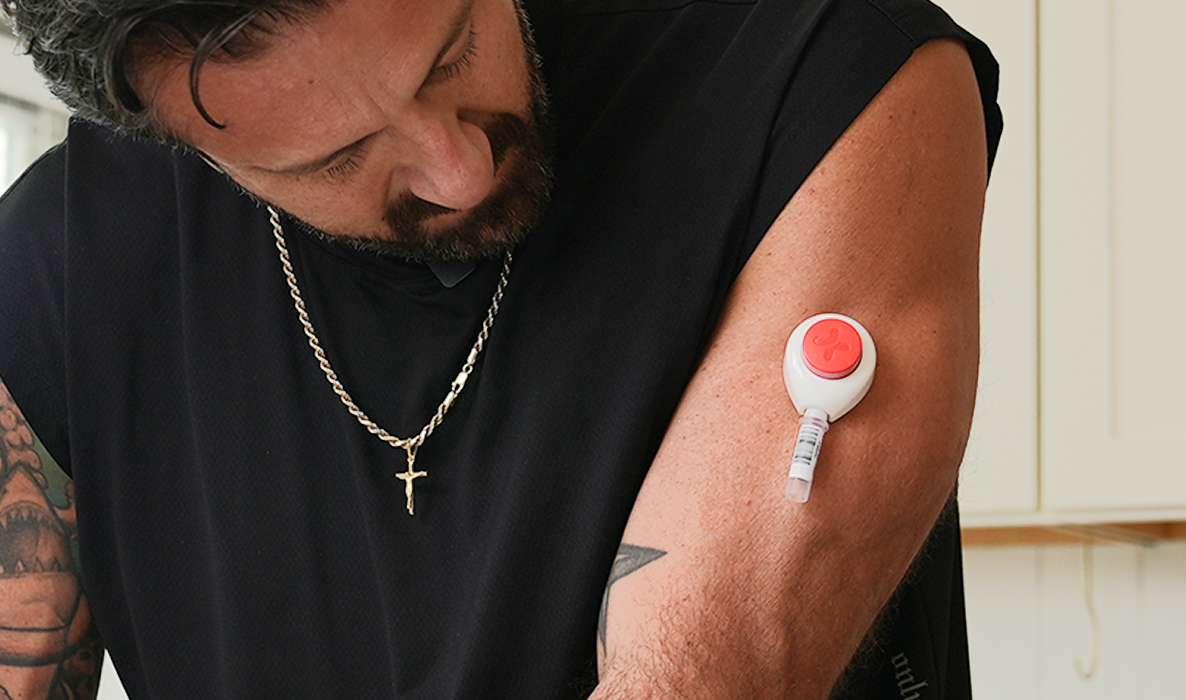
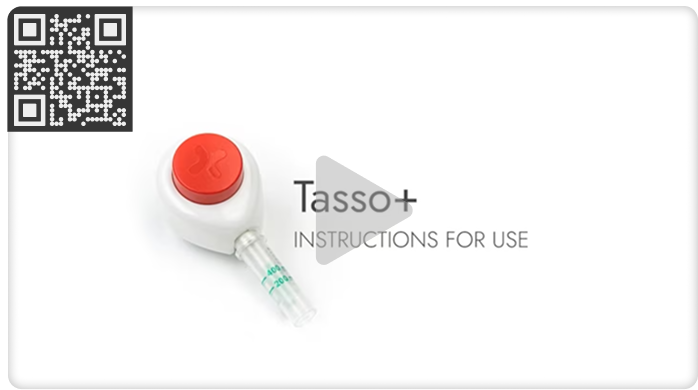
Using our Tasso-powered collection device, you can gather a high-quality blood sample in minutes, no clinic visit required.
2. Send it to the lab
Your kit includes everything you need to safely package and ship your sample.
3. Get results and expert guidance
Within days, you’ll receive your results and meet with a licensed clinician to review your biomarkers and next steps
How to Use Your At-Home Kit
http://www.tassoinc.com/tassoplus-videowww.tassoinc.com/tassoplus-video
Why This Changes How You Approach Your Health
This launch isn’t just about convenience; it’s about removing the barriers that prevent people from truly understanding their health.
With at-home testing, you can:
- Take action sooner, without waiting for symptoms to worsen
- Build a baseline and track your progress over time
- Make informed decisions with real clinical data
- Access expert guidance without the traditional hurdles

References
2: Santoro N, et al. (2015). Mechanisms of menopause and hormonal changes. Endocrine Reviews.
3: Mullur R, Liu YY, Brent GA. (2014). Thyroid hormone regulation of metabolism. Physiological Reviews.