

For many men and women, caffeine feels non-negotiable. That first cup of coffee signals the start of the day. The second (or third) cup gets you through it.
In moderation, caffeine can enhance focus, performance, and mood. But when intake climbs—or when it’s consumed first thing in the morning—it may disrupt cortisol rhythms, sleep quality, and energy regulation in ways that leave you more fatigued long term.
Let’s break down what research says about the good, the bad, and five science-backed ways to sustain energy without relying on another refill.
The Benefits of Caffeine (When Used Strategically)
Caffeine is one of the most well-studied performance enhancers in the world.
1. Improved Alertness and Cognitive Performance
Caffeine blocks adenosine receptors in the brain, reducing perceived fatigue and increasing alertness 1. Studies show improvements in reaction time, vigilance, and concentration at moderate doses 2.
2. Physical Performance Boost
Caffeine enhances endurance performance and reduces perceived exertion 3.
3. Short-Term Mood Elevation
Low-to-moderate doses have been associated with improved mood and reduced perceived mental fatigue 4.
The key: Most benefits occur at moderate intake (around 100–200 mg per dose). Problems often begin when intake becomes excessive or poorly timed.

The Downsides of High Caffeine Intake
1. Cortisol Disruption
Caffeine stimulates cortisol release, particularly when consumed during peak morning cortisol hours 5. Chronically elevating stress hormones may contribute to metabolic disruption, sleep disturbance, and perceived stress.
For individuals already under high stress, layering caffeine on top may amplify that physiological load.
2. Sleep Interference (Even If You “Sleep Fine”)
Caffeine consumed even 6 hours before bed can significantly reduce sleep quality and total sleep time 6. Poor sleep then increases next-day caffeine dependence—a cycle many people unknowingly repeat.
3. Tolerance and Dependence
Regular caffeine use leads to tolerance, meaning more is required to achieve the same effect 7. Withdrawal symptoms—including fatigue and headaches—can appear within 24 hours.
4. Energy Crashes
Because caffeine doesn’t create energy—it blocks fatigue signals—adenosine accumulates in the background. When caffeine wears off, the “crash” can feel more intense.
If you find yourself needing a second or third cup daily, your body may be compensating for underlying sleep, stress, nutrient, or mitochondrial inefficiencies.
5 Science-Backed Ways to Boost Energy (Without Another Cup)
1. Support Cellular Energy Production (NAD+ Optimization)
Energy begins at the cellular level—specifically in the mitochondria. NAD+ is a coenzyme essential for cellular energy metabolism and mitochondrial function 8. NAD+ levels naturally decline with age, which may contribute to fatigue and reduced resilience.
Supporting NAD+ levels may help optimize how efficiently your cells produce ATP (energy currency).
2. Use Light to Regulate Cortisol Naturally
Morning light exposure helps regulate circadian rhythm and supports healthy cortisol awakening response 9. Just 10–20 minutes of outdoor light within an hour of waking can improve alertness and nighttime sleep quality.
Instead of reaching for coffee immediately:
- Step outside
- Hydrate
- Move your body lightly
Let your natural cortisol peak work for you—not against you.
3. Correct Micronutrient Deficiencies (Especially B12)
Vitamin B12 plays a critical role in red blood cell formation and neurological function. Deficiency is strongly associated with fatigue and reduced cognitive performance 10.
Even marginal B12 insufficiency can impact energy levels—particularly in women, vegetarians, and adults over 40.
4. Move Your Body (Even Briefly)
Exercise reliably reduces fatigue and increases energy in both healthy adults and those experiencing chronic fatigue 11.
Even 10 minutes of brisk walking can:
- Improve circulation
- Increase oxygen delivery
- Boost neurotransmitters like dopamine
This creates real energy—not borrowed stimulation.
5. Optimize Hydration and Focus Nutrients
Mild dehydration negatively affects mood, concentration, and perceived energy 12.
Before your second coffee, ask:
- Have I had water?
- Have I eaten protein?
- Am I low on key nutrients that support neurotransmitters?
Targeted supplementation can support sustained cognitive energy.
Rethinking Your Relationship with Caffeine
Caffeine isn’t inherently bad. In fact, moderate intake can be part of a healthy routine.
But if you:
- Rely on multiple cups daily
- Feel wired but tired
- Crash mid-afternoon
- Struggle with sleep
It may be time to support your biology rather than override it.
True energy comes from:
- Healthy mitochondria
- Balanced hormones
- Adequate micronutrients
- Restorative sleep
- Nervous system regulation
Coffee stimulates.
Cellular health sustains.
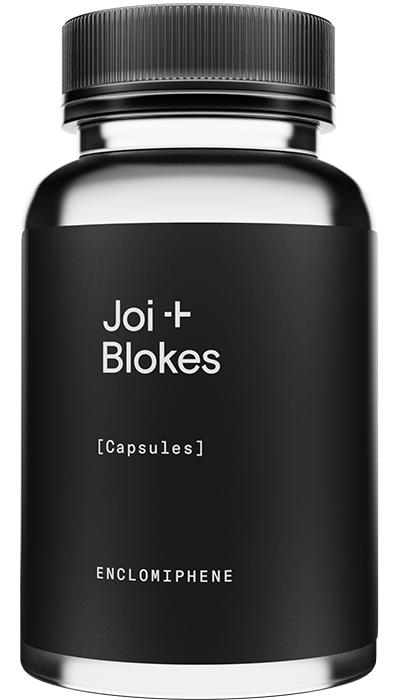
If you’re ready to optimize your energy at the root level, Joi + Blokes offers personalized protocols and targeted therapies designed to help both men and women feel energized—without relying on another cup.
References
- Nehlig, A. (2018). Interindividual differences in caffeine metabolism. Nutrients.
- Smith A. (2002). Effects of caffeine on human behavior. Food Chem Toxicol
- Spriet, L. (2014). Exercise and sport performance with caffeine. Sports Medicine.
- Einöther, S. & Giesbrecht, T. (2013). Caffeine as an attention enhancer. Psychopharmacology.
- Lovallo, W. et al. (2005). Caffeine stimulates cortisol secretion. Psychosomatic Medicine.
- Drake, C. et al. (2013). Caffeine effects on sleep taken 0, 3, or 6 hours before bedtime. Journal of Clinical Sleep Medicine.
- Juliano, L. & Griffiths, R. (2004). A critical review of caffeine withdrawal. Psychopharmacology.
- Verdin, E. (2015). NAD+ in aging and metabolism. Science.
- Phipps-Nelson, J. et al. (2003). Daytime exposure to bright light improves alertness. Sleep.
- O’Leary, F. & Samman, S. (2010). Vitamin B12 in health and disease. Nutrients.
- Ganio, M. et al. (2011). Mild dehydration impairs cognitive performance. Journal of Nutrition.
- Puetz, T. et al. (2006). Physical activity and feelings of energy and fatigue. Psychological Bulletin.