


While testosterone is generally associated with masculinity, it also plays a crucial role in women’s health, helping to balance sleep, energy, and libido. However, the effects of testosterone on women are often overlooked, leading to many women suffering from issues like lack of sleep, low energy, and decreased libido without realizing that testosterone may be the solution they need.
Why Understanding Testosterone is Crucial for Women’s Health
As women age, their testosterone levels naturally decline. Low testosterone in women can lead to decreased energy, muscle mass, and bone density. It’s even known to decrease libido and increase the risk of depression.
Low testosterone in women may be caused by natural factors, such as age or menopause, but other factors such as certain medications (especially birth control), the removal of the ovaries, or adrenal and pituitary gland issues can contribute to low testosterone.
Signs and Symptoms of Low Testosterone in Women
Understanding what hormone imbalance symptoms look like is the first step in knowing how to treat them. If you’re experiencing any of the following, you may have low testosterone.
Physical Symptoms
- Fatigue
- Muscle weakness
- Weight changes
Psychological Symptoms
- Mood changes
- Brain fog
- Depression
Sexual Health Symptoms
- Reduced Libido
- Decreased satisfaction
How Symptoms Differ from Other Hormonal Imbalances
While some symptoms of low testosterone in women can overlap with the symptoms of other hormonal imbalances, low testosterone in women is usually characterized by muscle loss and a decreased sex drive. Other hormonal imbalances may produce symptoms such as fatigue, weight changes, and mood swings, all of which can be present with a testosterone deficiency, too.
How Testosterone Levels Change Throughout a Woman’s Life
Testosterone in women is produced naturally in women’s ovaries and adrenal glands and plays a critical role in maintaining a healthy reproductive system, bone density, muscle mass, and overall energy levels. It also affects mood, cognitive function, and libido.
Average testosterone levels for women differ depending on their age and body, and levels can fluctuate during the menstrual cycle. Testosterone works together with estrogen, another hormone responsible for reproductive health, to regulate reproductive health, bone density, and even your mood.
Testing Your Testosterone Levels
There are several available methods to test your testosterone levels, including the total testosterone test, which involves measuring testosterone levels directly in the blood. Other methods, such as analyzing saliva, may not be as accurate but can still be used to get a general sense of your testosterone levels.
Another method of testing includes what’s called a free testosterone test. This test measures the levels of “active” testosterone in your system, and, while less common, it can be used to diagnose some of the underlying medical conditions that might be contributing to low testosterone.
If you’re concerned about your testosterone levels, and are experiencing any of the symptoms previously mentioned, it might be a good idea to seek testosterone testing.
Natural Ways to Balance Testosterone
If you’re interested in at-home remedies to help rebalance your testosterone, here are some key methods to try:
- Dietary changes: Foods high in protein, zinc, vitamin D, and healthy fats all can help boost your body’s hormone production and may improve your testosterone levels.
- Exercise strategies: Strength training and resistance training in particular has been shown to boost hormone levels in women, though only temporarily.
- Stress management: High stress levels can contribute to a hormone imbalance. Consider lowering your overall stress through practices like mindfulness, yoga, or meditation.
- Improve Sleep: Regulating your sleep patterns and habits, as well as getting a balanced 8-10 hours of sleep each night can help regulate your body’s hormones.
When to Seek Professional Help
Low testosterone may lead to a range of health issues, but these can be mitigated with testosterone therapy. With testosterone therapy, women may be able to improve their sleep, energy levels, and libido, leading to an overall improvement in quality of life.
It’s worth considering testosterone therapy if you’re experiencing symptoms of low testosterone. However, it’s important to consult an experienced professional first. At Joi+Blokes, we’re happy to answer your questions and help you determine whether testosterone therapy is a good option for you.
And, if you find after our consultation you may be experiencing low testosterone, an endocrinologist or gynecologist may be able to provide greater insights into the cause of your testosterone imbalance. A gynecologist can identify issues such as polycystic ovarian syndrome (PCOS) or other health issues that may cause a hormone imbalance, while an endocrinologist can dive deep into the details of your body’s hormone production, and identify the areas where production may be lacking.
Testosterone Therapy Treatment in Women
If you’re ready to explore testosterone therapy, there are plenty of prescription testosterone options you can try. Joi+Blokes consultations and lab work can help you identify your testosterone needs, and your primary care provider can also help you determine which path is right for you.
There are two main types of testosterone therapy: bioidentical or synthetic hormones. Bioidentical mimics the genetic makeup of the hormones already in your body, and tends to be more personalized, while synthetic hormones are created in a lab and tend to be for a more generalized approach to testosterone treatment. At Joi+Blokes, we utilize bioidentical hormones to give your body a natural replica of what the body already produces.
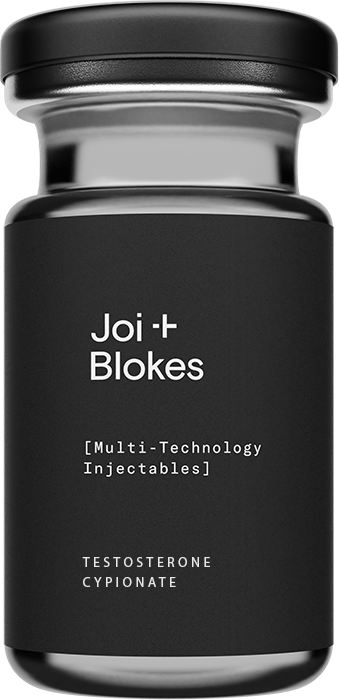
There are also different methods for applying testosterone to your body, including injections, implants, patches, or topical gels. While injections are generally considered the most effective, some women may experience adverse reactions to testosterone therapy, and what will work best for you can be determined with your healthcare provider.
Joi+Blokes offers a wide variety of treatment options for women who are experiencing testosterone deficiency, and our lineup of licensed healthcare providers can give you a tailored, unique experience that fits your health journey.
Frequently Asked Questions
What should a woman’s normal testosterone level be?
While a woman’s testosterone levels can vary between people due to a variety of factors including menstruation, age, and genetics, the average can range anywhere from 15 to 70 nanograms per deciliter.
Do a woman’s testosterone levels increase during her period?
No, testosterone does not increase during a woman’s period. However, testosterone levels may fluctuate slightly around ovulation.
How do I increase my testosterone levels naturally?
Simple changes such as diet, exercise, and improving your sleep are all ways to naturally improve your testosterone levels over time.
Once you start testosterone therapy can you stop?
Yes. If you find your symptoms have improved with testosterone therapy, you may choose to stop using therapy and revert back to natural methods to try and manage your testosterone levels over time. Or, if you have found and treated an underlying condition contributing to a testosterone balance, such as an adrenal or pituitary gland problem, testosterone therapy may no longer be necessary.
Final Thoughts
If you’re a woman who is experiencing any of these symptoms, it may be worth considering testosterone therapy. Testosterone therapy can help boost testosterone levels, which can lead to many health benefits. Improved sleep, improved libido, and increased energy are just a few of the benefits you can expect to see when you start testosterone therapy.
Schedule a hormone consultation with our specialists today to determine if your symptoms could be caused by a testosterone imbalance.