

Polycystic Ovary Syndrome (PCOS) is one of the most common hormonal conditions affecting women today; yet it remains widely misunderstood, underdiagnosed, and often oversimplified.
Most women are told PCOS is about irregular periods or fertility challenges. But that’s only part of the story.
PCOS is fundamentally a metabolic and hormonal condition that impacts how your body produces energy, regulates blood sugar, and communicates through hormones. When left unaddressed, it can influence everything from weight and mood to long-term health and aging.
Understanding PCOS is not just about managing symptoms, it’s about learning how your body works.
Why PCOS Matters More Than You Think
It’s estimated that 1 in 10 women are diagnosed with PCOS, though many experts believe the true number may be significantly higher. It is the leading cause of infertility, but its effects extend far beyond reproductive health.
Women with PCOS are more likely to experience:
- Chronic fatigue and low energy
- Difficulty losing weight or changes in body composition
- Brain fog and poor concentration
- Skin changes like acne or thinning hair
- Blood sugar instability and cravings
Over time, PCOS is also associated with insulin resistance, inflammation, and increased risk for metabolic syndrome, making it a condition that affects both short-term well-being and long-term health.

PCOS Is a Hormone Signaling Problem
At its core, PCOS is not simply about “too much testosterone.” It’s about miscommunication between the brain, ovaries, and metabolic system.
In a healthy system, the brain sends signals to the ovaries to produce hormones in a balanced way. In PCOS, those signals become dysregulated. The brain often tells the ovaries to produce more androgens (like testosterone), but the body struggles to properly convert those hormones into estradiol, a key form of estrogen.
This imbalance can disrupt ovulation, which means progesterone levels remain low. The result is a hormonal environment that affects mood, metabolism, skin, and cycle regularity.
Hormones don’t act in isolation, they function as a network. When one piece is off, the entire system feels it.
The Role of Insulin Resistance in PCOS
One of the most important drivers of PCOS is insulin resistance, even in women who appear otherwise healthy.
Insulin is the hormone responsible for helping your body use glucose (sugar) for energy. When your cells become less responsive to insulin, the body compensates by producing more of it. Elevated insulin levels can then stimulate the ovaries to produce more androgens, further disrupting hormonal balance.
This creates a feedback loop:
- Hormonal imbalance contributes to insulin resistance
- Insulin resistance worsens hormone imbalance
Over time, this can lead to increased fat storage, particularly around the abdomen, along with inflammation and difficulty regulating energy levels.
PCOS, in many ways, reflects a body that is struggling to efficiently use and distribute energy.
The Connection Between PCOS, Inflammation, and the Gut
Many women with PCOS experience symptoms that seem unrelated to hormones; like bloating, digestive discomfort, or food sensitivities. But these symptoms often point to a deeper connection between hormones, inflammation, and gut health.
Hormones such as estradiol help maintain the integrity of the gut lining and support a balanced microbiome. When hormone levels are disrupted, the gut can become more permeable and inflamed. This, in turn, increases systemic inflammation, which further impacts insulin sensitivity and hormonal signaling.
It’s a cycle that reinforces itself unless addressed holistically.
Why PCOS Can Feel Like Premature Aging
One of the less-discussed aspects of PCOS is how it affects the body over time.
Chronic insulin resistance, inflammation, and hormonal imbalance can contribute to:
- Increased visceral fat (around organs)
- Oxidative stress
- Reduced metabolic flexibility
This combination can make women feel like their bodies are aging faster than expected, with lower energy, slower recovery, and changes in physical appearance.
But this process is not inevitable. It’s a signal that the body needs support.

What Actually Helps: Supporting the System, Not Just the Symptoms
There is no one-size-fits-all solution to PCOS, but there are consistent themes that support improvement.
Stabilizing blood sugar is one of the most impactful steps. When glucose and insulin levels are more balanced, the hormonal cascade begins to shift. This often involves prioritizing whole foods, increasing protein and fiber intake, and reducing reliance on highly processed carbohydrates.
Sleep and circadian rhythm also play a major role. Hormones follow daily patterns, and disruptions to sleep can worsen insulin resistance and cortisol imbalance. Getting consistent morning light and maintaining a regular sleep schedule can have a meaningful effect on metabolic health.
Movement is another powerful tool, but not in the way many expect. Strength training and regular walking tend to be more effective for PCOS than excessive high-intensity exercise, which can sometimes increase stress hormones.
Supporting gut health, reducing inflammation, and minimizing exposure to environmental toxins can further improve how the body processes hormones.
The goal is not perfection, it’s consistency in supporting the body’s underlying systems.
Why Testing Matters in PCOS
One of the biggest challenges with PCOS is that many women are given limited or incomplete testing.
Basic labs often don’t capture the full picture of what’s happening with:
- Hormone balance
- Insulin sensitivity
- Inflammation
Without this information, treatment becomes guesswork.
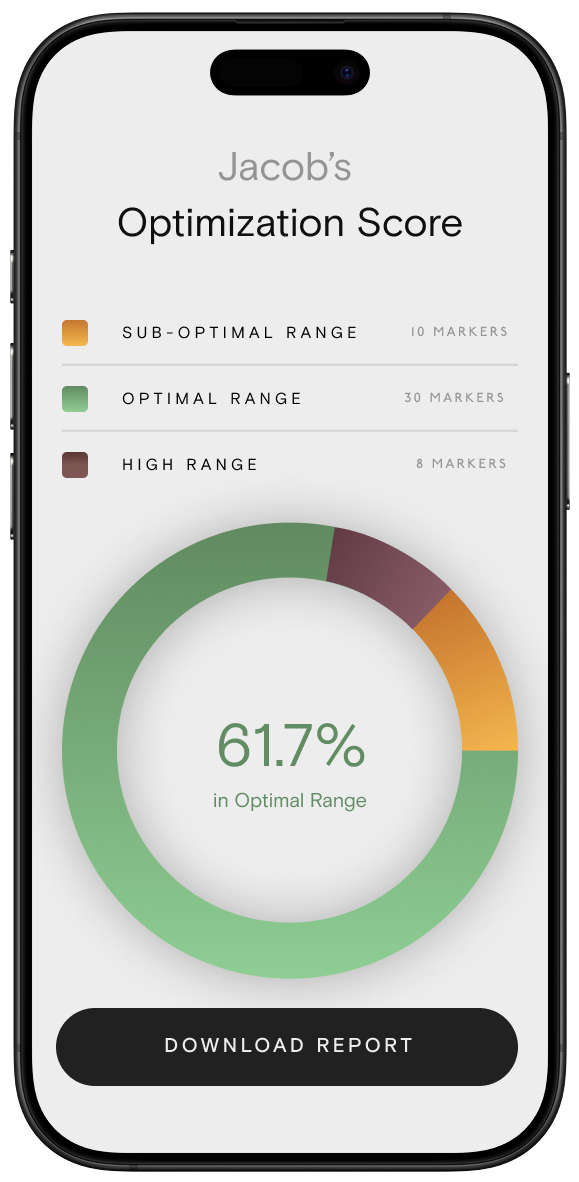
Comprehensive testing allows you to understand not just that something is off, but why. And once you understand the “why,” you can take targeted, effective action.

Start With Data: Understanding Your Hormones at Home
If you’re experiencing symptoms of PCOS, or simply feel like your body isn’t functioning the way it should, the most important first step is gaining clarity.
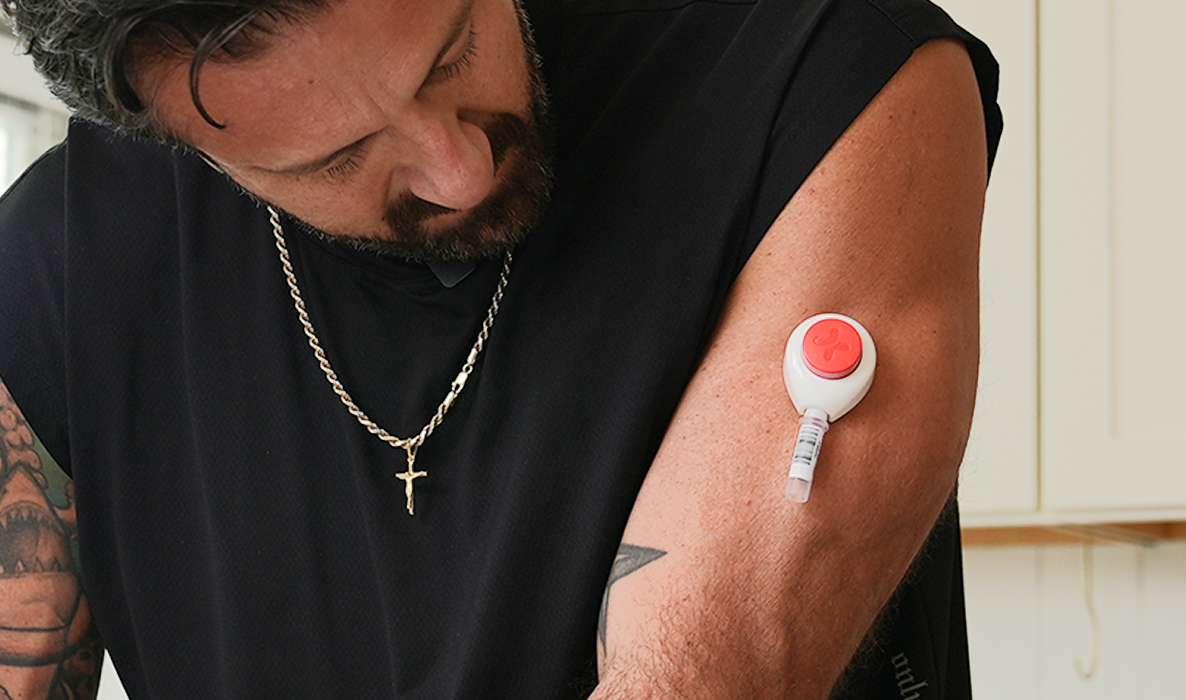
At Joi + Blokes, we offer comprehensive at-home hormone testing designed to give you a deeper understanding of your body. This includes key markers related to hormones, metabolism, and overall health, so you’re not left guessing.
Start your At-Home Hormone Test today.
Get real answers. Understand your body. Build a plan that works.
For those looking to go even deeper, our Advanced Panel (full blood draw) provides expanded insight into areas like inflammation, thyroid function, and micronutrient status, giving you a more complete picture of what’s driving your symptoms.
Reclaiming Control of Your Health
PCOS is not just a diagnosis, it’s a signal. A signal that your hormones, metabolism, and environment are out of alignment.
When you listen to that signal, and support your body with the right tools, change is not only possible, it’s expected.
You don’t need to accept feeling “off” as normal.