


Bone density loss begins years before symptoms appear. Here’s what the data shows and how a personalized approach can change your long-term trajectory.
Most people focus on hormones, weight, energy, and cardiovascular health, all of which are warranted. But one risk factor quietly progresses in the background, often undetected until a fracture or a low DEXA scan brings it into focus: bone density loss.
The clinical reality is clear. Bone density can decline significantly with age and hormonal shifts, often without noticeable symptoms. By the time it’s identified, structural compromise may already be present.
The window for meaningful intervention starts earlier than most realize, and it begins with understanding your biology, not guessing at it.
| 1 in 2 Adults over 50 will experience an osteoporosis-related fracture | Up to 20% bone density loss can occur during key hormonal transition periods | Peak: 30s Bone mass peaks in your 30s decline begins earlier than most realize |
Why Bone Loss Accelerates
Bone is not static tissue. It undergoes continuous remodeling: osteoclasts break it down while osteoblasts rebuild it. Hormones, including estrogen and testosterone, play a central role in regulating this cycle.
As hormone levels shift with age, stress, or metabolic changes, this balance can become disrupted. Bone breakdown begins to outpace rebuilding, resulting in a gradual decline in bone mineral density.
This process can affect both men and women. While the timeline and drivers may differ, the outcome is the same: reduced bone strength and increased fracture risk over time.
What makes this challenging is that early-stage bone loss produces no pain, no visible signs, and no functional impairment. The absence of symptoms is not the absence of risk.
Osteoporosis is often called a “silent disease”; for many, the first clinical sign is a fracture following minimal trauma. Early identification through labs and imaging remains the most effective point of intervention.

Start With Data, Not Assumptions
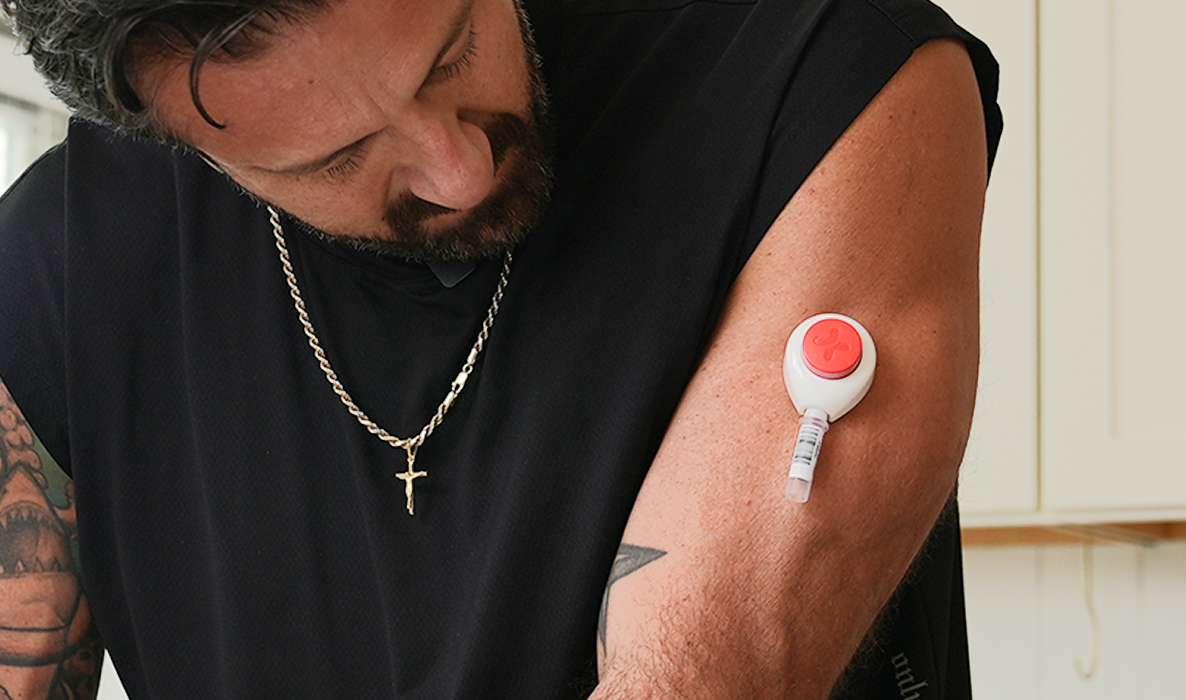
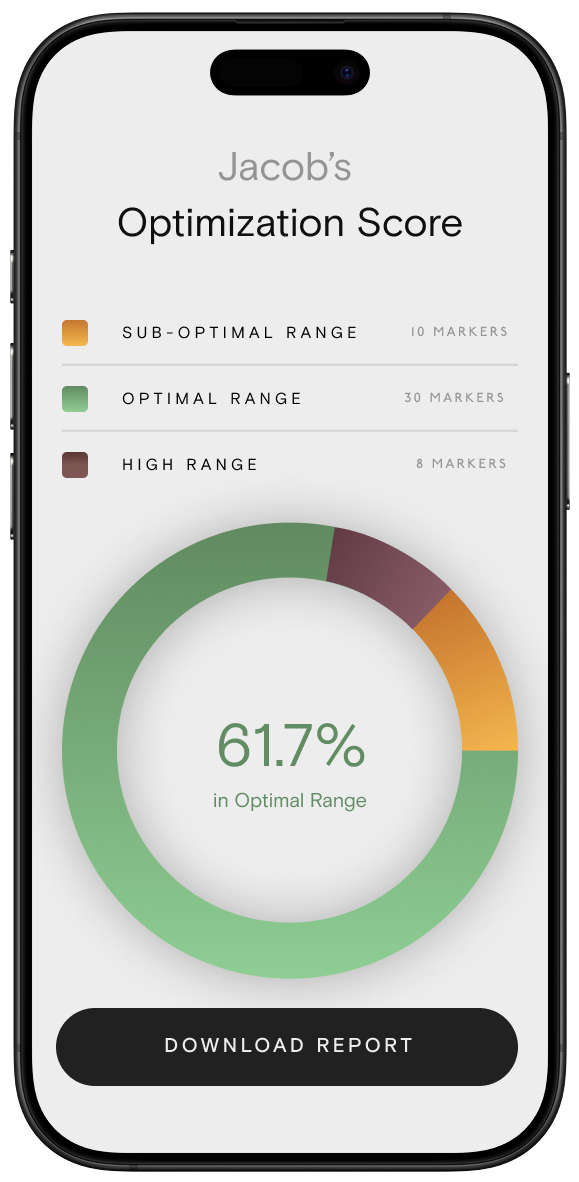
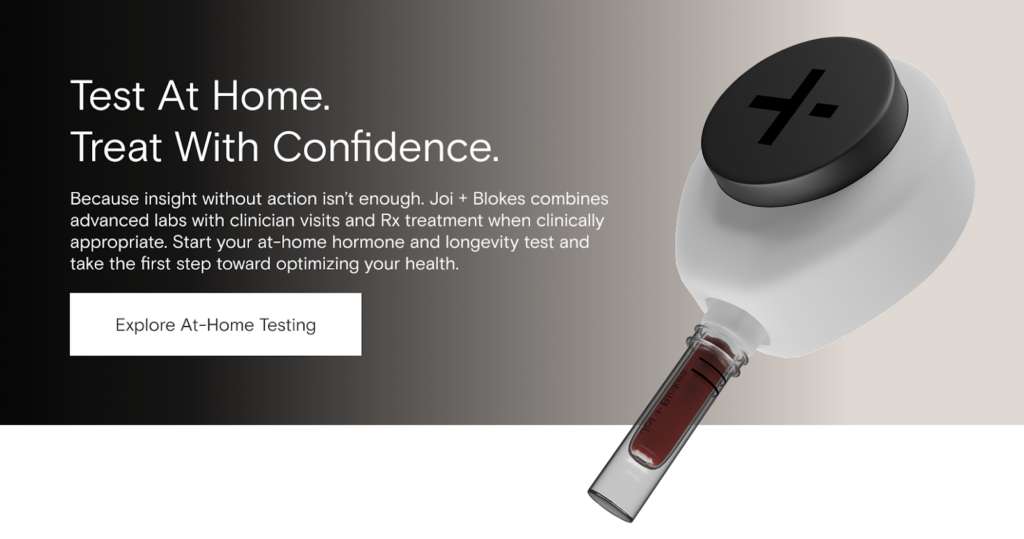
At Joi + Blokes, clinical assessment begins before any recommendation is made. Comprehensive lab panels provide a precise picture of the biological factors influencing bone health—enabling targeted, evidence-based intervention rather than generalized supplementation.
A full evaluation may include:
- Estradiol, progesterone (for females), and testosterone levels
- 25-hydroxyvitamin D
- High-sensitivity C-reactive protein and inflammatory markers
- Thyroid function and metabolic panel
- Calcium levels
Bone health is a systems-level issue. Vitamin D deficiency impairs calcium absorption. Elevated cortisol accelerates bone breakdown. Thyroid imbalance affects the turnover rate. A single-nutrient approach ignores the clinical complexity involved.
The Role of Hormone Optimization
Hormones play a measurable role in maintaining bone density across both sexes. When appropriately prescribed and monitored, hormone optimization can support bone remodeling, preserve density, and reduce long-term fracture risk.
The clinical question is not whether hormones matter; they do, but how to optimize them based on your individual physiology.
At Joi + Blokes, protocols are:
- Designed around your specific lab results, not population averages
- Overseen by licensed clinicians with expertise in hormonal health
- Adjusted over time as your biomarkers evolve
- Integrated with nutrition, training, and supplementation
The objective is not symptom suppression; it’s measurable, long-term improvement in outcomes, including bone density, muscle mass, metabolic health, and resilience.
Resistance Training: A Clinical Imperative, Not Optional
Mechanical loading is one of the most effective stimuli for bone formation. When a muscle contracts against resistance, it places stress on the bone, triggering new tissue development.
This is not optional, it’s foundational.
Evidence-based approach:
- Resistance training 2–4x per week with progressive overload
- Compound, weight-bearing movements (squats, deadlifts, lunges, rows)
- Impact-based activity (jumping, brisk walking) when appropriate
- Balance and coordination work to reduce fall risk
- Consistency drives results. Regular, moderate loading outperforms sporadic intensity over time.
Targeted Supplementation Based on Your Labs
Supplementation is most effective when it is personalized.
At Joi + Blokes, protocols are guided by lab data rather than generic recommendations.
Key nutrients for bone health include:
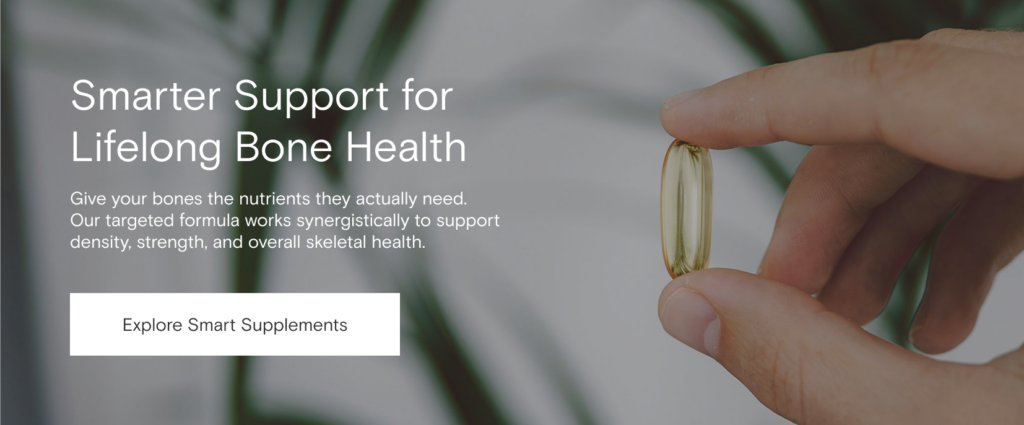
- Vitamin D3 – supports calcium absorption and bone mineralization
- Calcium – preferably from diet, with supplementation as needed
- Magnesium – supports bone matrix formation and vitamin D metabolism
- Vitamin K2 – helps direct calcium into bone tissue
Dosing should reflect your physiology—not a standard template.
An Integrated Approach to Long-Term Health
Joi + Blokes is built on the premise that reactive medicine is insufficient. Bone health does not exist in isolation, it intersects with metabolic health, muscle preservation, cardiovascular function, and cognitive performance.
Our clinical framework connects:
- Comprehensive lab testing to establish your baseline
- Clinician-guided interpretation and personalized planning
- Hormone optimization supported by current evidence
- Targeted supplementation and therapies where appropriate
- Ongoing monitoring as your biology evolves
The goal is not to treat symptoms in isolation but to build a complete, actionable picture of your health.
The Clinical Bottom Line
Bone density is not a future concern, it’s a current variable.
By the time many people are referred for a DEXA scan, meaningful loss has already occurred. The most effective window for prevention is earlier, before symptoms, before fractures, before the decline accelerates.
The path forward is straightforward:
- Measure what’s happening in your body.
- Interpret it with precision.
- Act before it becomes difficult to reverse.
Ready to Understand Your Bone Health?
Joi + Blokes offers comprehensive lab panels and clinician-guided care designed to identify and address early changes in bone health.
Start with your data—everything else follows.