


Important Safety Information
General Safety Information
The information on this page is provided for general educational purposes and is not a substitute for medical advice from a licensed healthcare professional. Prescription treatments require evaluation by a licensed provider, who will determine whether a medication is medically appropriate based on an individual patient’s history, current medications, laboratory data when applicable, and treatment goals.
Prescription medications can cause side effects and may not be appropriate for everyone. Tell your healthcare provider about all prescription medications, over-the-counter medications, vitamins, supplements, allergies, medical conditions, pregnancy status, and breastfeeding status before starting treatment.
If you believe you are experiencing a medical emergency, call 911 or seek emergency medical care.
Suspected adverse events or product-quality problems may be reported to the FDA MedWatch program at 1-800-FDA-1088 or through FDA MedWatch.
Compounded Medications
Some treatments offered through Joi+Blokes may be compounded when clinically appropriate and permitted by applicable law. Compounded medications are not FDA approved. FDA does not verify the safety, effectiveness, or quality of compounded drugs before they are marketed. A compounded medication may differ from an FDA-approved product in formulation, strength, dosage form, inactive ingredients, or route of administration.
Patients should use compounded medications only as prescribed and follow the dispensing pharmacy’s label and instructions.
Injections / Troches
Current compounded sermorelin products are not FDA approved. Sermorelin may be prescribed by a clinician in compounded form based on individual medical needs.
Common Side Effects
- Headache
- Dizziness
- Flushing
- Nausea
- Fatigue
- Injection-site redness, pain or swelling
- Oral irritation, dry mouth or taste changes with troches
Warnings and Serious Risks
Sermorelin stimulates the growth-hormone axis and can increase IGF-1. It may affect glucose metabolism and fluid balance. Joi + Blokes reports that mild effects may include injection-site reactions, headache, flushing, dizziness, nausea, and temporary changes in appetite or sleep.
Do Not Use / Use With Caution
Joi + Blokes states that it reviews patients for a history of cancer or benign tumor growth, including uterine fibroids or cysts, and does not recommend sermorelin when there is a relevant prior history. Tell your provider about diabetes or impaired glucose tolerance, pituitary disease, pregnancy, breastfeeding, thyroid disease, corticosteroid use, and any current or prior cancer or tumor history.
Administration
Joi + Blokes recommends taking sermorelin at night before bed on an empty stomach, ideally at least 2 hours after the last meal. If taken in the morning, their guidance advises waiting at least 90 minutes before eating. Follow the prescription label because route and schedule may vary between troches and injections.
Anastrozole is FDA approved for certain forms of breast cancer in postmenopausal women. Use for testosterone-management or hormone-optimization protocols is off-label.
Common Side Effects
- Hot flashes
- Joint or muscle pain
- Headache
- Weakness or fatigue
- Nausea
- Mood changes
Warnings and Serious Risks
Anastrozole lowers estrogen levels and may reduce bone mineral density over time. It may also affect cholesterol and liver tests. Ischemic cardiovascular events have been reported in patients with pre-existing ischemic heart disease.
Do Not Use / Use With Caution
Do not use if you have a known hypersensitivity to anastrozole. Tell your provider if you have osteoporosis or low bone density, cardiovascular disease, liver disease, or are pregnant or may become pregnant.
Drug Interactions
Estrogen-containing products may reduce the pharmacologic effect of anastrozole. Tamoxifen should generally not be used concurrently unless specifically directed by a specialist.
Armour Thyroid, NP Thyroid
Joi + Blokes prescribes desiccated thyroid extract (DTE), specifically Armour Thyroid or NP Thyroid. These are brand-name products made by drug manufacturers. They are not compounded medications. However, desiccated thyroid products are not FDA approved. They have been marketed since before modern FDA approval requirements and have not gone through the FDA’s new drug approval process. Prescriptions are sent to the patient’s local pharmacy of choice for dispensing.
DTE products are derived from porcine (pig) thyroid glands. They contain both levothyroxine (T4) and liothyronine (T3).
Important Warning
Thyroid hormones, including desiccated thyroid products, should not be used to treat obesity or for weight loss. In patients with normal thyroid function, doses within the range used for hormone replacement are ineffective for weight reduction. Larger doses may cause serious or even life-threatening toxicity, especially when taken with sympathomimetic amines such as those used for their appetite-suppressing effects.
Common Side Effects
Most side effects reflect a dose that is too high and resemble symptoms of an overactive thyroid:
- Rapid or irregular heartbeat, or palpitations
- Nervousness, anxiety or irritability
- Tremor
- Difficulty sleeping
- Heat intolerance or excessive sweating
- Headache
- Diarrhea or increased appetite
- Unintended weight loss
- Menstrual changes
- Temporary hair thinning, particularly early in treatment
Warnings and Serious Risks
Excess thyroid hormone can strain the heart. This may cause abnormal heart rhythms, chest pain or worsening heart failure, particularly in older adults and patients with cardiovascular disease. These patients are generally started at lower doses.
Long-term overtreatment can reduce bone mineral density.
Thyroid hormone can unmask or worsen adrenal insufficiency, so adrenal insufficiency should be treated before thyroid therapy is started.
Starting or adjusting thyroid medication may change blood sugar control in patients with diabetes.
Seek emergency care for chest pain, a very fast or irregular heartbeat, fainting, severe shortness of breath, or signs of a serious allergic reaction.
Do Not Use / Use With Caution
Desiccated thyroid is contraindicated in patients with uncorrected adrenal insufficiency, untreated thyrotoxicosis (an overactive thyroid), or hypersensitivity to any ingredient, including pork allergy.
Tell your provider if you have heart disease, high blood pressure, an irregular heartbeat, diabetes, osteoporosis, adrenal or pituitary disorders, or dietary or religious restrictions related to pork products. Also tell your provider if you are pregnant, planning pregnancy, or breastfeeding. Thyroid hormone needs often change during pregnancy, so do not stop or change your dose without talking to your clinician.
Drug Interactions
Some products reduce the absorption of thyroid medication. These include calcium, iron, antacids, multivitamins with minerals, bile acid sequestrants such as cholestyramine, sucralfate and orlistat. Take thyroid medication at least 4 hours apart from these products unless your clinician directs otherwise.
Thyroid medication can increase the effect of warfarin, change digoxin levels, and alter the dosing needed for insulin and other diabetes medications. Estrogen, including oral hormone therapy and birth control, can increase thyroid-binding globulin and may increase thyroid-medication requirements.
Biotin supplements can interfere with thyroid laboratory tests and cause falsely abnormal results. Tell your provider if you take biotin, and ask whether you should pause it before lab draws.
Tell your provider about all prescription medications, over-the-counter medications and supplements you take.
Administration
Take thyroid medication exactly as prescribed. It is usually taken once daily on an empty stomach, 30 to 60 minutes before breakfast, at the same time each day.
Armour Thyroid and NP Thyroid are dosed in grains or milligrams. They are not directly interchangeable with each other or with levothyroxine or liothyronine. Do not switch brands or products without your clinician’s direction. If your pharmacy substitutes a different product, let your provider know, because follow-up labs may be needed.
Joi + Blokes Monitoring
Laboratory testing is required before starting treatment to assess thyroid function. Follow-up labs are used to monitor response and adjust dosing.
A compounded DHEA/pregnenolone prescription combination is not FDA approved as a combination product. DHEA and pregnenolone are steroid-hormone precursors and may affect androgen, estrogen and progesterone pathways.
Common Side Effects
- Acne or oily skin
- Headache
- Gastrointestinal upset
- Changes in mood or sleep
- Changes in libido
- Increased facial or body hair in some patients
Warnings and Serious Risks
Hormone precursors may alter circulating hormone concentrations. Clinical monitoring may be appropriate depending on the patient and treatment goal.
Do Not Use / Use With Caution
Tell your provider if you have a history of hormone-sensitive cancer, significant liver disease, a mood disorder, pregnancy, breastfeeding, or are taking estrogen, progesterone, testosterone, anti-estrogen therapy, anticoagulants or other hormone-active medications.
Compounded Medication Notice
Use only the exact strength and formulation prescribed. Safety information may differ by dose and formulation.
Cream / Injection / Patch / Tablet-Capsule / Troche
Some estradiol products are FDA approved. Compounded estradiol creams, injections, capsules or troches may not be FDA approved and may differ from commercially available products.
Important Warning
Systemic estrogen therapy is associated with important risks including endometrial cancer when estrogen is used without adequate progestogen in a patient with a uterus, blood clots, stroke, and other cardiovascular events. Combination estrogen-progestogen therapy has also been associated with increased breast-cancer risk in certain populations. Estrogen therapy should not be used to prevent cardiovascular disease or dementia.
Common Side Effects
- Breast tenderness
- Headache
- Nausea
- Bloating
- Fluid retention
- Mood changes
- Spotting or breakthrough bleeding
- Application-site or injection-site reactions, depending on route
Do Not Use / Use With Caution
Estrogen is generally contraindicated in patients with undiagnosed abnormal genital bleeding, known or suspected estrogen-dependent cancer, active or prior DVT/PE or arterial thromboembolic disease, significant liver disease, pregnancy, or hypersensitivity to the product.
Before Treatment
Tell your provider if you have a uterus, migraines, gallbladder disease, elevated triglycerides, thyroid disease, cardiovascular disease, endometriosis, fibroids, or a personal/family history of clotting disorders or hormone-sensitive cancer.
Drug Interactions
Drugs that induce or inhibit CYP3A4 may alter estrogen exposure. Estrogen can also affect thyroid-binding proteins and may change thyroid-hormone dose requirements.
Administration
Follow the exact product-specific instructions. Transdermal patches, oral products, injections, creams and troches are not interchangeable.
Cream / Estrogen Suppository
FDA-approved vaginal estrogen products exist. Compounded vaginal estrogen products or estriol-containing products are not FDA approved unless specifically dispensed as an approved commercial product.
Common Side Effects
- Vaginal irritation, burning or itching
- Vaginal discharge
- Spotting
- Breast tenderness
- Pelvic discomfort
Warnings and Serious Risks
Vaginal estrogen products carry estrogen-class safety information. Systemic exposure varies considerably by product, dose and formulation.
Do Not Use / Use With Caution
Tell your provider about unexplained vaginal bleeding, estrogen-sensitive cancer, blood-clot history, liver disease, pregnancy, or use of aromatase inhibitors or other cancer therapies.
Administration
Use only the amount and frequency prescribed. Do not substitute one vaginal estrogen product for another without your clinician’s direction.
Cream / Injection
There is currently no FDA-approved testosterone product specifically indicated for women in the United States. Compounded testosterone cream or injection for women is prescribed off-label and is not FDA approved as a compounded formulation.
Common Side Effects
- Acne or oily skin
- Increased facial or body hair
- Scalp hair thinning
- Changes in libido
- Mood changes
- Application-site or injection-site reactions
Warnings and Serious Risks
Excess testosterone exposure may cause potentially irreversible virilizing effects such as voice deepening or clitoral enlargement. Testosterone may also affect lipids, liver tests and blood counts.
Do Not Use / Use With Caution
Tell your provider if you are pregnant, trying to become pregnant, breastfeeding, have androgen-sensitive cancer, significant liver disease, unexplained virilization, or are using other androgenic or hormone therapies.
Monitoring
Periodic testosterone levels and other laboratory monitoring may be required. Use only the prescribed amount and avoid accidental transfer of topical testosterone to children, partners or pets.
Capsules / Cream
FDA-approved oral micronized progesterone products are available. Compounded progesterone products, including certain creams and sustained-release capsules, are not FDA-approved and have not been reviewed by the FDA for safety, effectiveness, or quality. The medication dispensed may be FDA-approved or compounded depending on the prescription, pharmacy, and individual clinical needs.
Common Side Effects
- Drowsiness or dizziness, particularly with oral progesterone
- Headache
- Breast tenderness
- Bloating or fluid retention
- Mood changes
- Spotting or changes in vaginal bleeding
Warnings and Serious Risks
Oral progesterone may cause significant dizziness or drowsiness and is generally taken at bedtime. Patients should use caution when driving or operating machinery.
The risks of hormone therapy vary based on the specific medication, dose, route of administration, individual risk factors, and whether progesterone is used with estrogen. Serious risks associated with certain hormone therapy regimens may include blood clots, stroke, heart attack, and certain cancers. Discuss your individual risks with your healthcare provider.
Do Not Use / Use With Caution
Progesterone may not be appropriate for everyone. FDA-approved oral progesterone is contraindicated in patients with certain conditions, including unexplained vaginal bleeding; known, suspected, or history of breast cancer; active or history of deep vein thrombosis or pulmonary embolism; active or history of arterial thromboembolic disease such as stroke or heart attack; liver dysfunction or disease; or hypersensitivity to the medication or its ingredients. Pregnancy is also listed as a contraindication on some FDA-approved progesterone capsule labeling.
Tell your healthcare provider about your complete medical history, current medications, pregnancy or plans for pregnancy, and any history of hormone-sensitive cancer, blood clots, cardiovascular disease, or liver disease before starting treatment.
Important Ingredient Note
PROMETRIUM® contains peanut oil and is contraindicated in patients with a peanut allergy. Inactive ingredients can vary by manufacturer and compounded formulation, so patients with allergies should verify the ingredients of the specific product dispensed.
Enclomiphene is not FDA approved in the United States. When prescribed by Joi + Blokes, it is used as a compounded/off-label therapy after clinician evaluation.
Common Side Effects
- Headache
- Nausea
- Dizziness
- Hot flashes
- Mood changes
- Visual symptoms
Warnings and Serious Risks
Selective estrogen receptor modulators can affect hormone signaling. New visual disturbances, severe headache, chest pain, shortness of breath, unilateral leg swelling or other concerning symptoms require prompt medical evaluation.
Do Not Use / Use With Caution
Tell your provider about liver disease, a history of blood clots, visual disorders, hormone-sensitive conditions, fertility plans, and all current hormone medications.
Administration
Take only as prescribed. Do not change the dose or combine with other fertility or hormone-modifying medications unless your clinician directs you to do so.
Cream / Injection – Male
FDA-approved testosterone cypionate injection products are available for certain forms of male hypogonadism. Compounded testosterone creams are not FDA approved. Testosterone is a Schedule III controlled substance.
Common Side Effects
- Acne or oily skin
- Increased red blood cell count
- Fluid retention
- Breast tenderness or enlargement
- Changes in mood or libido
- Reduced sperm production
- Injection-site or application-site reactions
Warnings and Serious Risks
Testosterone can increase hematocrit and may raise the risk of blood clots. It can worsen edema, affect blood pressure, exacerbate sleep apnea in susceptible patients, suppress fertility, and affect prostate tissue. Abuse or use of supratherapeutic doses can cause serious cardiovascular, psychiatric, endocrine and hepatic effects.
Do Not Use / Use With Caution
Tell your provider about known or suspected prostate or male breast cancer, elevated hematocrit, severe untreated sleep apnea, significant cardiovascular disease, clotting history, fertility plans, liver or kidney disease, and all medications.
Monitoring
Appropriate monitoring may include testosterone levels, CBC/hematocrit, PSA when clinically appropriate, blood pressure, lipids and symptoms.
Topical Transfer Warning
For compounded creams, avoid skin-to-skin transfer to children, partners and pets. Wash hands after application and cover the application site as directed.
Sildenafil is FDA approved for erectile dysfunction in 25 mg, 50 mg and 100 mg tablet strengths.
Common Side Effects
- Headache
- Flushing
- Indigestion
- Nasal congestion
- Dizziness
- Visual color changes or blurred vision
Do Not Use
Do not use sildenafil with nitrates or nitric-oxide donor medications because the combination can cause a dangerous drop in blood pressure. Concomitant use with riociguat is also contraindicated.
Serious Risks
Seek immediate care for an erection lasting more than 4 hours, sudden vision loss, sudden hearing loss, severe dizziness, fainting, chest pain or a serious allergic reaction.
Drug Interactions
Tell your provider about alpha blockers, blood-pressure medications, other PDE5 inhibitors, strong CYP3A4 inhibitors, HIV medications and recreational nitrites (“poppers”).
Tadalafil is FDA approved for erectile dysfunction and for certain BPH indications.
Common Side Effects
- Headache
- Indigestion
- Back pain
- Muscle aches
- Flushing
- Nasal congestion
Do Not Use
Do not use tadalafil with nitrates or nitric-oxide donors because the combination can cause a dangerous decrease in blood pressure. Concomitant use with riociguat is contraindicated.
Serious Risks
Seek immediate care for an erection lasting more than 4 hours, sudden vision loss, sudden hearing loss, severe hypotension, chest pain or severe allergic reaction.
Drug Interactions
Tell your provider about alpha blockers, antihypertensives, other ED medications, strong CYP3A4 inhibitors/inducers and heavy alcohol use.
Finasteride 1 mg is FDA approved for male-pattern hair loss in men.
Common Side Effects
- Decreased libido
- Erectile dysfunction
- Ejaculatory changes
- Breast tenderness or enlargement
- Rash
Warnings and Serious Risks
Finasteride lowers PSA values and can affect interpretation of prostate-cancer screening. Sexual adverse effects have been reported during treatment and, in some patients, after discontinuation.
Pregnancy Warning
Finasteride is not indicated for use in women. Pregnant patients or patients who may become pregnant should not handle crushed or broken tablets because finasteride can be absorbed through the skin and may harm a male fetus.
Finasteride 5 mg is FDA approved for symptomatic benign prostatic hyperplasia in men with an enlarged prostate. Use for hair loss at this strength may be off-label.
Common Side Effects
- Erectile dysfunction
- Decreased libido
- Reduced ejaculate volume
- Breast tenderness or enlargement
- Rash
Warnings and Serious Risks
Finasteride reduces PSA concentrations and may complicate prostate-cancer screening. The FDA-approved 5 mg label includes a warning regarding an increased incidence of high-grade prostate cancer in a prevention trial.
Joi + Blokes offers compounded glutathione for subcutaneous administration. Compounded injectable glutathione is not FDA approved for the wellness uses promoted by telehealth clinics.
Common Side Effects
- Injection-site redness, tenderness or swelling
- Headache
- Nausea
- Temporary fatigue or dizziness
- Flushing
Warnings and Serious Risks
Allergic reactions are possible. Seek urgent care for facial or throat swelling, trouble breathing, severe rash, fainting or other signs of a serious reaction.
Do Not Use / Use With Caution
Tell your provider about asthma, medication allergies, active cancer treatment, pregnancy, breastfeeding, and all medications or antioxidant supplements.
Administration
Joi + Blokes states that glutathione is administered by subcutaneous injection and is generally recommended 1 to 2 times per week. Follow the prescription label and dispensing pharmacy instructions.
Joi + Blokes offers a compounded injectable combination containing vitamin B12 plus methionine, inositol and choline. The compounded combination is not FDA approved.
Common Side Effects
- Injection-site pain, redness or swelling
- Headache
- Nausea or mild gastrointestinal upset
- Temporary flushing
- Dizziness
Warnings and Serious Risks
Serious allergic reactions are uncommon but possible with injectable products. Stop use and seek urgent care for trouble breathing, facial or throat swelling, severe rash, or fainting.
Do Not Use / Use With Caution
Tell your provider about cobalt or vitamin B12 allergy, kidney disease, significant liver disease, pregnancy, breastfeeding, and all medications or supplements.
Administration
Joi + Blokes states that B12 + MIC is administered by subcutaneous injection and is typically taken once weekly. Follow the exact dosing instructions on your prescription label, rotate injection sites, and follow the dispensing pharmacy’s handling and storage instructions.
Naltrexone is FDA approved at standard doses for opioid- and alcohol-use disorders. Low-dose naltrexone (LDN) for other conditions is off-label and may be compounded.
Common Side Effects
- Vivid dreams
- Difficulty sleeping
- Headache
- Nausea
- Dizziness
- Abdominal discomfort
Critical Opioid Warning
Naltrexone blocks opioid receptors. It can precipitate withdrawal in a person who is physically dependent on opioids and can prevent opioid pain medicines from working. Tell every treating clinician that you take naltrexone, especially before surgery, emergency care or procedures in which opioid pain medication may be required.
Warnings and Serious Risks
Naltrexone can cause liver injury, particularly at higher exposures or in patients with underlying liver disease. Seek medical evaluation for severe abdominal pain, dark urine, jaundice, or other symptoms of liver injury.
Oral minoxidil is FDA approved as an antihypertensive medication. Use of low-dose oral minoxidil for hair loss is off-label.
Important Warning
The FDA-approved oral minoxidil label contains serious cardiovascular warnings, including pericardial effusion that may progress to cardiac tamponade and worsening angina.
Common Side Effects
- Excess hair growth on the face or body
- Fluid retention or swelling
- Increased heart rate or palpitations
- Lightheadedness
- Headache
Seek Prompt Medical Care For
- Chest pain
- Shortness of breath
- Fainting
- Rapid unexplained weight gain
- Significant ankle or leg swelling
- Persistent racing heartbeat
Before Treatment
Tell your provider about heart disease, low blood pressure, kidney disease, fluid-retention disorders, pregnancy, breastfeeding, and blood-pressure medications.
Injectable / Nasal Spray
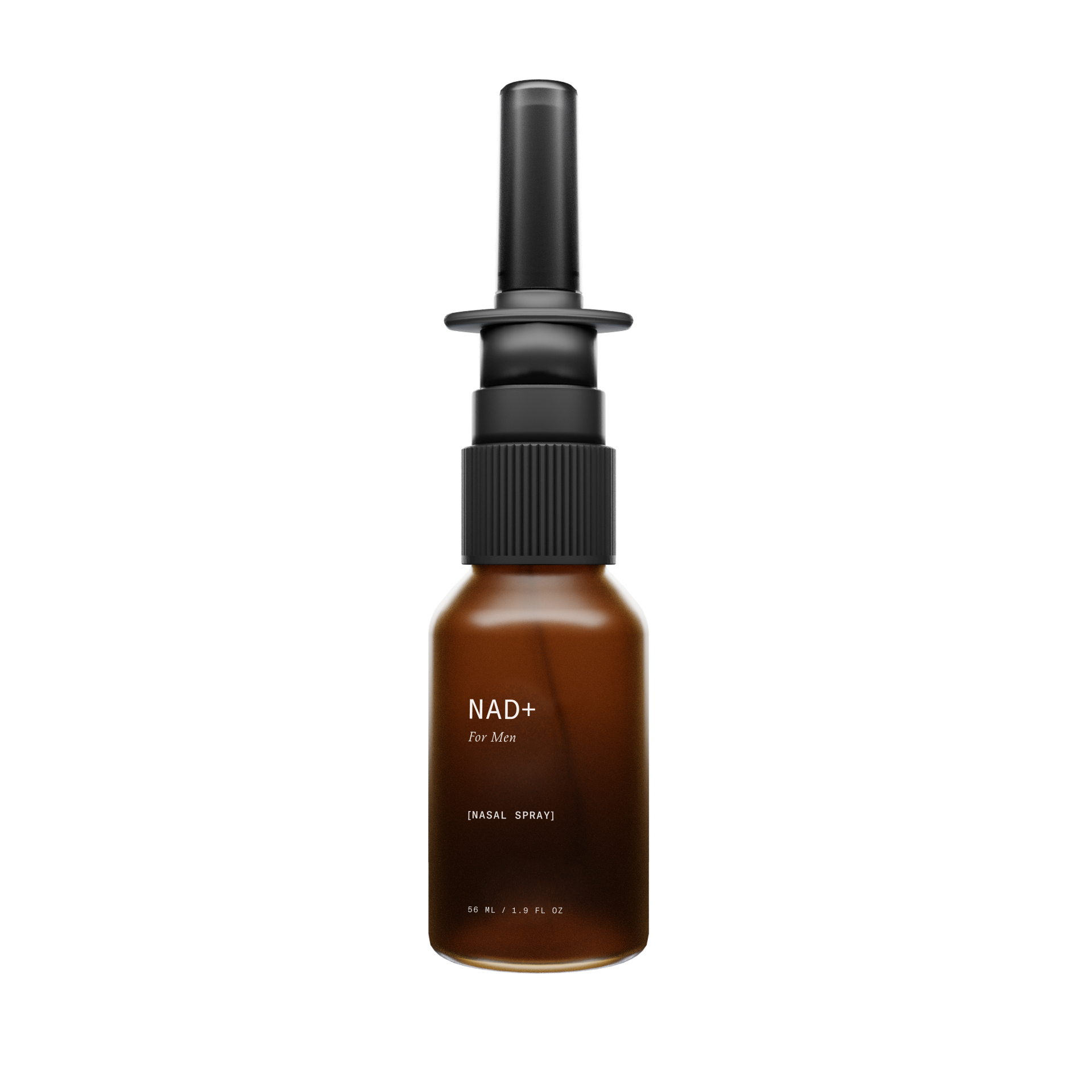
Compounded NAD+ injectable and nasal products are not FDA approved. Clinical evidence and long-term safety data for many wellness indications remain limited.
Common Side Effects
Injectable: injection-site pain or redness, flushing, nausea, headache, dizziness or fatigue.
Nasal: nasal burning, dryness or irritation, sneezing, headache or dizziness.
Warnings and Serious Risks
Serious allergic reactions are possible with any compounded medication. Safety can vary by formulation, concentration and excipients.
Do Not Use / Use With Caution
Tell your provider about pregnancy, breastfeeding, active cancer treatment, significant cardiovascular disease, uncontrolled chronic illness and all medications or supplements.
Administration
Joi + Blokes states that NAD+ injections are typically administered once weekly and NAD+ nasal spray may be used daily, generally one spray in each nostril. Follow the exact prescription label because dose and frequency may vary by treatment plan. Injectable and nasal formulations are not interchangeable.
Nasal Spray
Oxytocin is FDA approved in injectable form for certain obstetric uses. Compounded intranasal oxytocin for sexual wellness or mood-related use is not FDA approved.
Common Side Effects
- Nasal irritation
- Headache
- Nausea
- Dizziness
- Mood changes
- Changes in blood pressure may occur rarely
Warnings and Serious Risks
Oxytocin is a biologically active hormone and can affect uterine contractility and cardiovascular physiology. Safety information for compounded intranasal use differs from approved injectable obstetric products.
Do Not Use / Use With Caution
Tell your provider if pregnant, trying to become pregnant, breastfeeding, have significant cardiovascular disease, or are using other hormone-active medications.
Administration
Joi + Blokes states that oxytocin nasal spray is typically used as one spray in each nostril daily. Gently inhale while spraying and avoid blowing your nose immediately afterward. Follow the specific instructions on your prescription because dosing may vary.
Sirolimus is FDA approved for prevention of organ rejection in certain renal-transplant patients and for lymphangioleiomyomatosis. Use for longevity or healthspan is off-label.
Boxed Warning
FDA-approved sirolimus carries a boxed warning regarding immunosuppression, including increased susceptibility to infection and possible development of lymphoma and other malignancies. The label also contains specific warnings for liver- and lung-transplant patients.
Common Side Effects
- Mouth sores
- Headache
- Gastrointestinal upset
- Elevated cholesterol or triglycerides
- Swelling or edema
- High blood pressure
- Rash
Serious Risks
- Serious infection
- Impaired wound healing
- Significant lipid abnormalities
- Kidney problems
- Lung inflammation
- Blood-count abnormalities
- Increased cancer risk related to immunosuppression
Drug Interactions
Sirolimus is affected by CYP3A4 and P-glycoprotein. Strong inhibitors or inducers may significantly alter exposure. Grapefruit can increase sirolimus concentrations and should be avoided unless your clinician specifically advises otherwise.
Surgery and Vaccines
Tell your provider before surgery because sirolimus can impair wound healing. Discuss vaccinations with your clinician; live vaccines may be inappropriate during immunosuppressive therapy.
Joi + Blokes Administration and Monitoring
Joi + Blokes states that rapamycin is typically taken once weekly. Baseline laboratory testing and a clinician visit are required before treatment, with follow-up labs at approximately 3 months to assess safety and response.
Oxytocin + bremelanotide + tadalafil compounded troche. Joi + Blokes notes that formulation and dosing may vary by state. This compounded combination is not FDA approved.
Common Side Effects
Depending on the ingredients and dose, side effects may include:
- Nausea
- Headache
- Flushing
- Nasal or facial warmth
- Dizziness
- Indigestion
- Back or muscle pain
- Temporary blood-pressure changes
Critical Contraindications
Because the product contains tadalafil, do not use with nitrates, nitric-oxide donors or riociguat. Bremelanotide can transiently increase blood pressure and reduce heart rate and is contraindicated in patients with uncontrolled hypertension or known cardiovascular disease under its FDA-approved labeling.
Serious Risks
Seek emergency care for chest pain, severe hypotension, an erection lasting more than 4 hours, sudden vision or hearing loss, or signs of a serious allergic reaction.
Pregnancy
Because this compounded product contains hormone-active ingredients, patients who are pregnant or may become pregnant should discuss use with their clinician before treatment.
Nasal Spray
Compounded vasoactive intestinal peptide (VIP) nasal spray is not FDA approved for wellness, immune, inflammatory, gut-health or longevity indications.
Common Side Effects
- Nasal irritation
- Headache
- Dizziness
- Fatigue
- Flushing
- Changes in blood pressure may occur rarely
Warnings and Serious Risks
VIP is a vasoactive peptide and may affect blood pressure and vascular tone. Long-term safety data for compounded intranasal wellness use are limited.
Do Not Use / Use With Caution
Tell your provider about low blood pressure, cardiovascular disease, pregnancy, breastfeeding, active cancer treatment and all medications.
Administration
Joi + Blokes states that VIP nasal spray may be used up to 4 sprays per day, spread throughout the day as directed. Follow the exact prescription label because dosing may vary.
Capsule
Vitamin D is available in dietary-supplement and prescription strengths. Safety depends on dose and duration.
Common Side Effects
Vitamin D is generally well tolerated at appropriate doses.
Excess Vitamin D / Hypercalcemia
Excessive vitamin D can cause dangerously high calcium levels. Symptoms may include:
- Nausea or vomiting
- Constipation
- Weakness
- Confusion
- Excessive thirst or urination
- Kidney stones
- Abnormal heart rhythm in severe cases
Drug Interactions
Tell your clinician about thiazide diuretics, digoxin, calcium supplements, high-dose vitamin A, corticosteroids and other vitamin-D products.
Monitoring
High-dose or long-term therapy may require monitoring of 25-hydroxyvitamin D, calcium and kidney function.
General Supplement Safety Information
Joi + Blokes dietary supplements are not intended to diagnose, treat, cure or prevent disease. Statements regarding dietary supplements have not been evaluated by the FDA.
Joi + Blokes notes that its blended supplements are generally well tolerated, but digestive upset, headache, or sensitivity to particular herbs or nutrients may occur. Supplements can interact with prescription and over-the-counter medications, and taking excessive amounts of some nutrients can cause harm, particularly fat-soluble vitamins and certain minerals.
Do not exceed the labeled serving size. Tell your healthcare provider about all supplements you use, particularly if you take prescription medications, are pregnant or breastfeeding, have liver or kidney disease, have a bleeding disorder, or are preparing for surgery. Stop use and seek medical care for signs of a serious allergic reaction.
Balance Supplement
Formula includes hormone-active and botanical ingredients including DHEA, L-arginine, turmeric, reishi, selenium, zinc and biotin. DHEA may affect sex-hormone levels. L-arginine may affect blood pressure. Turmeric and some botanicals may affect bleeding risk. Biotin can interfere with certain laboratory tests. Tell your clinician and laboratory personnel that you take biotin before blood testing.
Creatine Supplement
Creatine may cause water-weight gain, bloating or gastrointestinal upset. Use caution in patients with kidney disease or conditions requiring fluid restriction. Tell your clinician before creatinine-based kidney testing because creatine use may affect interpretation.
Focus Supplement
Formula contains nootropic and adaptogenic ingredients including L-tyrosine, bacopa, L-theanine, alpha-GPC and rhodiola. Use caution with stimulants, thyroid medication, monoamine oxidase inhibitors, sedatives and psychiatric medications. Stop use for palpitations, severe anxiety, rash or persistent gastrointestinal symptoms.
GLP-1 Assist Supplement
Contains ingredients including berberine, chromium, alpha-lipoic acid, green-tea extract, cinnamon, L-theanine, ginger and CoQ10. Several ingredients can affect blood glucose. Patients using insulin, sulfonylureas, metformin or GLP-1 medications should discuss the supplement with their clinician. Green-tea extract may contain caffeine.
Gut Health Supplement
Contains zinc carnosine, glutamine, quercetin, licorice root and probiotics. Licorice-containing products may affect blood pressure, potassium and certain medications depending on the type and amount of glycyrrhizin. Patients who are severely immunocompromised should discuss probiotic use with a clinician.
Hair Support Supplement
Contains biotin, zinc, selenium, saw palmetto, hydrolyzed keratin and bamboo extract. Biotin can interfere with certain laboratory assays, including some thyroid and cardiac tests. Saw palmetto may affect hormone pathways and may not be appropriate during pregnancy.
Levels Supplement
Because Levels contains multiple hormone-support and botanical ingredients, patients using testosterone therapy, fertility medications, blood-pressure medication, anticoagulants or other hormone-active products should review the complete Supplement Facts panel with their clinician.
Longevity Supplement
Formula includes antioxidant and botanical ingredients including CoQ10, quercetin, astaxanthin, turmeric, Japanese knotweed and Arjuna bark. Some ingredients may affect anticoagulant/antiplatelet therapy, blood pressure or drug metabolism.
Sexual Performance Supplement
Contains ingredients intended to support circulation and energy, including maca, ginseng and L-citrulline. Use caution with nitrates, ED medications, blood-pressure medications, anticoagulants and significant cardiovascular disease.
Sleep Supplement
Contains magnesium glycinate, glycine, lemon balm, tart cherry, L-theanine and PharmaGABA®. May increase drowsiness when combined with alcohol, sleep medications, sedating antihistamines, benzodiazepines or other sedatives. Do not drive or operate machinery if drowsy.
Thyroid Support Supplement
Contains iodine, selenium, zinc, vitamin B12, magnesium and other ingredients involved in thyroid pathways. Minerals may reduce absorption of levothyroxine and certain antibiotics. Joi + Blokes currently advises separating thyroid hormone medication from this supplement. Patients with thyroid disease should use it under clinician guidance.
Smart Supplement
Smart Supplement packs contain multiple nutrients and botanicals. Safety depends on the specific pack configuration. Patients should review the complete ingredient list for duplicate vitamins/minerals and interactions with prescription medications.
Estriol 0.3% compounded topical cream.
Common Side Effects
- Local redness
- Irritation
- Itching
- Dryness
- Breast tenderness or hormonal symptoms in some patients
Important Safety Information
This is a compounded prescription estrogen-containing skin product and is not FDA approved for cosmetic skin-aging indications. Avoid eyes, mouth and broken skin. Tell your provider about unexplained vaginal bleeding, estrogen-sensitive cancer, blood clots, liver disease and pregnancy.
Administration
Joi + Blokes states that Essentials Face Cream is typically applied once daily. Apply only as prescribed.
GHK-Cu 0.5% compounded topical cream.
Common Side Effects
- Redness
- Itching
- Burning or tingling
- Dryness or local irritation
Important Safety Information
Compounded GHK-Cu cream is not FDA approved to treat, prevent or cure disease or for anti-aging indications. Avoid use on infected or broken skin and avoid contact with eyes and mucous membranes unless specifically directed.
Administration and Storage
Joi + Blokes states that GHK-Cu Face Cream is typically applied once daily and should be refrigerated to maintain stability and potency.
Estriol/GHK-Cu/hyaluronic acid/niacinamide 0.3%/0.3%/0.2%/0.5%.
Common Side Effects
- Local redness or irritation
- Itching
- Dryness
- Tingling
- Hormone-related symptoms such as breast tenderness or spotting may occur with estrogen exposure
Important Safety Information
This compounded combination is not FDA approved for cosmetic or anti-aging indications. Because it contains estriol, patients with estrogen-sensitive conditions, unexplained vaginal bleeding, thromboembolic disease, liver disease or pregnancy should discuss use with their clinician.
Administration
Joi + Blokes states that its skin creams are generally applied once daily to clean, dry skin on the face, neck and chest. When layering skincare, Luxe RX is applied after lighter serums and before heavier creams or oils. Follow the prescription label.
Ketoprofen/Baclofen/Menthol/NAD+/L-Carnitine 10%/2%/2%/0.5%/1%.
Common Side Effects
- Redness
- Burning
- Cooling sensation
- Itching
- Local irritation
Warnings
Ketoprofen is an NSAID and can cause allergic reactions, gastrointestinal, kidney and cardiovascular adverse effects if systemically absorbed. Topical ketoprofen can also cause photosensitivity. Avoid broken skin, eyes, mucous membranes, heating pads and occlusive dressings unless specifically directed.
Do Not Use / Use With Caution
Tell your clinician about NSAID or aspirin allergy, asthma triggered by aspirin/NSAIDs, anticoagulant use, kidney disease, ulcers, cardiovascular disease and pregnancy.
Sildenafil 2% / Theophylline 3% / Pentoxifylline 2% / L-Arginine 6% compounded topical cream.
Common Side Effects
- Local burning, warmth or irritation
- Redness
- Headache
- Dizziness
- Flushing
Warnings
The combination is compounded and not FDA approved. Because it includes sildenafil and other vasoactive ingredients, systemic absorption could potentially lower blood pressure or interact with nitrates, other PDE5 inhibitors, blood-pressure medications and certain cardiovascular drugs.
Use
For external/local use only as prescribed. Avoid broken skin and discontinue for severe irritation, fainting, chest pain, vision/hearing changes or allergic reaction.
General Laboratory-Test Safety Information
Laboratory testing does not diagnose or rule out disease by itself. Results must be interpreted in the context of symptoms, medical history, medications, supplements, collection method and the laboratory’s reference ranges.
Potential risks of blood collection include temporary pain, bruising, bleeding, lightheadedness, fainting, infection and, rarely, nerve injury. Patients taking anticoagulants or with bleeding disorders should tell the person collecting the specimen.
Joi + Blokes Lab Preparation
For Joi + Blokes blood panels, the knowledge base currently advises:
- Fast for 12 hours before the draw.
- Morning collection is preferred for convenience, although the knowledge base states any time is acceptable if the 12-hour fast is maintained.
- Avoid supplements for at least 24 hours before the draw.
- Avoid alcohol for at least 24 hours.
- Avoid strenuous exercise for 2 days.
- Stay well hydrated.
- Continue prescribed medications as directed by your clinician. Contact the prescribing provider before holding or changing any prescription medication.
Collection errors, fasting status, hydration, timing, medications, supplements, recent exercise and sample handling can affect results. Abnormal or unexpected results should be discussed with a licensed clinician.
Female Advanced Hormone, Metabolic & Thyroid Panel
Use the general blood-test safety information above. Add panel-specific preparation requirements, fasting instructions, medication/supplement restrictions and timing relative to menstrual cycle or hormone dosing if applicable.
Female Complete Hormone Panel
Use the general blood-test safety information above. Clearly state whether hormone medications should be taken normally or held before collection. Do not instruct a patient to stop prescription medication without clinician guidance.
Female Comprehensive Panel
Use the general blood-test safety information above. Because this panel includes multiple biomarker categories, explain that an isolated abnormal result does not independently establish a diagnosis.
Male Advanced Hormone, Metabolic & Thyroid Panel
Use the general blood-test safety information above. Standardize collection timing for testosterone and other time-sensitive biomarkers when clinically required.
Male Complete Hormone Panel
Use the general blood-test safety information above. Note any timing requirements for testosterone injections, creams, enclomiphene or other hormone therapies.
Male Comprehensive Panel
Use the general blood-test safety information above. Include medication, fasting and collection-timing instructions specific to the ordered panel.
Food Sensitivity Test
Joi + Blokes explicitly states that its food-sensitivity test is not an allergy test and does not screen for food allergies. It is intended to identify potential food sensitivities, which involve different biological responses and may be delayed or less severe than allergic reactions.
Results should not be used alone to diagnose a food allergy. Patients with suspected immediate allergic reactions, anaphylaxis or serious food allergy should seek evaluation from a qualified allergy specialist. Do not intentionally consume a food that has caused a serious reaction for the purpose of testing.
At-home Hormone Lab Test
At-home capillary blood collection may cause temporary pain, bruising, bleeding, skin irritation, dizziness or fainting. Follow the device instructions exactly and contact support if the specimen cannot be collected or is visibly compromised.
At-home Longevity Lab Test
Use the same at-home blood collection precautions as above. Biomarker interpretation should be performed by a qualified clinician and should not rely on a single result in isolation.
At-Home Gut Health Test
Stool collection is non-invasive but requires careful hygiene and correct sample handling. Follow the kit instructions. Wash hands thoroughly after collection. Results describe measured microbial markers and should not be interpreted as a diagnosis of gastrointestinal disease without clinical evaluation.
Joi + Blokes currently describes its liraglutide product as a compounded formulation. Compounded liraglutide is not FDA approved. FDA-approved liraglutide products have established labeling that informs class-related safety considerations.
Important Warning
Liraglutide products carry a boxed warning concerning thyroid C-cell tumors observed in rodents. The human relevance is unknown. Do not use in patients with a personal or family history of medullary thyroid carcinoma or MEN 2.
Common Side Effects
- Nausea
- Diarrhea
- Constipation
- Vomiting
- Decreased appetite
- Injection-site reactions
Serious Risks
Potential serious risks include pancreatitis, gallbladder disease, dehydration-related kidney injury, severe allergic reactions, increased heart rate and hypoglycemia when used with insulin or insulin secretagogues.
Pregnancy
Weight-loss therapy should not be used during pregnancy. Tell your provider if pregnant, planning pregnancy, or breastfeeding.
Warning: Risk of Thyroid C-Cell Tumors
- In rats, Zepbound® (tirzepatide) caused thyroid tumors, including thyroid cancer. It is not known if Zepbound® (tirzepatide) will cause thyroid tumors or a type of thyroid cancer called medullary thyroid carcinoma (MTC) in people. Tell your provider if you get a lump or swelling in your neck, hoarseness, trouble swallowing, or shortness of breath. These may be symptoms of thyroid cancer.
- Do not use Zepbound® (tirzepatide) if you or any of your family have ever had a type of thyroid cancer called medullary thyroid carcinoma (MTC) or if you have an endocrine system condition called Multiple Endocrine Neoplasia syndrome type 2 (MEN 2).
What is the FDA-approved use of Zepbound® (tirzepatide)?
Zepbound® (tirzepatide) is used along with a reduced-calorie diet and increased physical activity for chronic weight management in adults with an initial body mass index (BMI) of:
- 30 kg/m^2 or greater (obesity), or
- 27 kg/m^2 or greater (overweight) in the presence of at least one weight-related comorbid condition (e.g., hypertension, dyslipidemia, type 2 diabetes mellitus, obstructive sleep apnea, or cardiovascular disease).
Limitations of Use
- Zepbound® (tirzepatide) should not be used in combination with other tirzepatide-containing products or any other GLP-1 receptor agonist.
- The safety and efficacy of coadministration with other products for weight management have not been established.
- Zepbound® (tirzepatide) has not been studied in patients with a history of pancreatitis.
Who should not use Zepbound® (tirzepatide)?
Do not use Zepbound® (tirzepatide) if:
- You or any of your family have ever had a type of thyroid cancer called medullary thyroid carcinoma (MTC) or if you have Multiple Endocrine Neoplasia syndrome type 2 (MEN 2).
- You have a known allergic reaction to Zepbound® (tirzepatide).
How should I take Zepbound® (tirzepatide)?
You can take Zepbound® with or without food. The pre-filled injector pen is self-administered as a subcutaneous injection in the stomach, thigh, or upper arm once a week on the same day every week. Your Joi+Blokes provider will guide you on a treatment regimen that may include an increase in dose every four weeks.
You should not change your dosing regimen or stop taking Zepbound® (tirzepatide) as prescribed without discussing with your provider first.
What should I tell my Joi+Blokes provider before using Zepbound® (tirzepatide)?
Zepbound® (tirzepatide) has certain drug interactions. It’s important to tell your Joi and Blokes provider all of the medications you are currently taking, including prescription, over-the-counter medications, vitamins, and herbal and dietary supplements.
Some medications to watch out for include:
- Medications for diabetes: Medications used to treat type 1 or type 2 diabetes, including insulin or sulfonylureas (such as Amaryl or Glucotrol XL).
- Other oral medications: Zepbound® (tirzepatide) causes a delay in gastric emptying, so it has the potential to impact the absorption of medications that are taken by mouth at the same time. Your provider can guide you on how to schedule your medications.
- Hormonal birth control: If you are using an oral hormonal contraceptive (birth control), Zepbound® (tirzepatide) may decrease its efficacy, especially after the first dose. Switch to a non-oral contraceptive method or use a barrier method of contraception for 4 weeks after starting Zepbound® (tirzepatide) and for 4 weeks after each dose escalation, until you reach a maintenance dose.
- Other GLP-1 medications, including WeGovy® (semaglutide), Ozempic® (semaglutide), Saxenda® (liraglutide), Zepbound® (tirzepatide), Mounjaro® (tirzepatide), Victoza® (liraglutide), Byetta® (exenatide), or Bydureon® (exenatide).
- Other products for weight loss: Including dietary supplements.
It’s important to share your entire medical history with your provider. In particular, tell your provider if you have a past history of:
- Type 1 or type 2 diabetes
- Thyroid cancer
- Gastrointestinal disease
- Pancreatitis
- Kidney disease
- Diabetic retinopathy
- Depression
- Suicidal thoughts or behavior
Tell your provider if you are pregnant, planning to become pregnant, or breastfeeding.
- If you are pregnant: Zepbound® (tirzepatide) should not be used during pregnancy. Based on animal studies, there may be potential risks to an unborn baby from exposure to Zepbound® (tirzepatide) during pregnancy. There is no benefit to weight loss during pregnancy and it may cause harm to the unborn baby.
- If you are a female reproductive potential: Zepbound® (tirzepatide) may reduce the efficacy of oral hormonal contraceptives. Switch to a non-oral contraceptive method, or add a barrier method of contraception for 4 weeks after starting medication and for 4 weeks after each dose escalation until you reach a maintenance dose.
- If you are breastfeeding: It is not known if Zepbound® (tirzepatide) passes into breast milk. Talk to your provider first about the benefits and risks of using Zepbound® (tirzepatide) while breastfeeding.
- Pregnancy registry: There will be a pregnancy exposure registry that monitors pregnancy outcomes in women exposed to Zepbound® (tirzepatide) during pregnancy. Pregnant patients exposed to Zepbound® (tirzepatide) and healthcare providers are encouraged to contact Eli Lilly and Company at 1-800-LillyRx (1-800-545-5979).
Withholding or providing inaccurate information about your health and medical history in order to obtain treatment may result in harm, including, in some cases, death.
What are the most serious side effects that I or a caregiver should monitor for when taking Zepbound® (tirzepatide)?
If you are experiencing a medical emergency, call 911 or seek immediate medical attention.
These serious side effects are rare, but can occur with Zepbound® (tirzepatide). You or a caregiver should carefully monitor for these side effects, especially in the beginning of treatment and with dose changes.
- Thyroid C-Cell Tumors: In rats, Zepbound® (tirzepatide) caused a dose-dependent and treatment-duration-dependent increase in thyroid C-cell tumors. It is unknown whether Zepbound® (tirzepatide) causes thyroid C-cell tumors in humans. Zepbound® (tirzepatide) is contraindicated in patients with a family history of medullary thyroid cancer (MTC) or in patients with Multiple Endocrine Neoplasia syndrome type 2 (MEN 2). Tell your provider if you get a lump or swelling in your neck, hoarseness, trouble swallowing, or shortness of breath. These may be symptoms of thyroid cancer.
- Severe Gastrointestinal Disease: Zepbound® (tirzepatide) is associated with gastrointestinal side effects, such as nausea, diarrhea, vomiting, constipation, and stomach pain, and can sometimes be severe. It hasn’t been studied in patients with severe gastrointestinal disease and isn’t recommended in these patients. The majority of nausea, vomiting, and/or diarrhea events occurred during a dose increase and decreased over time.
- Acute Kidney Injury: Gastrointestinal side effects of Zepbound® (tirzepatide) like diarrhea, nausea, and vomiting may cause a loss of fluids (dehydration), which may cause kidney problems if dehydration is severe. It is important for you to drink plenty of water to help reduce your chance of dehydration.
- Acute Gallbladder Disease: Zepbound® (tirzepatide), other GLP-1 receptor agonists, and weight loss are associated with an increased chance of acute gallbladder disease. Tell your provider right away if you have pain in your upper stomach, yellowing of skin or eyes (jaundice), fever, or clay-colored stools.
- Inflammation of Pancreas (Acute Pancreatitis): Monitor for signs of acute pancreatitis, including severe abdominal pain that does not go away, sometimes radiating to the back, with or without vomiting.
- Allergic Reactions: Stop using Zepbound® (tirzepatide) right away if you experience symptoms of a serious allergic reaction, including swelling of your face, lips, tongue or throat, severe rash or itching, very rapid heartbeat, problems breathing or swallowing, or fainting or feeling dizzy.
- Low Blood Sugar (Hypoglycemia): Zepbound® (tirzepatide) lowers blood glucose. It can cause too low blood sugar in patients with type 2 diabetes who also take another glucose control medication. Monitor your blood sugar and watch out for signs of too low blood sugar such as dizziness, blurred vision, mood changes, sweating, or fast heartbeat.
- Diabetic Retinopathy Complications in Patients with a History of Diabetic Retinopathy: Rapid improvement of glucose control has been associated with temporary worsening of diabetic retinopathy. Tell your provider right away if you experience changes in vision.
- Suicidal Behavior and Ideation: You should pay attention to any mental health changes, especially sudden changes in your mood, behaviors, thoughts, or feelings. Call your healthcare provider right away if you have any mental changes that are new, worse, or worry you.
- Never Share a Pen: Pen-sharing poses a risk of infection.
What are the most common side effects of Zepbound® (tirzepatide)?
- Nausea
- Diarrhea
- Vomiting
- Constipation
- Stomach pain
- Indigestion
- Injection site reactions
- Feeling tired
- Allergic reactions
- Belching
- Hair loss
- Gastroesophageal reflux disease (heartburn)
You are encouraged to report negative side effects of prescription products to the FDA. Visit www.fda.gov/medwatch or call 1-800-FDA-1088.
This information is not comprehensive. Please see the full Prescribing Information for complete safety information.
Disclaimer: Ozempic®, WeGovy®, Saxenda® and Victoza® are registered trademarks of Novo Nordisk. Zepbound® and Mounjaro® are registered trademarks of Eli Lilly. Byetta® and Bydureon® are registered trademarks of Amylin Pharmaceuticals. Joi+Blokes has no affiliation with Novo Nordisk, Eli Lilly or Amylin Pharmaceuticals. The compounded products available as part of Joi+Blokes Weight Loss Program are not made by Novo Nordisk, Eli Lilly or Amylin Pharmaceuticals or any company affiliated with Novo Nordisk, Eli Lilly or Amylin Pharmaceuticals.
Warning: Risk of Thyroid C-Cell Tumors
Ozempic® (semaglutide) may cause serious side effects, including: possible thyroid tumors, including cancer. Tell your health care provider if you get a lump or swelling in your neck, hoarseness, trouble swallowing, or shortness of breath. These may be symptoms of thyroid cancer. In studies with rodents, Ozempic® (semaglutide) and medicines that work like Ozempic® (semaglutide) caused thyroid tumors, including thyroid cancer. It is not known if Ozempic® (semaglutide) will cause thyroid tumors or a type of thyroid cancer called medullary thyroid carcinoma (MTC) in people.
Do not use Ozempic® (semaglutide) if you or any of your family have ever had MTC, or if you have an endocrine system condition called Multiple Endocrine Neoplasia syndrome type 2 (MEN 2).
What is the FDA-approved use of Ozempic® (semaglutide)?
Ozempic® (semaglutide) injection 0.5 mg, 1 mg, or 2 mg is an injectable prescription medicine used:
- Along with diet and exercise to improve blood sugar (glucose) in adults with type 2 diabetes.
- To reduce the risk of major cardiovascular events such as heart attack, stroke, or death in adults with type 2 diabetes with known heart disease.
Limitations of Use
- It is not known if Ozempic® (semaglutide) can be used in people who have had pancreatitis.
Ozempic® (semaglutide) is not for use in people with type 1 diabetes. - It is not known if Ozempic® (semaglutide) is safe and effective for use in children under 18 years of age.
Who should not use Ozempic® (semaglutide)?
Do not use Ozempic® (semaglutide) if:
- You or any of your family have ever had MTC or if you have MEN 2.
- You are allergic to semaglutide or any of the ingredients in Ozempic®. See symptoms of serious allergic reaction in “What are the possible side effects of Ozempic®?”.
How should I take Ozempic® (semaglutide)?
You can take Ozempic® (semaglutide) with or without food. The pre-filled injector pen is self-administered as a subcutaneous injection in the stomach, thigh, or upper arm once a week on the same day every week. You should change your injection site each week. Do not use the same site for each injection. Your Joi+Blokes provider will guide you on a treatment regimen that may include an increase in dose every four weeks.
You should not change your dosing regimen or stop taking Ozempic® (semaglutide) as prescribed without discussing with your provider first. If you take too much Ozempic® (semaglutide), call your healthcare provider or seek medical advice promptly.
What should I discuss with my Joi and Blokes provider before using Ozempic® (semaglutide)?
- Ozempic® (semaglutide) has certain drug interactions. It’s important to tell your Remedy Meds provider all of the medications you are currently taking, including prescription, over-the-counter medications, vitamins, and herbal and dietary supplements.
- Your healthcare provider should show you how to use Ozempic® (semaglutide) before you use it for the first time.
- Talk to your healthcare provider about low blood sugar and how to manage it.
- have or have had problems with your pancreas or kidneys.
- have a history of diabetic retinopathy.
- Are pregnant or breastfeeding or plan to become pregnant or breastfeed. It is not known if Ozempic® (semaglutide) will harm your unborn baby or passes into your breast milk. You should stop using Ozempic® (semaglutide) 2 months before you plan to become pregnant.
Some medications to watch out for include:
- Medications for diabetes: Other medications used to treat type 1 or type 2 diabetes, including insulin or sulfonylureas (such as Amaryl or Glucotrol XL)
- Other oral medications: Ozempic® (semaglutide) causes a delay in gastric emptying, so it has the potential to impact the absorption of medications that are taken by mouth at the same time. Your provider can guide you on how to schedule your medications.
- Other GLP-1 medications, including WeGovy® (semaglutide), Ozempic® (semaglutide), Saxenda® (liraglutide), Zepbound® (tirzepatide), Mounjaro® (tirzepatide), Victoza® (liraglutide), Byetta® (exenatide), or Bydureon® (exenatide).
- Hormonal birth control: Other GLP-1 medications have been shown to potentially decrease the efficacy of oral birth control pills. If you are using an oral hormonal contraceptive (birth control), Ozempic® (semaglutide) may decrease its efficacy, especially after the first dose. Switch to a non-oral contraceptive method or use a barrier method of contraception for 4 weeks after starting Ozempic® (semaglutide) and for 4 weeks after each dose escalation, until you reach a maintenance dose.
- Other GLP-1 medications: Including Zepbound® (tirzepatide), Mounjaro® (tirzepatide), Wegovy® (semaglutide), Saxenda® (liraglutide), Victoza® (liraglutide), Byetta® (exenatide), Bydureon® (exenatide), or compound GLP-1 formularies. These medications should not be taken with Ozempic® (semaglutide).
- Other products for weight loss: Including dietary supplements
It’s important to share your entire medical history with your provider. In particular, tell your provider if you have a past history of:
- Type 1 or type 2 diabetes
- Thyroid cancer
- Gastrointestinal disease
- Pancreatitis
- Kidney disease
- Diabetic retinopathy
- Depression
- Suicidal thoughts or behavior
Tell your provider if you are pregnant, planning to become pregnant, or breastfeeding.
- If you are pregnant: Ozempic® (semaglutide) should not be used during pregnancy. Based on animal studies, there may be potential risks to an unborn baby from exposure to Ozempic® (semaglutide) during pregnancy. There is no benefit to weight loss during pregnancy and it may cause harm to the unborn baby.
- If you are a female reproductive potential: Ozempic® (semaglutide) may reduce the efficacy of oral hormonal contraceptives. Switch to a non-oral contraceptive method, or add a barrier method of contraception for 4 weeks after starting medication and for 4 weeks after each dose escalation until you reach a maintenance dose.
- If you are breastfeeding: It is not known if Ozempic® (semaglutide) passes into breast milk. Talk to your provider first about the benefits and risks of using Ozempic® (semaglutide) while breastfeeding.
Withholding or providing inaccurate information about your health and medical history in order to obtain treatment may result in harm, including, in some cases, death.
What are the most serious side effects that I or a caregiver should monitor for when taking Ozempic® (semaglutide)?
If you are experiencing a medical emergency, call 911 or seek immediate medical attention.
These serious side effects are rare, but can occur with Ozempic® (semaglutide). You or a caregiver should carefully monitor for these side effects, especially in the beginning of treatment and with dose changes.
- Thyroid C-Cell Tumors: In rats, Ozempic® (semaglutide) caused a dose-dependent and treatment-duration-dependent increase in thyroid C-cell tumors. It is unknown whether Ozempic® (semaglutide) causes thyroid C-cell tumors in humans. Ozempic® (semaglutide) is contraindicated in patients with a family history of medullary thyroid cancer (MTC) or in patients with Multiple Endocrine Neoplasia syndrome type 2 (MEN 2). Tell your provider if you get a lump or swelling in your neck, hoarseness, trouble swallowing, or shortness of breath. These may be symptoms of thyroid cancer.
- Severe Gastrointestinal Disease: Ozempic® (semaglutide) is associated with gastrointestinal side effects, such as nausea, diarrhea, vomiting, constipation, and stomach pain, and can sometimes be severe. It hasn’t been studied in patients with severe gastrointestinal disease and isn’t recommended in these patients. The majority of nausea, vomiting, and/or diarrhea events occurred during a dose increase and decreased over time.
- Acute Kidney Injury: Gastrointestinal side effects of Zepbound® (tirzepatide) like diarrhea, nausea, and vomiting may cause a loss of fluids (dehydration), which may cause kidney problems if dehydration is severe. It is important for you to drink plenty of water to help reduce your chance of dehydration.
- Acute Gallbladder Disease: Zepbound® (tirzepatide), other GLP-1 receptor agonists, and weight loss are associated with an increased chance of acute gallbladder disease. Tell your provider right away if you have pain in your upper stomach, yellowing of skin or eyes (jaundice), fever, or clay-colored stools.
- Inflammation of your pancreas (pancreatitis): Stop using Ozempic® (semaglutide) and call your health care provider right away if you have severe pain in your stomach area (abdomen) that will not go away, with or without vomiting. You may feel the pain from your abdomen to your back.
- Low Blood Sugar (Hypoglycemia): Your risk for getting low blood sugar may be higher if you use Ozempic® (semaglutide) with another medicine that can cause low blood sugar, such as a sulfonylurea or insulin. Signs and symptoms of low blood sugar may include: dizziness or lightheadedness, blurred vision, anxiety, irritability or mood changes, sweating, slurred speech, hunger, confusion or drowsiness, shakiness, weakness, headache, fast heartbeat, and feeling jittery.
- Kidney problems (kidney failure): In people who have kidney problems, diarrhea, nausea, and vomiting may cause a loss of fluids (dehydration), which may cause kidney problems to get worse. It is important for you to drink fluids to help reduce your chance of dehydration.
- Serious allergic reactions: Stop using Ozempic® (semaglutide) and get medical help right away if you have any symptoms of a serious allergic reaction, including swelling of your face, lips, tongue, or throat; problems breathing or swallowing; severe rash or itching; fainting or feeling dizzy; or very rapid heartbeat.
- Gallbladder problems: Gallbladder problems have happened in some people who take Ozempic® (semaglutide). Tell your health care provider right away if you get symptoms which may include: pain in your upper stomach (abdomen), fever, yellowing of the skin or eyes (jaundice), or clay-colored stools.
- Severe stomach problems: Stomach problems, sometimes severe, have been reported in people who use Ozempic® (semaglutide). Tell your healthcare provider if you have stomach problems that are severe or will not go away.
- Changes in vision: Tell your healthcare provider if you have changes in vision during treatment with Ozempic® (semaglutide).
- Diabetic Retinopathy Complications in Patients with a History of Diabetic Retinopathy: Rapid improvement of glucose control has been associated with temporary worsening of diabetic retinopathy. Tell your provider right away if you experience changes in vision.
- Suicidal Behavior and Ideation: You should pay attention to any mental health changes, especially sudden changes in your mood, behaviors, thoughts, or feelings. Call your healthcare provider right away if you have any mental changes that are new, worse, or worry you.
- Never Share a Pen: Pen-sharing poses a risk of infection.
What are the most common side effects of Ozempic® (semaglutide)?
- Nausea
- Diarrhea
- Vomiting
- Constipation
- Stomach pain
- Indigestion
- Injection site reactions
- Feeling tired
- Allergic reactions
- Belching
- Hair loss
- Gastroesophageal reflux disease (heartburn)
You are encouraged to report negative side effects of prescription products to the FDA. Visit www.fda.gov/medwatch or call 1-800-FDA-1088.
This information is not comprehensive. Please see the full Prescribing Information for complete safety information.
Disclaimer: Ozempic®, WeGovy®, Saxenda® and Victoza® are registered trademarks of Novo Nordisk. Zepbound® and Mounjaro® are registered trademarks of Eli Lilly. Byetta® and Bydureon® are registered trademarks of Amylin Pharmaceuticals. Joi+Blokes has no affiliation with Novo Nordisk, Eli Lilly or Amylin Pharmaceuticals. The compounded products available as part of Joi+Blokes Weight Loss Program are not made by Novo Nordisk, Eli Lilly or Amylin Pharmaceuticals or any company affiliated with Novo Nordisk, Eli Lilly or Amylin Pharmaceuticals.
The following information is provided for general educational purposes only and is not intended to promote any specific product.
Important Safety Information for Compounded GLP-1
Your medical provider may recommend a specific dosage or formulation of compounded semaglutide based on your individual medical needs. Compounded drugs are not FDA approved and are not evaluated for safety, effectiveness, or quality standards by the FDA.
This page contains a summary of general information for educational purposes and does NOT include all possible information and potential side effects of the product. This is not medical advice and does NOT substitute advice from your health care provider.
Compounded drugs are permitted to be prescribed under state and federal law in certain circumstances. Your provider will determine whether compounded semaglutide is right for you following your medical evaluation.
This page contains a summary of product general information for educational purposes and does NOT include have all possible information and potential side effects of the product. This is not medical advice and does NOT substitute advice from your health care provider.
- Compounded GLP-1 is an injectable prescription medicine.
- Compounded GLP-1 should not be used with other GLP-1-containing products or any other GLP-1/GIP receptor agonist medicines. It is not known if compounded semaglutide is safe and effective when taken with other prescription, over-the-counter, or herbal weight loss products. It is not known if compounded semaglutide can be used in people who have had pancreatitis. Speak with your medical provider for more information.
Important Safety Information for Compounded GLP-1 injection
Warning: Risk of Thyroid C-Cell Tumors
- Tell your provider if you get a lump or swelling in your neck, hoarseness, trouble swallowing, or shortness of breath. These may be symptoms of thyroid cancer.
- Do not use compounded semaglutide if you or any of your family have ever had a type of thyroid cancer called medullary thyroid carcinoma (MTC) or if you have an endocrine system condition called Multiple Endocrine Neoplasia syndrome type 2 (MEN 2).
Is Compounded GLP-1 (semaglutide) FDA-approved?
Compounded semaglutide is not FDA approved and does not undergo the same rigorous efficacy and safety checks as FDA-approved medications. Compounded semaglutide is a glucagon-like peptide-1 (GLP-1) receptor agonist which may be prescribed along with a reduced calorie diet and increased physical activity, based on your individual medical needs and goals.
Limitations of Use:
- Compounded GLP-1 should not be used in combination with other semaglutide-containing products or any other GLP-1/GIP receptor agonist medicines.
- The safety and efficacy of coadministration with other products for weight loss have not been established.
- Compounded semaglutide has not been studied in patients with a history of pancreatitis.
Note: Compounded medications are not FDA approved and do not have indications for treatment as an FDA approved medication would.
Who should not use compounded GLP-1?
Do not use compounded semaglutide if:
- You or any of your family have ever had a type of thyroid cancer called medullary thyroid carcinoma (MTC) or if you have an endocrine system condition called Multiple Endocrine Neoplasia syndrome type 2 (MEN 2).
- You have a known allergic reaction to compounded semaglutide.
How should compounded GLP-1 be administered?
- Follow your provider’s instructions when taking this medication. Generally, you can take compounded semaglutide with or without food. The pre-filled vial is self-administered with a needle and syringe as a subcutaneous injection in the stomach, thigh, or upper arm once a week on the same day every week. Your provider will guide you on a treatment regimen that may include an increase in dose every four weeks, or a decrease depending on your clinical needs.
- You should not change your dosing regimen or stop taking compounded semaglutide as prescribed without discussing with your provider first.
What should I tell my provider before using compounded GLP-1?
Compounded semaglutide has certain drug interactions. It’s important to tell your provider all of the medications you are currently taking, including prescription, over-the-counter medications, vitamins, and herbal and dietary supplements.
Some medications to watch out for include:
It’s important to share your entire medical history with your provider. In particular, tell your provider if you have a past history of:
- Type 1 or type 2 diabetes
- Thyroid cancer
- Pancreatitis
- Kidney disease
- Diabetic retinopathy
- Depression
- Suicidal thoughts or behavior
Tell your provider if you are pregnant, planning to become pregnant, or breastfeeding.
- If you are pregnant: Compounded semaglutide should not be used during pregnancy. There may be potential risks to an unborn baby from exposure to compounded semaglutide during pregnancy. There is no benefit to weight loss during pregnancy and it may cause harm to the unborn baby.
- If you are a female or male of reproductive potential: Speak with your provider about whether to discontinue the medication before a planned pregnancy.
- If you are breastfeeding: Tell your provider if you are breastfeeding before you start compounded semaglutide. It is not known if compounded semaglutide passes into your breast milk. Your provider may recommend that you do not take compounded semaglutide if you are breastfeeding or bottle-feeding with breastmilk.
Withholding or providing inaccurate information about your health and medical history in order to obtain treatment may result in harm, including, in some cases, death.
What are the most serious side effects that I or a caregiver should monitor for when taking compounded GLP-1?
The most common side effects are typically mild and usually resolve after the first several weeks of treatment. These can include nausea, vomiting, diarrhea, constipation, abdominal pain, upset stomach, abdominal distension, reflux, headache, fatigue, and dizziness. Swelling, redness, and itchiness at the injection site may occur. GLP-1s may be associated with a type of thyroid cancer called medullary thyroid carcinoma. So far, this side effect has primarily been seen in laboratory studies using rodents, so the risk to humans has not been determined.
SIDE EFFECTS:
Nausea, vomiting, stomach upset, diarrhea, tiredness, dizziness, or constipation may occur. Nausea usually lessens as you continue to use semaglutide. If any of these effects last or get worse, tell your provider or pharmacist promptly. Remember that this medication has been prescribed because your provider has judged that the benefit to you is greater than the risk of side effects. Many people using this medication do not have serious side effects. Vomiting/diarrhea that doesn’t stop may result in dehydration. Contact your provider promptly if you notice any symptoms of dehydration, such as unusual dry mouth/thirst or dizziness/lightheadedness. Tell your provider right away if you have any serious side effects, including: signs of kidney problems (such as change in the amount of urine), vision changes (such as decreased/blurred vision), fast heartbeat, mental/mood changes (such as depression, thoughts of suicide), signs of low blood sugar (sudden sweating, shaking, fast heartbeat, hunger, blurred vision, dizziness, tingling hands/feet).
Get medical help right away if you have any very serious side effects, including: signs of pancreas or gallbladder disease (such as nausea/vomiting that doesn’t stop, severe stomach/abdominal pain). A very serious allergic reaction to this drug is rare. However, get medical help right away if you notice any symptoms of a serious allergic reaction, including: rash, itching/swelling (especially of the face/tongue/throat), severe dizziness, trouble breathing.
This is not a complete list of possible side effects. If you notice other effects not listed above, contact your provider or pharmacist.
In the US — Call your provider for medical advice about side effects. You may report side effects to FDA at 1-800-FDA-1088 or at www.fda.gov/medwatch.
WARNING:
Talk with your provider about the benefits and risks of treatment with this medication. This medication should not be used by people with a personal/family history of a certain type of cancer (medullary thyroid carcinoma) or by people with a certain inherited disease (Multiple Endocrine Neoplasia syndrome type 2 or MEN 2). While using this medication, tell your provider right away if you notice any signs or symptoms of thyroid tumors, including unusual growth or lump in the neck, difficulty swallowing, shortness of breath, or unusual/lasting hoarseness.
If you are experiencing a medical emergency, call 911 or seek immediate medical attention.
You or a caregiver should carefully monitor for these side effects, especially in the beginning of treatment and with dose changes.
- Thyroid C-Cell Tumors: Compounded semaglutide is contraindicated in patients with a family history of MTC or in patients with Multiple Endocrine Neoplasia syndrome type 2 (MEN 2). Tell your provider if you get a lump or swelling in your neck, hoarseness, trouble swallowing, or shortness of breath. These may be symptoms of thyroid cancer.
- Inflammation of Pancreas (Acute Pancreatitis): Monitor for signs of acute pancreatitis, including severe abdominal pain that does not go away, sometimes radiating to the back, with or without vomiting.
- Acute Gallbladder Disease: Compounded semaglutide may cause gallbladder problems, including gallstones. Some gallbladder problems require surgery. Tell your provider right away if you have pain in your upper stomach, yellowing of skin or eyes (jaundice), fever, or clay-colored stools.
- Low Blood Sugar (Hypoglycemia): Compounded semaglutide may cause low blood sugar in patients with type 2 diabetes who also take another glucose control medication. Monitor your blood sugar and watch out for signs of too low blood sugar such as dizziness, blurred vision, mood changes, sweating, or fast heartbeat.
- Acute Kidney Injury: In people who have kidney problems, diarrhea, nausea, and vomiting may cause a loss of fluids (dehydration) which may cause kidney problems to get worse. It is important for you to drink plenty of water to help reduce your chance of dehydration.
- Serious Allergic Reactions: Stop using compounded semaglutide right away if you experience symptoms of a serious allergic reaction, including swelling of your face, lips, tongue or throat, severe rash or itching, very rapid heartbeat, problems breathing or swallowing, or fainting or feeling dizzy.
- Diabetic Retinopathy Complications in Patients with Type 2 Diabetes: If you have type 2 diabetes, tell your provider right away if you experience changes in vision.
- Increase in Heart Rate: Tell your provider right away if you have a racing heartbeat while at rest.
- Suicidal Behavior and Ideation: You should pay attention to any mental health changes, especially sudden changes in your mood, behaviors, thoughts, or feelings. Call your healthcare provider right away if you have any mental changes that are new, worse, or worry you.
- Never Share a Vial/Needle/Syringe: Sharing poses a risk of infection.
Current/Recent Prescriptions
If you have any current/recent prescriptions for either compounded or brand name weight loss medications, do not take both medications. You will be asked to provide evidence of the current/recent prescription including dose specifics. Taking two or more GLP-1/GIP medications at the same time increases the risk of potentially serious side effects. Notify your provider immediately if you have any current or previous prescriptions for compounded or brand name weight loss medications.
Medical History
Failure to fully disclose your medical history to your provider may result in serious side effects, including death.
Before using Compounded GLP-1
- Your healthcare provider will direct you to instructions on how to administer your GLP-1 therapy.
- Tell your healthcare provider if you are taking medicines to treat diabetes including insulin or sulfonylureas which could increase your risk of low blood sugar. Talk to your healthcare provider about low blood sugar levels and how to manage them.
- If you take birth control pills by mouth, talk to your healthcare provider before you use compounded semaglutide. Birth control pills may not work as well while using compounded semaglutide. Your healthcare provider may recommend another type of birth control for 4 weeks after you start compounded semaglutide and for 4 weeks after each increase in your dose of compounded semaglutide.
Review these questions with your healthcare provider:
- Do you have other medical conditions, including problems with your pancreas or kidneys, or severe problems with your stomach, such as slowed emptying of your stomach (gastroparesis) or problems digesting food?
- Do you take diabetes medicines, such as insulin or sulfonylureas?
- Do you have a history of diabetic retinopathy?
- Do you take any other prescription medicines or over-the-counter drugs, vitamins, or herbal supplements?
- Are you pregnant, plan to become pregnant, breastfeeding, or plan to breastfeed? Compounded semaglutide may harm your unborn baby. Tell your healthcare provider if you become pregnant while using compounded semaglutide. It is not known if compounded semaglutide passes into your breast milk. You should talk with your healthcare provider about the best way to feed your baby while using compounded semaglutide.
How to take
- Read the instructions that come with compounded semaglutide.
- Use compounded semaglutide exactly as your healthcare provider says.
- Compounded semaglutide is injected under the skin (subcutaneously) of your stomach (abdomen), thigh, or upper arm, unless prescribed otherwise or in another form.
- Use compounded semaglutide one (1) time each week on the same day every week.
- Change (rotate) your injection site with each weekly injection. Do not use the same site for each injection.
- If you take too much compounded semaglutide, call your healthcare provider, seek medical advice promptly, or contact a Poison Center expert right away at 1-800-222-1222.
Legal Disclaimers:
Compounded GLP-1 (semaglutide) is not approved by the FDA. The FDA does not evaluate compounded products for safety, effectiveness, or quality.
The following information is provided for general educational purposes only and is not intended to promote any specific product.
Important Safety Information for Compounded GLP-1/GIP
Your medical provider may recommend a specific dosage or formulation of compounded tirzepatide based on your individual medical needs. Compounded drugs are not FDA approved and are not evaluated for safety, effectiveness, or quality standards.
This page contains document is a summary of product general information for educational purposes and does NOT include have all possible information and potential side effects of the product. This is not medical advice and does NOT substitute advice from your health care provider.
Compounded drugs are permitted to be prescribed under state and federal law in certain circumstances but are not FDA-approved and do not undergo safety, effectiveness, or manufacturing review. Your provider will determine whether compounded tirzepatide is right for you following may recommend certain doses of compounded tirzepatide based on your medical evaluation.
Use:
- Compounded tirzepatide is an injectable prescription medication.
- Compounded tirzepatide should not be used with other tirzepatide-containing products or any other GLP-1/GIP receptor agonist medicines. It is not known if compounded tirzepatide is safe and effective when taken with other prescription, over-the-counter, or herbal weight loss products. It is not known if compounded tirzepatide can be used in people who have had pancreatitis.
Important Safety Information for Compounded GLP-1/GIP injection
Warning: Risk of Thyroid C-Cell Tumors
- Tell your provider if you get a lump or swelling in your neck, hoarseness, trouble swallowing, or shortness of breath. These may be symptoms of thyroid cancer.
- Do not use compounded tirzepatide if you or any of your family have ever had a type of thyroid cancer called medullary thyroid carcinoma (MTC) or if you have an endocrine system condition called Multiple Endocrine Neoplasia syndrome type 2 (MEN 2).
Is Compounded GLP-1/GIP (tirzepatide) FDA-approved?
Compounded tirzepatide is not FDA approved and does not undergo the same rigorous efficacy and safety checks as do FDA-approved medications. Compounded tirzepatide is a
glucagon-like peptide-1 (GLP-1) receptor agonist which may be prescribed along with a reduced calorie diet and increased physical activity, based on your individual medical needs and goals.
Limitations of Use:
- Compounded tirzepatide should not be used in combination with other tirzepatide-containing products or any other GLP-1/GIP receptor agonist medicines.
- The safety and efficacy of coadministration with other products for weight loss have not been established.
- Compounded tirzepatide has not been studied in patients with a history of pancreatitis.
Note: Compounded medications are not FDA approved and do not have indications for treatment as an FDA approved medication would.
Who should not use compounded GLP-1/GIP?
Do not use compounded GLP-1/GIP if:
- You or any of your family have ever had a type of thyroid cancer called medullary thyroid carcinoma (MTC) or if you have an endocrine system condition called Multiple Endocrine Neoplasia syndrome type 2 (MEN 2).
- You have a known allergic reaction to compounded tirzepatide.
How should compounded GLP-1/GIP be administered?
- Follow your provider’s instructions when taking this medication. Generally, you can take compounded tirzepatide with or without food. The pre-filled vial is self-administered with a needle and syringe as a subcutaneous injection in the stomach, thigh, or upper arm once a week on the same day every week. Your provider will guide you on a treatment regimen that may include an increase in dose every four weeks, or a decrease depending on your clinical needs.
- You should not change your dosing regimen or stop taking compounded tirzepatide as prescribed without discussing with your provider first.
What should I tell my provider before using compounded GLP-1/GIP?
Compounded tirzepatide has certain drug interactions. It’s important to tell your provider all of the medications you are currently taking, including prescription, over-the-counter medications, vitamins, and herbal and dietary supplements.
It’s important to share your entire medical history with your provider. In particular, tell your provider if you have a past history of:
- Type 1 or type 2 diabetes
- Thyroid cancer
- Pancreatitis
- Kidney disease
- Diabetic retinopathy
- Depression
- Suicidal thoughts or behavior
Tell your provider if you are pregnant, planning to become pregnant, or breastfeeding.
- If you are pregnant: Compounded tirzepatide should not be used during pregnancy. There may be potential risks to an unborn baby from exposure to compounded tirzepatide during pregnancy. There is no benefit to weight loss during pregnancy and it may cause harm to the unborn baby.
- If you are a female or male of reproductive potential: Speak with your provider about whether to discontinue the medication before a planned pregnancy.
- If you are breastfeeding: It is not known if compounded tirzepatide passes into your breast milk. Your provider may recommend that you do not take compounded tirzepatide if you are breastfeeding or bottle-feeding with breastmilk.
Withholding or providing inaccurate information about your health and medical history in order to obtain treatment may result in harm, including, in some cases, death.
What are the most serious side effects that I or a caregiver should monitor for when taking compounded GLP-1/GIP?
The most common side effects are typically mild and usually resolve after the first several weeks of treatment. These can include nausea, vomiting, diarrhea, constipation, abdominal pain, upset stomach, abdominal distention, reflux, headache, fatigue, and dizziness. Swelling, redness, and itchiness at the injection site may occur. GLP-1s may be associated with a type of thyroid cancer called medullary thyroid carcinoma. So far, this side effect has primarily been seen in laboratory studies using rodents, so the risk to humans has not been determined.
SIDE EFFECTS:
Nausea, vomiting, stomach upset, diarrhea, tiredness, dizziness, or constipation may occur. Nausea usually lessens as you continue to use tirzepatide. If any of these effects last or get worse, tell your provider or pharmacist promptly. Remember that this medication has been prescribed because your provider has judged that the benefit to you is greater than the risk of side effects. Many people using this medication do not have serious side effects. Vomiting/diarrhea that doesn’t stop may result in dehydration. Contact your provider promptly if you notice any symptoms of dehydration, such as unusual dry mouth/thirst or dizziness/lightheadedness. Tell your provider right away if you have any serious side effects, including: signs of kidney problems (such as change in the amount of urine), vision changes (such as decreased/blurred vision), fast heartbeat, mental/mood changes (such as depression, thoughts of suicide), signs of low blood sugar (sudden sweating, shaking, fast heartbeat, hunger, blurred vision, dizziness, tingling hands/feet).
Get medical help right away if you have any very serious side effects, including: signs of pancreas or gallbladder disease (such as nausea/vomiting that doesn’t stop, severe stomach/abdominal pain). A very serious allergic reaction to this drug is rare. However, get medical help right away if you notice any symptoms of a serious allergic reaction, including: rash, itching/swelling (especially of the face/tongue/throat), severe dizziness, trouble breathing.
This is not a complete list of possible side effects. If you notice other effects not listed above, contact your provider or pharmacist.
In the US — Call your provider for medical advice about side effects. You may report side effects to FDA at 1-800-FDA-1088 or at www.fda.gov/medwatch.
WARNING:
Talk with your provider about the benefits and risks of treatment with this medication. This medication should not be used by people with a personal/family history of a certain type of cancer (medullary thyroid carcinoma) or by people with a certain inherited disease (Multiple Endocrine Neoplasia syndrome type 2 or MEN 2). While using this medication, tell your provider right away if you notice any signs or symptoms of thyroid tumors, including unusual growth or lump in the neck, difficulty swallowing, shortness of breath, or unusual/lasting hoarseness.
If you are experiencing a medical emergency, call 911 or seek immediate medical attention.
You or a caregiver should carefully monitor for these side effects, especially in the beginning of treatment and with dose changes.
- Thyroid C-Cell Tumors: Compounded tirzepatide is contraindicated in patients with a family history of MTC or in patients with Multiple Endocrine Neoplasia syndrome type 2 (MEN 2). Tell your provider if you get a lump or swelling in your neck, hoarseness, trouble swallowing, or shortness of breath. These may be symptoms of thyroid cancer.
- Inflammation of Pancreas (Acute Pancreatitis): Monitor for signs of acute pancreatitis, including severe abdominal pain that does not go away, sometimes radiating to the back, with or without vomiting.
- Acute Gallbladder Disease: Compounded tirzepatide may cause gallbladder problems, including gallstones. Some gallbladder problems require surgery. Tell your provider right away if you have pain in your upper stomach, yellowing of skin or eyes (jaundice), fever, or clay-colored stools.
- Low Blood Sugar (Hypoglycemia): Compounded tirzepatide may cause low blood sugar in patients with type 2 diabetes who also take another glucose control medication. Monitor your blood sugar and watch out for signs of too low blood sugar such as dizziness, blurred vision, mood changes, sweating, or fast heartbeat.
- Acute Kidney Injury: In people who have kidney problems, diarrhea, nausea, and vomiting may cause a loss of fluids (dehydration) which may cause kidney problems to get worse. It is important for you to drink plenty of water to help reduce your chance of dehydration.
- Serious Allergic Reactions: Stop using compounded tirzepatide right away if you experience symptoms of a serious allergic reaction, including swelling of your face, lips, tongue or throat, severe rash or itching, very rapid heartbeat, problems breathing or swallowing, or fainting or feeling dizzy.
- Diabetic Retinopathy Complications in Patients with Type 2 Diabetes: If you have type 2 diabetes, tell your provider right away if you experience changes in vision.
- Increase in Heart Rate: Tell your provider right away if you have a racing heartbeat while at rest.
- Suicidal Behavior and Ideation: You should pay attention to any mental health changes, especially sudden changes in your mood, behaviors, thoughts, or feelings. Call your healthcare provider right away if you have any mental changes that are new, worse, or worry you.
- Never Share a Vial/Needle/Syringe: Sharing poses a risk of infection.
Current/Recent Prescriptions
If you have any current/recent prescriptions for either compounded or brand name weight loss medications, do not take both medications. You will be asked to provide evidence of the current/recent prescription including dose specifics. Taking two or more GLP-1/GIP medications at the same time increases the risk of potentially serious side effects. Notify your provider immediately if you have any current or previous prescriptions for compounded or brand name weight loss medications.
Medical History
Failure to fully disclose your medical history to your provider may result in serious side effects, including death.
Before using Compounded GLP-1/GIP
- Your healthcare provider will direct you to instructions on how to administer your GLP-1 therapy.
- Tell your healthcare provider if you are taking medicines to treat diabetes including insulin or sulfonylureas which could increase your risk of low blood sugar. Talk to your healthcare provider about low blood sugar levels and how to manage them.
- If you take birth control pills by mouth, talk to your healthcare provider before you use compounded tirzepatide. Birth control pills may not work as well while using compounded tirzepatide. Your healthcare provider may recommend another type of birth control for 4 weeks after you start compounded semaglutide and for 4 weeks after each increase in your dose of compounded tirzepatide.
Review these questions with your healthcare provider:
- Do you have other medical conditions, including problems with your pancreas or kidneys, or severe problems with your stomach, such as slowed emptying of your stomach (gastroparesis) or problems digesting food?
- Do you take diabetes medicines, such as insulin or sulfonylureas?
- Do you have a history of diabetic retinopathy?
- Do you take any other prescription medicines or over-the-counter drugs, vitamins, or herbal supplements?
- Are you pregnant, plan to become pregnant, breastfeeding, or plan to breastfeed? Compounded tirzepatide may harm your unborn baby. Tell your healthcare provider if you become pregnant while using compounded tirzepatide. It is not known if compounded tirzepatide passes into your breast milk. You should talk with your healthcare provider about the best way to feed your baby while using compounded tirzepatide.
How to take
- Read the instructions that come with compounded tirzepatide.
- Use compounded tirzepatide exactly as your healthcare provider says.
- Compounded tirzepatide is injected under the skin (subcutaneously) of your stomach (abdomen), thigh, or upper arm, unless prescribed otherwise or in another form.
- Use compounded tirzepatide one (1) time each week on the same day every week.
- Change (rotate) your injection site with each weekly injection. Do not use the same site for each injection.
- If you take too much compounded tirzepatide, call your healthcare provider, seek medical advice promptly, or contact a Poison Center expert right away at 1-800-222-1222.
Legal Disclaimers:
Compounded GLP-1/GIP (tirzepatide) is not approved by the FDA. The FDA does not evaluate compounded products for safety, effectiveness, or quality.