

When women think about aging well, the focus is often on hormones, energy, or metabolism. But one of the most important pillars of long term health is often overlooked until later in life: bone health.
Bones are living tissue that continuously remodels throughout our lives. During childhood and early adulthood, the body builds bone faster than it breaks it down. However, beginning in our 30s and accelerating during perimenopause and menopause, that balance begins to shift. For many women, protecting bone density becomes an essential part of maintaining mobility, strength, and independence for decades to come.
At Joi + Blokes, we believe bone health should be approached proactively, with a focus on hormonal health, movement, and lifestyle strategies that support long term skeletal strength.
Why Bone Health Changes During Perimenopause
Perimenopause is the transitional stage leading up to menopause, often beginning in a woman’s 40s, though it can start earlier. During this time, levels of estrogen, one of the body’s most important hormones for bone regulation, begin to fluctuate and eventually decline.
Estrogen plays a central role in maintaining bone density by regulating the balance between bone formation and bone breakdown. As estrogen levels decline, bone turnover accelerates, meaning bone is broken down faster than it can be rebuilt.
Research shows that women can lose up to 10 percent of their bone density in the first five years following menopause. This makes the perimenopausal and early menopausal years a critical window for intervention and prevention.
As Susan Guthart, NP, Clinical Team at Joi + Blokes, explains:
“Bone health is often something women don’t think about until later in life, but the habits that protect bone density start much earlier. Hormonal changes during perimenopause and menopause can accelerate bone loss, which makes strength training and load-bearing activities incredibly important.”
The Research Behind Hormone Replacement Therapy and Bone Protection
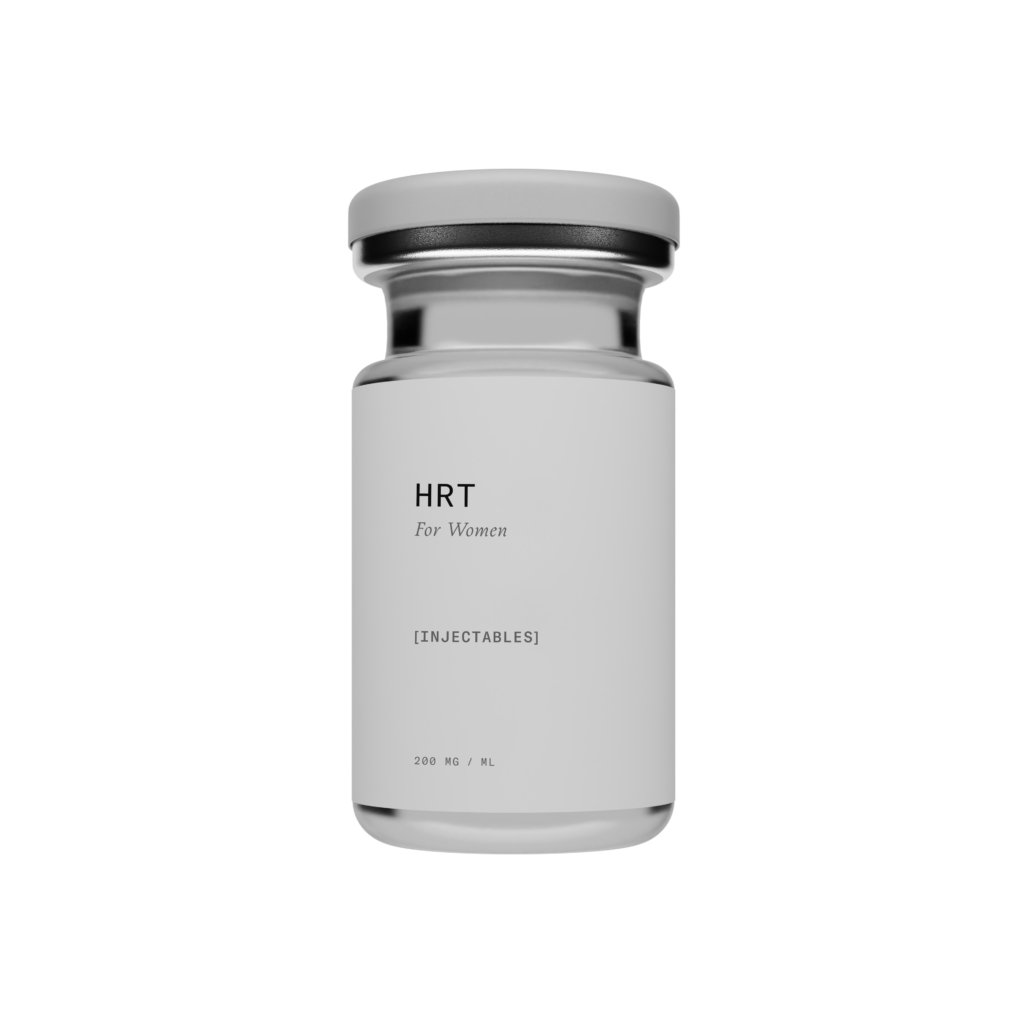
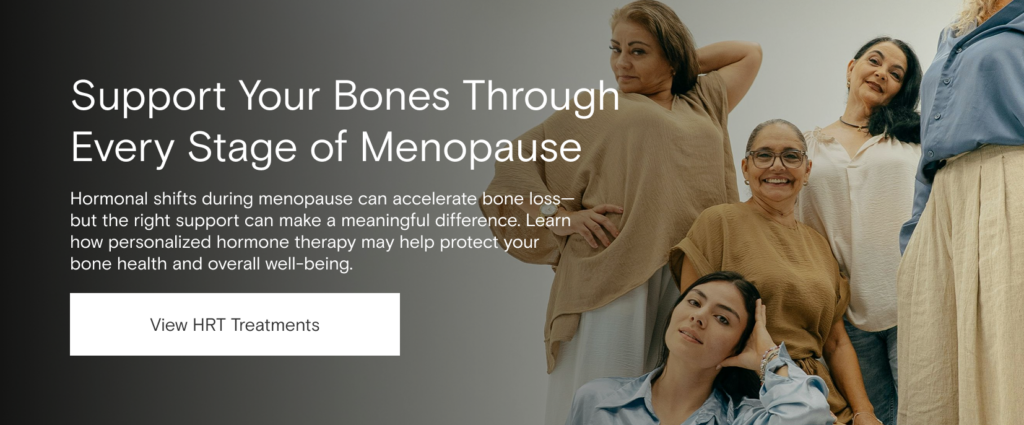
Hormone Replacement Therapy is one of the most studied interventions for protecting bone health in menopausal women.
Estrogen plays a direct role in regulating bone turnover by slowing the activity of osteoclasts, the cells responsible for breaking down bone tissue. When estrogen levels decline during menopause, this protective effect is lost, leading to accelerated bone loss and increased fracture risk.
Early real world data presented at the 2026 American Academy of Orthopaedic Surgeons Annual Meeting found that women who initiated hormone replacement therapy within one year of menopause had a significantly lower risk of developing osteoporosis and experienced up to a 13 percent reduction in fracture risk compared with women who did not use HRT (2).
Recent research continues to reinforce the role hormone therapy can play in protecting bone health. A 2025 systematic review evaluating the comparative effects of hormone replacement therapy and exercise in postmenopausal women found that HRT significantly improves bone mineral density and remains one of the most effective interventions for slowing bone loss during the menopausal transition (1).
While estrogen receives most of the attention in menopause related bone health, other hormones also contribute to skeletal integrity. Testosterone plays an important role in bone metabolism in both men and women. Research shows that testosterone can directly stimulate bone forming cells called osteoblasts through activation of androgen receptors, helping support bone formation and remodeling (3).
Testosterone also influences bone health indirectly through interactions with growth factors, cytokines, and conversion to estradiol via aromatization, which further contributes to maintaining bone density (4). Studies in postmenopausal women have shown that lower testosterone levels are associated with reduced bone mineral density, while higher levels may help preserve bone mass and reduce osteoporosis risk later in life (5).
Because bone is a dynamic tissue that responds to multiple hormonal signals, a comprehensive approach to hormone optimization may support skeletal health during the menopausal transition. When clinically appropriate, addressing estrogen and testosterone levels together can help support bone density, muscle mass, and overall musculoskeletal health.
Research suggests hormone therapy may help:
• Reduce bone turnover
• Preserve bone mineral density
• Lower the long term risk of osteoporosis
• Support muscle mass that stabilizes the skeleton
• Reduce fracture risk over time
For many women experiencing symptoms of perimenopause or menopause, hormone therapy can be an important component of a broader longevity strategy. In addition to protecting bone health, hormone therapy may also support metabolic health, sleep, cognitive function, and overall quality of life.
At Joi + Blokes, hormone therapy is personalized based on symptoms, laboratory data, medical history, and long term health goals.
Movement Still Matters for Bone Strength
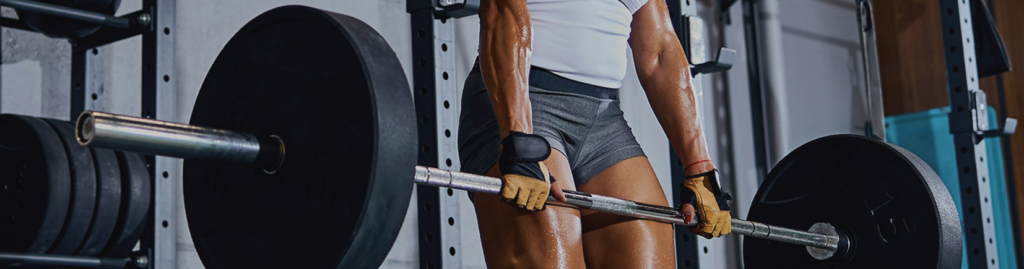
While hormones play a critical role in bone protection, mechanical load also plays an important part in maintaining bone density. Bones respond to stress by becoming stronger, which is why weight-bearing and resistance-based exercise are key strategies for supporting skeletal health. Activities such as strength training, walking, hiking, and bodyweight exercises help stimulate bone remodeling and maintain musculoskeletal strength.
One simple and accessible way to add load to everyday movement is rucking, which involves walking with a weighted backpack or vest. We are excited to partner with GORUCK, a company that has helped popularize rucking as a practical form of functional fitness. By adding weight to a normal walk, rucking can help stimulate bone-building activity while also strengthening the muscles that support the skeleton and improving endurance.
Use code JOIBLOKES25 for 25% off!
Additional Lifestyle Strategies for Bone Health
While hormones and movement play central roles in bone protection, several other lifestyle factors support long-term skeletal health.
Adequate Protein Intake
Protein provides the building blocks necessary for both bone and muscle health.
Vitamin D
Vitamin D supports calcium absorption and plays an essential role in bone metabolism.
Mineral Support
Calcium, magnesium, and trace minerals contribute to bone structure and strength.
Maintaining Muscle Mass
Muscle helps stabilize joints, support posture, and reduce the risk of falls and injury.
Consistent Movement
Regular physical activity stimulates bone remodeling and helps slow bone loss over time.
A Proactive Approach to Longevity
Bone health is about far more than preventing fractures. It is about preserving the ability to move confidently, remain active, and maintain independence throughout life.
Perimenopause and menopause represent a time of biological change, but they also offer an opportunity to take a more proactive approach to long-term health. Research continues to show that hormone therapy, when appropriately prescribed, can play a meaningful role in protecting bone density during this transition.
By combining hormonal support, resistance-based exercise, load-bearing movement, and proper nutrition, women can build a foundation for strong bones that lasts well into the future.
At Joi + Blokes, our mission is to provide the education, medical guidance, and lifestyle strategies that empower women to thrive through every stage of life.

Works cited:
- Treviño M, Leiker P, Palnati SR, Bhakta S. Comparative Effects of Hormone Replacement Therapy and Exercise on Bone Health in Postmenopausal Women: A Systematic Review. Cureus. 2025 Dec 14;17(12):e99210. doi: 10.7759/cureus.99210. PMID: 41536367; PMCID: PMC12799281.
- Barsi J et al. Early Hormone Replacement Therapy and Long Term Bone Health in Postmenopausal Women: A Real World Propensity Matched Study. Presented at the American Academy of Orthopaedic Surgeons Annual Meeting. 2026.
- Yang J, Kong G, Yao X, Zhu Z. Association between Serum Total Testosterone Level and Bone Mineral Density in Middle-Aged Postmenopausal Women. Int J Endocrinol. 2022 Aug 17;2022:4228740. doi: 10.1155/2022/4228740. PMID: 36034179; PMCID: PMC9402345.
- Clarke BL, Khosla S. Androgens and bone. Steroids. 2009 Mar;74(3):296-305. doi: 10.1016/j.steroids.2008.10.003. Epub 2008 Oct 17. PMID: 18992761; PMCID: PMC2679948.
- Zhang H, Ma K, Li RM, et al. Association between testosterone levels and bone mineral density in females aged 40–60 years from NHANES 2011–2016. Scientific Reports. 2022;12:16426. doi:10.1038/s41598-022-21008-7